



Learn More: GMP First Utility Provider to Receive B Corp Certification
Green Mountain Power Deploys Vehicle-to-Grid Charger
Green Mountain Power (GMP) announced the successful deployment of a first-of-its kind vehicle-to-grid charger to reduce energy use on the grid during peak demand.
December 21, 2020
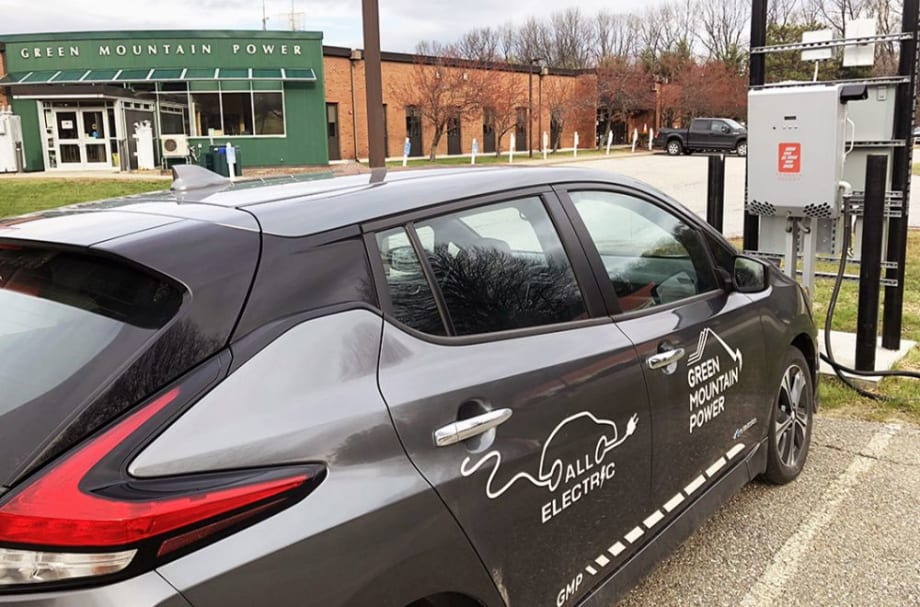
Photo: Green Mountain Power
3 min to read
Green Mountain Power (GMP) announced the successful deployment of a first-of-its kind vehicle-to-grid charger to reduce energy use on the grid during peak demand. GMP is the first utility to install and successfully integrate this new charger technology with the grid and one of its electric fleet vehicles to draw energy from the car to help lower demands on the grid when peaks in energy needs occur, according to the utility. This innovative work shows how electric vehicles (EVs) and the clean energy they store can become a reliable source of power to reduce peak demands which will in turn save money and reduce carbon.
“This is an important first-step in proving that vehicle-to-grid technology is possible. GMP has long committed to using advancements in energy technology to increase clean energy storage capabilities so that we can deploy that power when it’s needed most to reduce carbon and costs for all customers,” said Mari McClure, GMP’s President and CEO.
GMP installed a bi-directional Fermata EV charger at its Colchester, Vt., office in October. The charger is now drawing energy from the Company’s 2019 Nissan Leaf during energy peaks. The vehicle is regularly used by employees, charges at the GMP office, and has seamlessly joined GMP’s growing network of stored energy. In addition, GMP has stored energy in home batteries like Tesla’s Powerwalls. For context, the Nissan EV battery holds about four times as much energy as one Powerwall showing great promise in the amount of energy storage that can be achieved using vehicles, especially as more and more Vermonters make the switch to EVs.
This work is an example of what is known as “vehicle-to-grid” or V2G energy sharing. V2G technology has long been viewed as an important part of a cleaner, more resilient energy system. The energy sharing helps reduce demand on the grid during energy peaks, when power can be most expensive and carbon intensive for customers. This successful launch shows how V2G can work in the real world to reduce costs and carbon for Vermonters while still ensuring individuals have ample battery charge in their vehicles to meet transportation needs.
McClure emphasized this work as part of a much broader strategy that has delivered on the Company’s clean energy goals and commitment to keeping costs in check, “In 2020 alone, we estimate that GMP and its customers have stored and dispatched 6.7 gigawatt-hours of energy, equivalent to powering 550 homes for a full year. We have been able to shave peak demand this year by 177 megawatts, reducing $3.2 million in costs for customers and reducing carbon by about 6.8 million pounds, which is like taking 660 gas powered cars off the road for one year.”
“This is an exciting example of how electric vehicles can help transform the grid. Transportation is the top cause of carbon pollution in our state, so shifting to electric vehicles is one of the most important things we can do. We see this innovative work that GMP is doing as yet another way to harness the many benefits that driving electric offers to Vermont and Vermonters,” said Jared Duval, executive director of Energy Action Network.
Virtual Peaker, which grew in GMP’s incubator Inspire Space four years ago, makes the software platform that GMP will be using to integrate the charger and dispatch the battery during energy peaks. Virtual Peaker’s software is already used by the Company to manage other devices like Powerwalls. GMP also partnered with Fermata Energy on this project, whose charger technology showed great promise in early research testing.
“GMP is the first utility dispatching power directly to their distribution grid leveraging V2G technology integrated with a Demand Response Management System (DERMS) software platform. Together, this work is helping GMP reduce system-wide peaks to save GMP customers money,” said David Slutzky, founder & CEO of Fermata Energy.
Topics:Charging InfrastructureUtility FleetsGreen Mountain PowerVehicle-to-GridElectric VehiclesCharging
Originally posted on Work Truck Online
More Electric Vehicles
EV Charging Use Is Outpacing Infrastructure Growth
ChargePoint’s 2026 Charging Forward Report points to rising charger use, higher-powered charging, commercial vehicle electrification, and energy-management technology. Here’s what fleets should know.
Read More →
EV Realty Names Henrik Holland President as Charging Platform Expands
The former Prologis Mobility and Shell executive will help expand EV Realty’s truck charging business and move its power-first infrastructure model into autonomous vehicle depots and other fleet sectors.
Read More →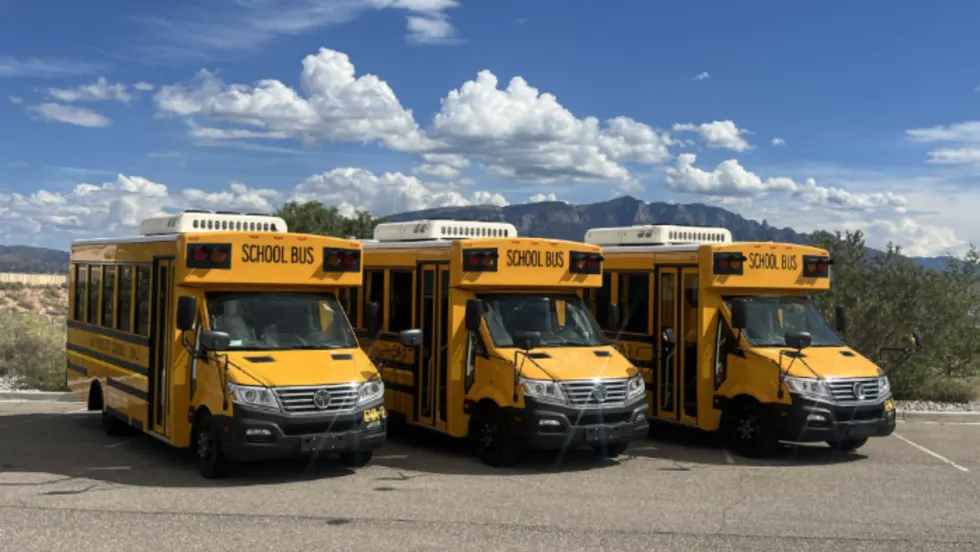
GreenPower Expands New Mexico EV Pilot With Larger Buses, V2G Testing
After logging more than 17,000 electric miles in the first year, New Mexico’s statewide pilot is moving into its second phase with larger vehicles, continued charging evaluations, and more.
Read More →
Can EV-as-a-Service Help Fleets Scale Electrification?
Sustainability Partners CEO Adam Cain explains how matching EVs, charging infrastructure, and duty cycles can help fleets scale electrification.
Read More →
How EV-as-a-Service Is Moving Fleets Beyond Pilots
Adam Cain, president and CEO of Sustainability Partners, explains how EV-as-a-service can help fleets scale deployments by addressing duty-cycle requirements and charging challenges.
Read More →
PowerFlex, The Mobility House Join Forces to Advance Fleet Electrification
Two EV charging providers are joining forces to deliver a broader portfolio of energy management and fleet electrification solutions.
Read More →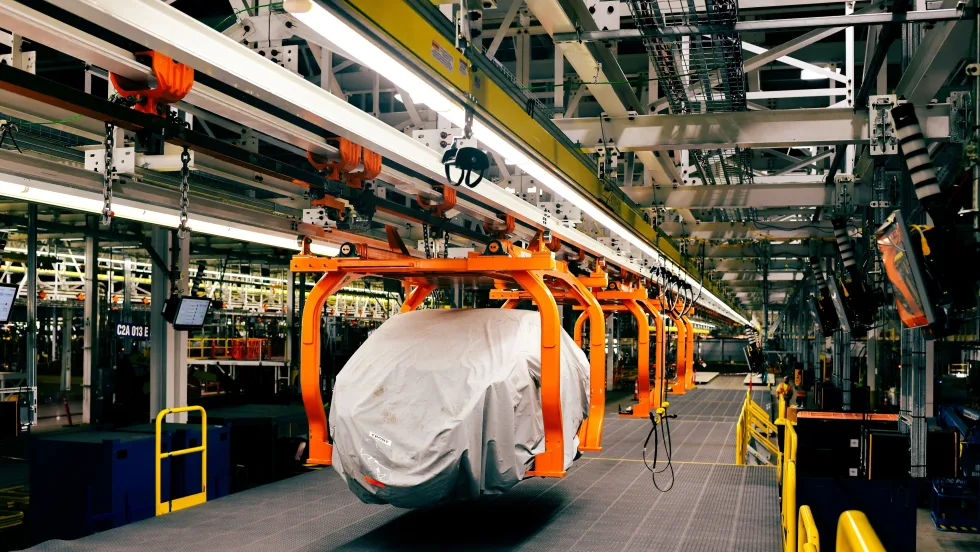
Ford Retools Louisville Plant for Fathom Electric Truck Production
Ford's $2 billion Louisville Assembly Plant overhaul introduces a three-part assembly process for the Fathom midsize electric truck, with production scheduled to begin in 2027.
Read More →
Merchants Fleet Reports 290M EV Miles as Fleets Navigate Changing Electrification Market
From millions in operating savings to hundreds of millions of EV miles, Merchants Fleet’s latest report reveals what’s working and what’s changing in fleet electrification.
Read More →
California District Commits to Electrify 25% of School Bus Fleet by 2028
One of the nation's largest school bus electrification projects to date demonstrates how grants, charging infrastructure, and public-private partnerships can help fleets transition to EVs at scale.
Read More →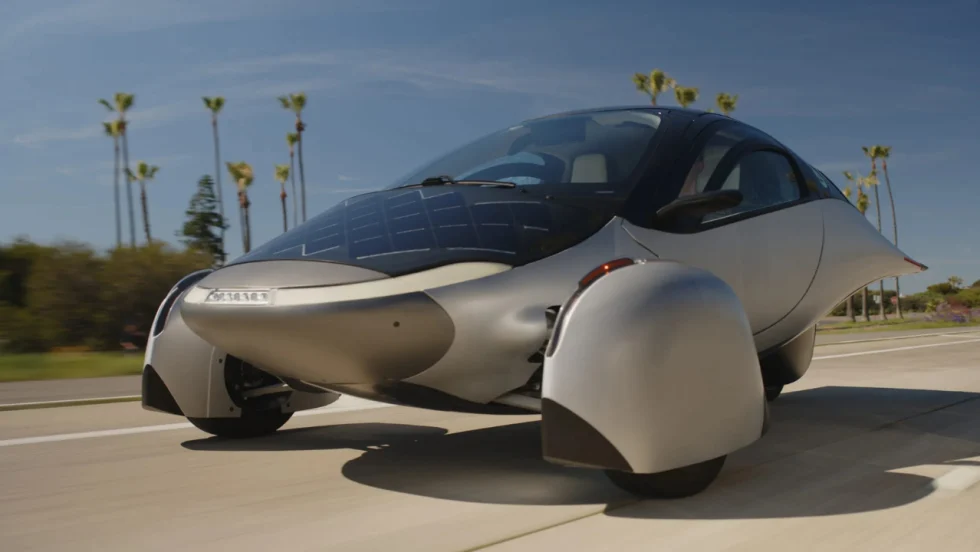
Aptera Orders Bodies and Chassis for Its First 40 Production Vehicles
Aptera Motors Corp. has issued purchase orders for the major structural components of its first 40 vehicles, and body and chassis components are expected to begin arriving in October.
Read More →