



Related: California EV Market Remains Steady Despite National Decline
Gov. Newsom Issues Order to Ban New Gas Car Sales in Calif. by 2035
The order requires all new passenger vehicles to be zero-emission in 15 years, though it would not prevent Californians from owning gasoline-powered cars or selling them on the used car market.
September 23, 2020

Although the order would require new cars to be zero-emission, it would not prevent Californians from owning gasoline-powered cars or selling them on the used car market.
Screenshot via YouTube.
2 min to read
California Gov. Gavin Newsom today issued an executive order requiring the sale of all new passenger vehicles to be zero-emission by 2035. Although the order would require new cars to be zero-emission, it would not prevent Californians from owning gasoline-powered cars or selling them on the used car market.
Transportation accounts for more than half of the state's carbon emissions, Newsom said. He estimates this executive order would result in a 35% drop in greenhouse gas emissions in the state.
“This is the most impactful step our state can take to fight climate change,” Newsom said in a televised statement. “For too many decades, we have allowed cars to pollute the air that our children and families breathe. You deserve to have a car that doesn’t give your kids asthma. Our cars shouldn’t make wildfires worse – and create more days filled with smoky air. Cars shouldn’t melt glaciers or raise sea levels threatening our cherished beaches and coastlines.”
Regarding medium- and heavy-duty vehicles, Newsom mentioned the California Air Resources Board directive issued in June that every new truck sold in California to be zero-emission by 2045 “where possible.”
As the initiative was put forth by executive order, it is likely to be challenged both legally and politically.
Among many challenges, the Trump administration has previously tried to bar California from setting auto emission standards that are different from the country's standards.
Originally posted on Automotive Fleet
More Legal/Legislative
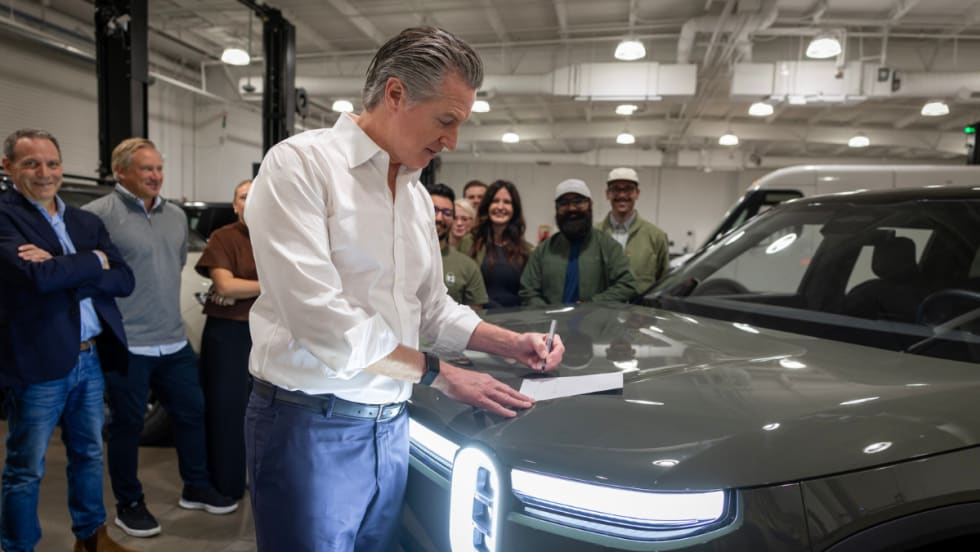
California Governor Approves Instant ZEV Rebates For First-Time Buyers
That instant rebate is the centerpiece of a broader $600 million package Governor Newsom signed into law, keeping California active in the global clean transportation race.
Read More →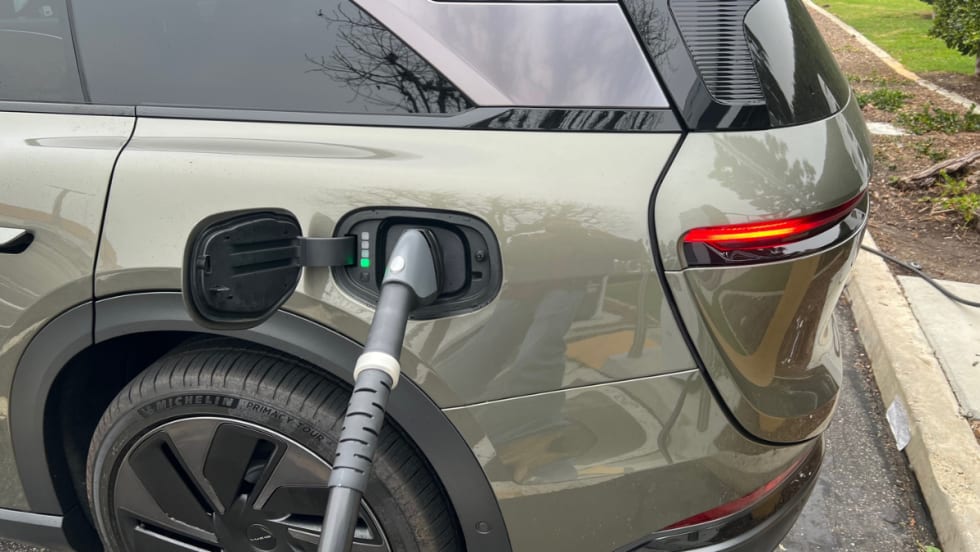
Used EVs Set Wholesale Sales Record In Q1
Rising gas prices may have boosted demand last month, as dealers pursued potential opportunities with more affordable used EVs.
Read More →
OEMS Expose Overdue EV Truths
Recent announcements from two automakers underscore a significant shift in the electric vehicle market, driven by EV losses and changing strategies. [VIDEO}
Read More →
The Freedom Era For Electric Vehicles
Season 2 Episode 1 of The Off-Peak premieres as the electric vehicle market no longer benefits from federal tax credits that expired at the end of Q3 2024. What does this mean for the future appeal of EVs?
Read More →
New Research Shows Renewed Potential And Tolerance For EVs
A new EV consumer survey finds partisan resistance is easing, but concerns around cost, incentives, and charging access still shape buyer interest.
Read More →
2025 Generated Big Headlines In The EV World
The EV industry entered a new more nuanced phase defined by realities and practical outcomes after a few years of grand visions, media hype, and bold investments.
Read More →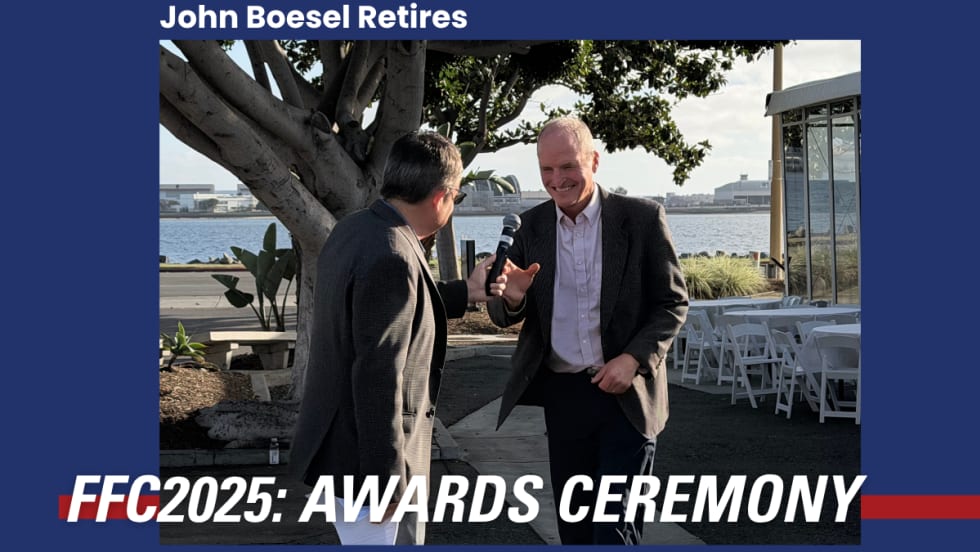
John Boesel Recognized at 2025 Fleet Forward Conference
Bobit recognized John Boesel, CEO of Calstart, who is retiring after over three decades of service.
Read More →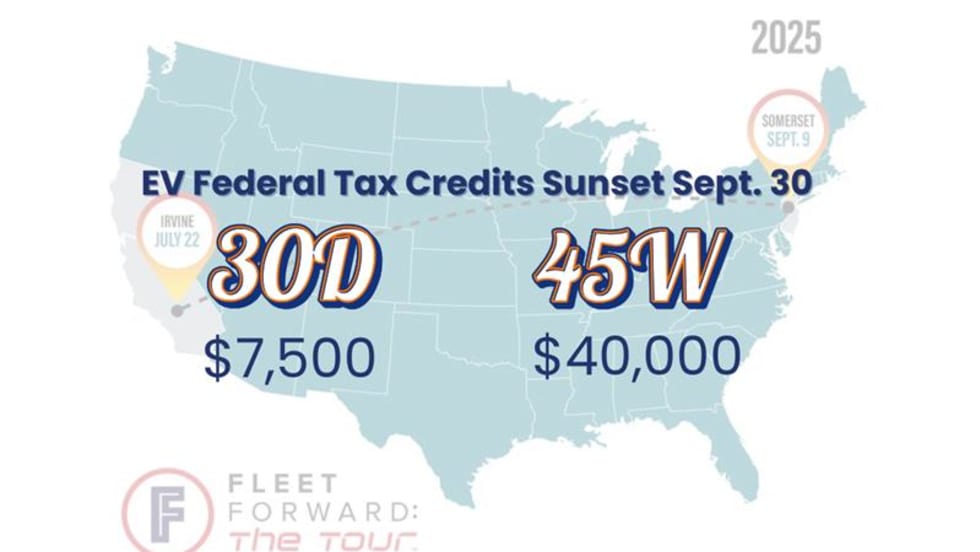
Final Push for Federal EV Incentives Highlighted at Fleet Forward Tour NJ Stop
Fleet managers in the Northeast will have a timely opportunity to take action on electric vehicle purchases at the upcoming Fleet Forward Tour stop in Somerset, NJ, on Sept. 9.
Read More →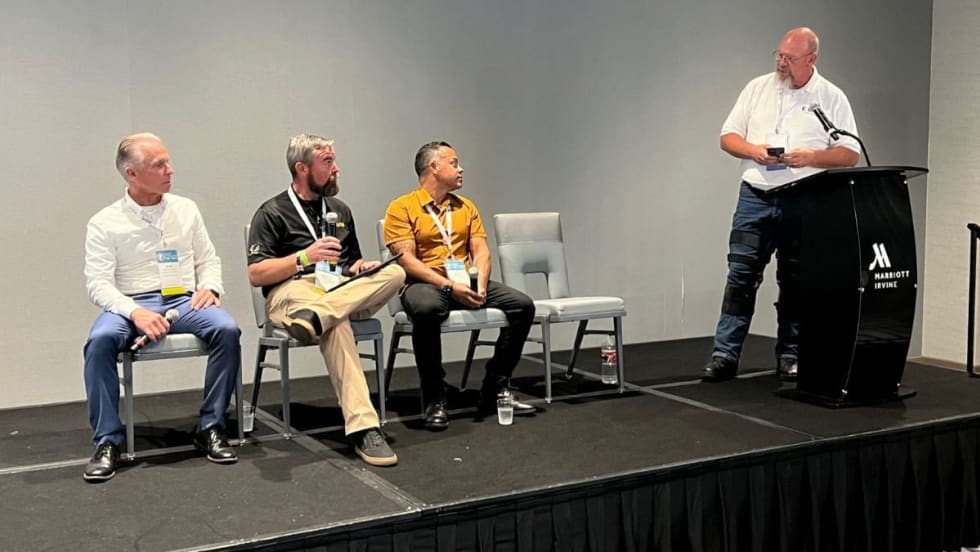
Latest Hard Realities, Top Pressures For Electric Fleets
Speakers and experts at Fleet Forward: The Tour shared hands-on, hard-won insights on how fleet operations are handling tariffs, EV charging, rules and regs, and safety issues.
Read More →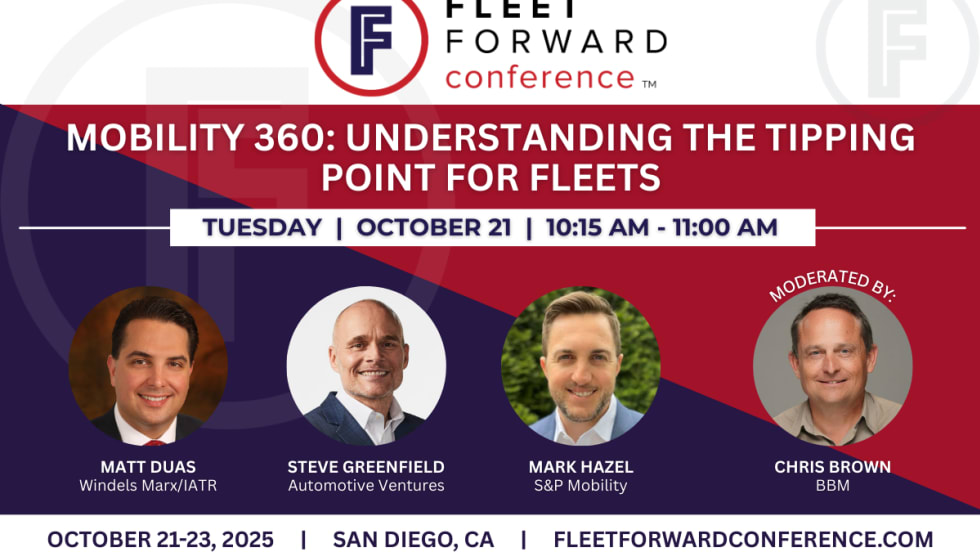
Mobility 360 Panel to Define the Fleet Industry’s Next Tipping Point
At the 2025 Fleet Forward Conference, experts in capital, policy, and data will assess which trends are transforming fleet.
Read More →