


Fisker Releases Name of Electric Luxury SUV
Early reservations for the all-electric luxury SUV will be open as the mobile app launches on Nov. 27.
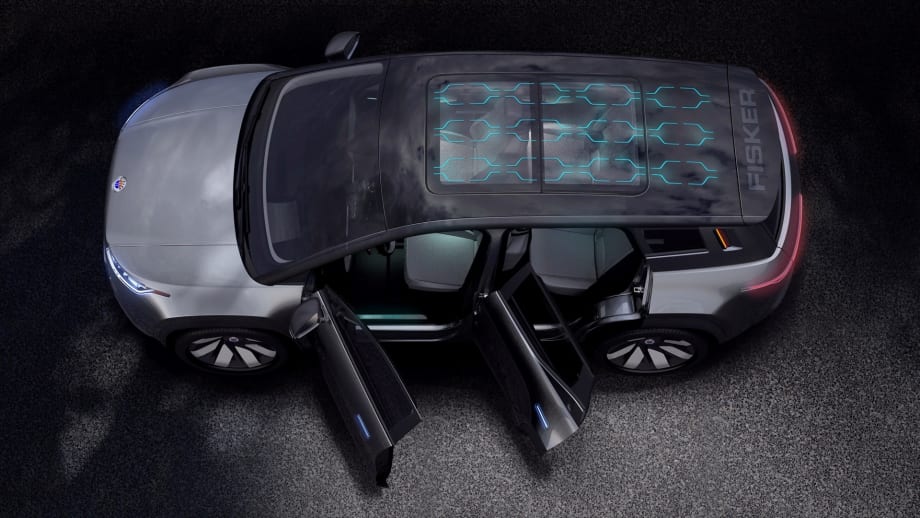
Designed in California by iconic automotive designer, entrepreneur, and visionary, Henrik Fisker, the Fisker Ocean will be the world’s most sustainable vehicle – featuring recycled, vegan, and more innovative materials, according to the company.
Photo via Fisker.
Fisker — designer and manufacturer of electric vehicles and advanced mobility solutions — has revealed the name of its upcoming all-electric luxury sports utility vehicle: Fisker Ocean.
Designed in California by iconic automotive designer, entrepreneur, and visionary, Henrik Fisker, the Fisker Ocean will be the world’s most sustainable vehicle – featuring recycled, vegan, and more innovative materials, according to the company.
Fisker has skipped the standard automotive process of making a show car and will instead reveal a fully running production intent prototype sitting on the actual, completely engineered platform on Jan. 4. The unveiling will take place during a private event, which will be live streamed online.
Early reservations for the all-electric luxury SUV will be open as the mobile app launches on Nov. 27. Further details, including pricing, will be released on that date.
At 4,640 mm in length, the Fisker Ocean is designed for optimal space and usability. Focus has been made on optimizing efficiency throughout the design, including a fixed hood that avoids costly sealing and latches, as well as saves weight. The room under the hood has been optimized for housing new-age electronics and the air conditioning unit.
Features:
Full-length solar roof: Supporting the car's electric power source, boosting fuel efficiency and lowering carbon dioxide emissions which will result in 1,000 free, clean miles per year. As the technology evolves, Fisker will feature integrated hardware solutions for better energy yields and more free, clean miles per year.
Fully recycled carpeting: Made from regenerated nylon, which is made from abandoned fishing net waste – pulled from the oceans and aquaculture.
Vegan interior: 100% Polycarbonate Polyurethane surfaces and 100% reinforced Rayon backing; Meets stringent chemical emission limits for various VOCs (such as Formaldehyde).
Eco-suede: Interior textures and patterns derived from polyester fibers (T-shirts, fibers) and recycled bottles, plastic, etc. Recycling polyester means reducing energy consumption and CO2 emissions into the atmosphere by 80% compared to the traditional petrol-based polyester production process. Eco-sustainability, as well as the lowest levels of polluting emissions and energy consumption, are guaranteed throughout the whole production cycle.
Repurposing rubber waste: Fisker will utilize discarded rubber waste generated during tire manufacturing that will no longer be dumped in landfills. Recycling saves impressive amounts of energy, which ultimately reduces greenhouse gas emissions.
All-electric SUV range: The all-electric SUV will come standard with an extended range (target of approximately 250 to 300 miles, depending on driving conditions), enabled by an approximately 80 kWh lithium-ion battery pack.
Originally posted on Automotive Fleet
More Electric Vehicles

EV Charging Use Is Outpacing Infrastructure Growth
ChargePoint’s 2026 Charging Forward Report points to rising charger use, higher-powered charging, commercial vehicle electrification, and energy-management technology. Here’s what fleets should know.
Read More →
EV Realty Names Henrik Holland President as Charging Platform Expands
The former Prologis Mobility and Shell executive will help expand EV Realty’s truck charging business and move its power-first infrastructure model into autonomous vehicle depots and other fleet sectors.
Read More →
GreenPower Expands New Mexico EV Pilot With Larger Buses, V2G Testing
After logging more than 17,000 electric miles in the first year, New Mexico’s statewide pilot is moving into its second phase with larger vehicles, continued charging evaluations, and more.
Read More →
Can EV-as-a-Service Help Fleets Scale Electrification?
Sustainability Partners CEO Adam Cain explains how matching EVs, charging infrastructure, and duty cycles can help fleets scale electrification.
Read More →
How EV-as-a-Service Is Moving Fleets Beyond Pilots
Adam Cain, president and CEO of Sustainability Partners, explains how EV-as-a-service can help fleets scale deployments by addressing duty-cycle requirements and charging challenges.
Read More →
PowerFlex, The Mobility House Join Forces to Advance Fleet Electrification
Two EV charging providers are joining forces to deliver a broader portfolio of energy management and fleet electrification solutions.
Read More →
Ford Retools Louisville Plant for Fathom Electric Truck Production
Ford's $2 billion Louisville Assembly Plant overhaul introduces a three-part assembly process for the Fathom midsize electric truck, with production scheduled to begin in 2027.
Read More →
Merchants Fleet Reports 290M EV Miles as Fleets Navigate Changing Electrification Market
From millions in operating savings to hundreds of millions of EV miles, Merchants Fleet’s latest report reveals what’s working and what’s changing in fleet electrification.
Read More →
California District Commits to Electrify 25% of School Bus Fleet by 2028
One of the nation's largest school bus electrification projects to date demonstrates how grants, charging infrastructure, and public-private partnerships can help fleets transition to EVs at scale.
Read More →
Aptera Orders Bodies and Chassis for Its First 40 Production Vehicles
Aptera Motors Corp. has issued purchase orders for the major structural components of its first 40 vehicles, and body and chassis components are expected to begin arriving in October.
Read More →