


Electric Vehicles Least Likely to Go Up in Smoke
Vehicle fires are a serious safety hazard but electric, hybrid, and gas vehicles pose different challenges.

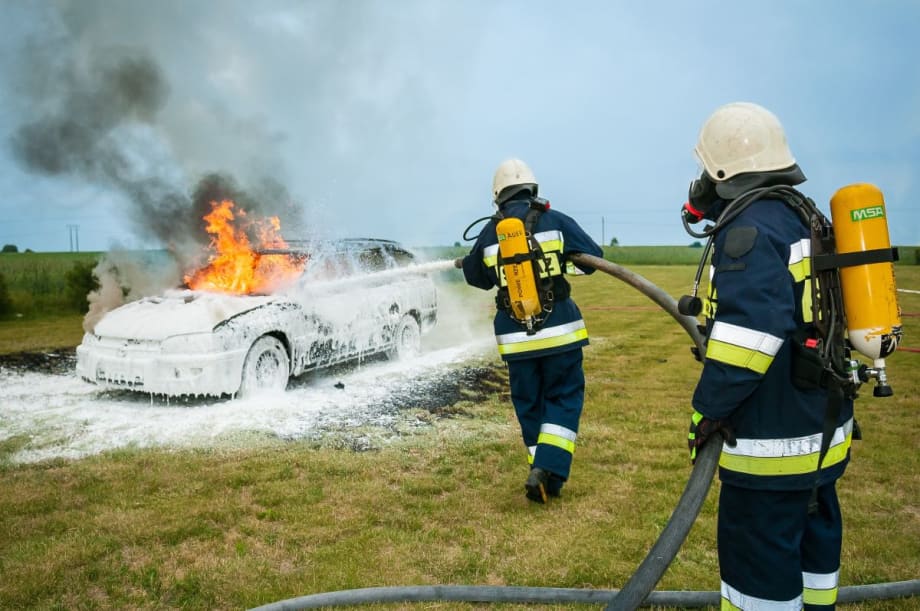
An estimated 560 people died in 2018 from car fires.
Photo via pexels.com/pixabay
Hybrid vehicles experience the most fires — 3,474 — per 100K sales, followed by gas vehicles with 1,530 and electric vehicles, with only 25 fires per 100K electric vehicle sales, according to a recent study from AutoinsuranceEZ.
Based on this data, electric vehicles don’t catch fire nearly as much as the news claims, notes the report. That said, recent safety recalls provide data on specific fire hazards linked to electric vehicles.
In 2020, both hybrid and electric vehicle recalls were all related to battery issues. This is a stark difference from the gas recalls, which were recalled for issues with fuel leaks, electrical shorts, and anti-lock braking systems (ABS).
An estimated 560 people died in 2018 from car fires, with most of these fatal fires caused by collisions, according to the National Fire Prevention Association. Car fires also caused an estimated $1.9 billion in property damage losses in the U.S., notes the report.
While all fires are dangerous, lithium-ion battery fires in electric cars are significantly harder to put out than gas fires, and most firefighters aren’t familiar with how to put out EV fires since electric cars are relatively new.
Electric car fires are harder to put out because the batteries can be very difficult to cool. Because of this, they can essentially ignite all by themselves because they are so hot. It can take up to an entire day for these batteries to cool down, so electric cars must be watched for a long time to ensure they don’t catch fire again.
But fleet drivers must be reminded to stay safe from all car fires. Experts offer the following advice:
Keep an eye out for are any rapid changes in fuel or oil levels, as well as any leaking oil or electrical problems. If you recently got an oil change, but notice spilled oil, that may be a risk.
If your car catches fire, you need to cut the ignition by turning it off and get out of there immediately. Don’t waste time getting personal items out; just get out as quickly as possible.
Go far away from the car so that you are safely distant from flames and smoke, and call 911.
To prevent your car from being a fire hazard, make sure to look for loose wires, leaking oil, and rapid changes in fuel and oil levels. Never forget to turn your car off and take the key out of the ignition when you pump gas.
Originally posted on Automotive Fleet
More Electric Vehicles
EV Charging Use Is Outpacing Infrastructure Growth
ChargePoint’s 2026 Charging Forward Report points to rising charger use, higher-powered charging, commercial vehicle electrification, and energy-management technology. Here’s what fleets should know.
Read More →
EV Realty Names Henrik Holland President as Charging Platform Expands
The former Prologis Mobility and Shell executive will help expand EV Realty’s truck charging business and move its power-first infrastructure model into autonomous vehicle depots and other fleet sectors.
Read More →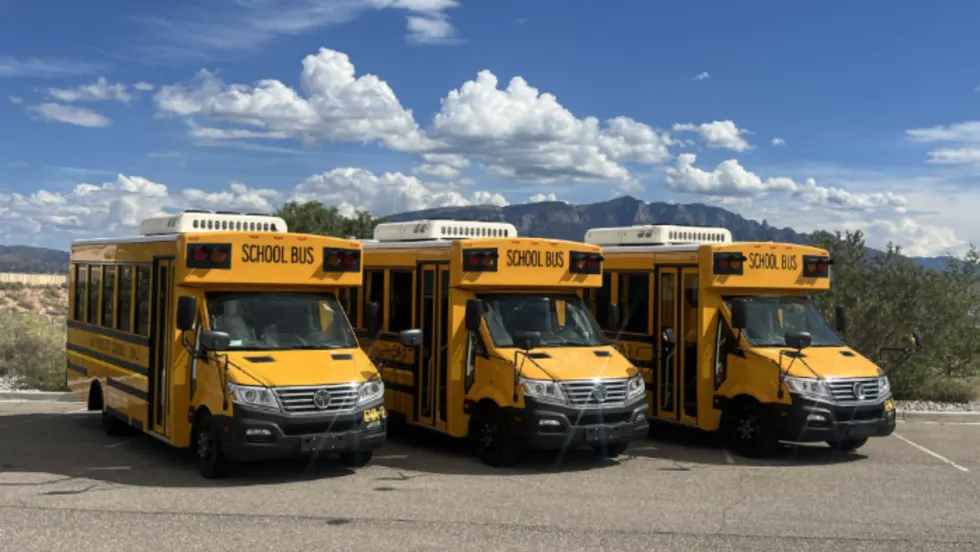
GreenPower Expands New Mexico EV Pilot With Larger Buses, V2G Testing
After logging more than 17,000 electric miles in the first year, New Mexico’s statewide pilot is moving into its second phase with larger vehicles, continued charging evaluations, and more.
Read More →
Can EV-as-a-Service Help Fleets Scale Electrification?
Sustainability Partners CEO Adam Cain explains how matching EVs, charging infrastructure, and duty cycles can help fleets scale electrification.
Read More →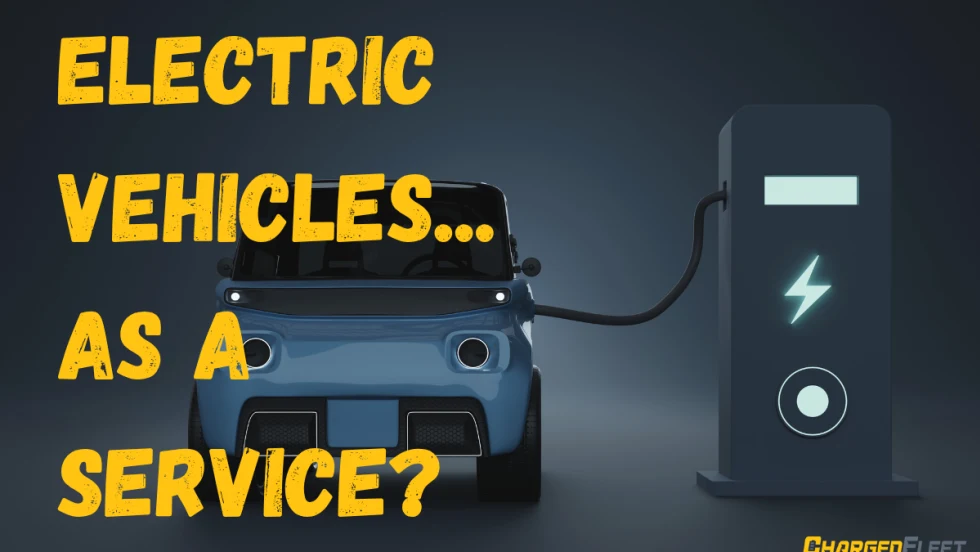
How EV-as-a-Service Is Moving Fleets Beyond Pilots
Adam Cain, president and CEO of Sustainability Partners, explains how EV-as-a-service can help fleets scale deployments by addressing duty-cycle requirements and charging challenges.
Read More →
PowerFlex, The Mobility House Join Forces to Advance Fleet Electrification
Two EV charging providers are joining forces to deliver a broader portfolio of energy management and fleet electrification solutions.
Read More →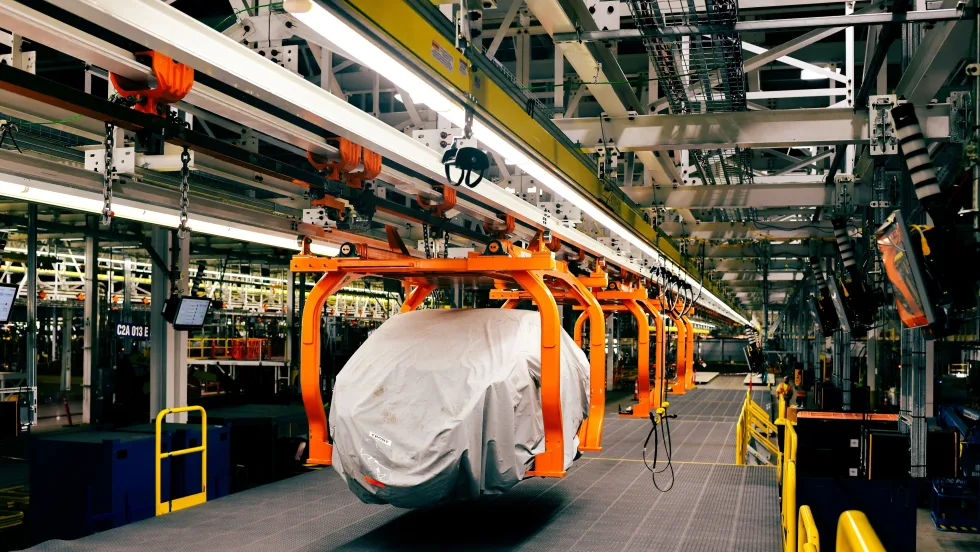
Ford Retools Louisville Plant for Fathom Electric Truck Production
Ford's $2 billion Louisville Assembly Plant overhaul introduces a three-part assembly process for the Fathom midsize electric truck, with production scheduled to begin in 2027.
Read More →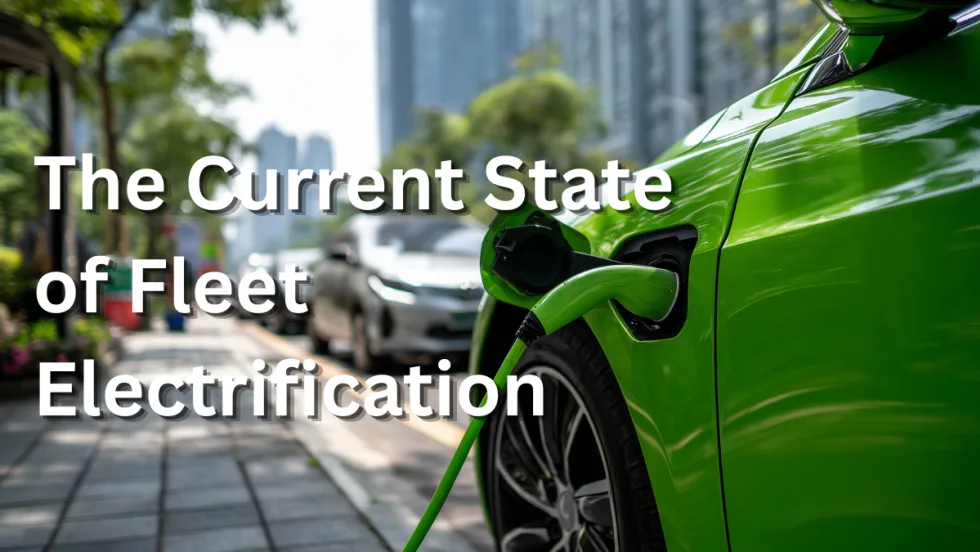
Merchants Fleet Reports 290M EV Miles as Fleets Navigate Changing Electrification Market
From millions in operating savings to hundreds of millions of EV miles, Merchants Fleet’s latest report reveals what’s working and what’s changing in fleet electrification.
Read More →
California District Commits to Electrify 25% of School Bus Fleet by 2028
One of the nation's largest school bus electrification projects to date demonstrates how grants, charging infrastructure, and public-private partnerships can help fleets transition to EVs at scale.
Read More →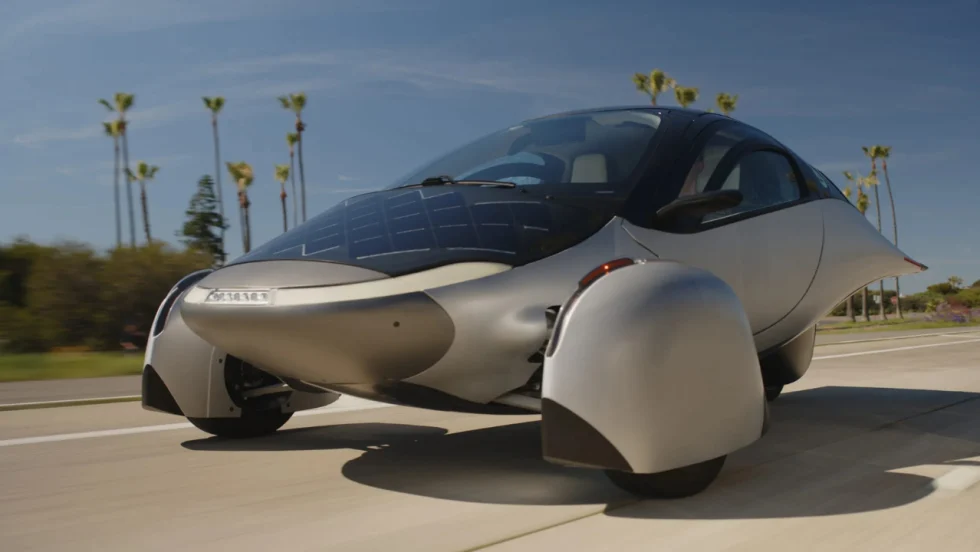
Aptera Orders Bodies and Chassis for Its First 40 Production Vehicles
Aptera Motors Corp. has issued purchase orders for the major structural components of its first 40 vehicles, and body and chassis components are expected to begin arriving in October.
Read More →