


Eight EV Automakers Step Up to Improve Post-Crash Safety
Six months ago, the National Transportation Safety Board recommended EV manufacturers clarify how to suppress a high-voltage lithium-ion battery fire after a crash. Several have done so while others are still in progress.

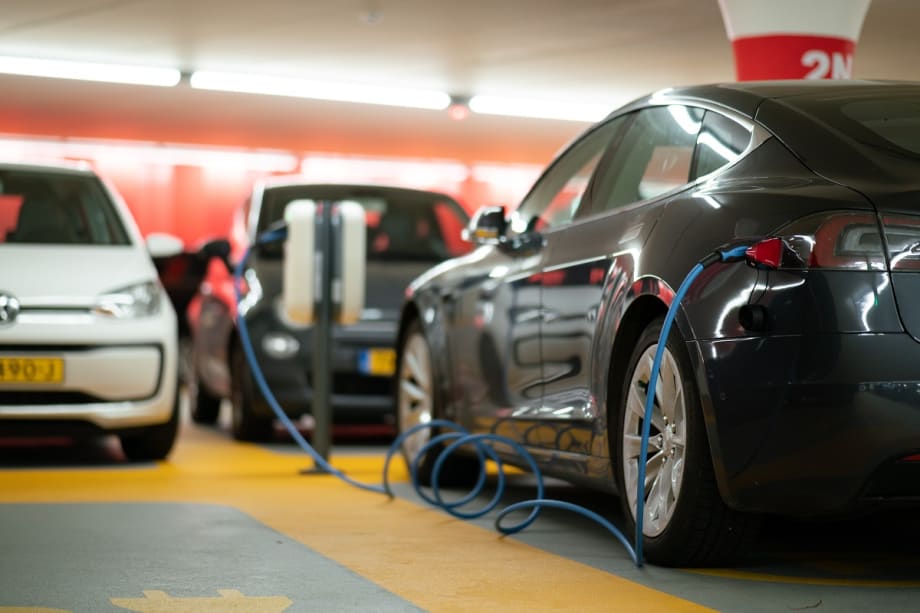
Electric vehicles bring with them different safety challenges than traditional vehicles such as fire risks associated with high-voltage lithium-ion batteries.
Photo: Unsplash.com/Michael Fousert
Eight out of 22 electric vehicle (EV) manufacturers have successfully completed actions to improve EV safety based on recommendations issued by the National Transportation Safety Board (NTSB) in January of this year.
Specifically, automakers Honda, Hyundai, Mitsubishi, Porsche, Proterra, Van Hool, Volkswagen, and Volvo have taken key steps to improve their emergency response guides and incorporate vehicle-specific information for fighting high-voltage lithium battery fires in their electric vehicles.
As more fleets begin to transition to EVs, there will be new safety challenges to understand and address. These latest NTSB recommendations were intended to save the lives of both first responders and EV crash victims. The objective of the recommendation was to get manufacturers to clarify how to suppress a high-voltage lithium-ion battery fire after a crash.
The recommendation came on the heels of a report issued by NTSB. The report identified two key safety issues. The first concern was the inadequate content of EV manufacturers’ emergency response guides. The second concern was about gaps in safety standards and research related to high-voltage lithium-ion batteries in high-speed, high-severity collisions.
The risks associated with fires in EVs powered by high-voltage lithium-ion batteries are significant. For starters, they can pose an electric shock to emergency responders. Moreover, damaged cells in the battery can experience thermal runaway — uncontrolled increases in temperature and pressure — which can lead to battery recognition/fire from the stranded energy that remains in a damaged battery.
Twelve additional manufacturers are making progress toward implementing the NTSB recommendations, according to the agency. These include BMW, BYD, Stellantis, Ford, General Motors, Gillig, Kia, Mercedes-Benz, Nissan, Subaru, Tesla, and Toyota. Two EV makers — Nova Bus Corporation and Karma Automotive — have yet to respond.
Originally posted on Automotive Fleet
More Electric Vehicles
PowerFlex, The Mobility House Join Forces to Advance Fleet Electrification
Two EV charging providers are joining forces to deliver a broader portfolio of energy management and fleet electrification solutions.
Read More →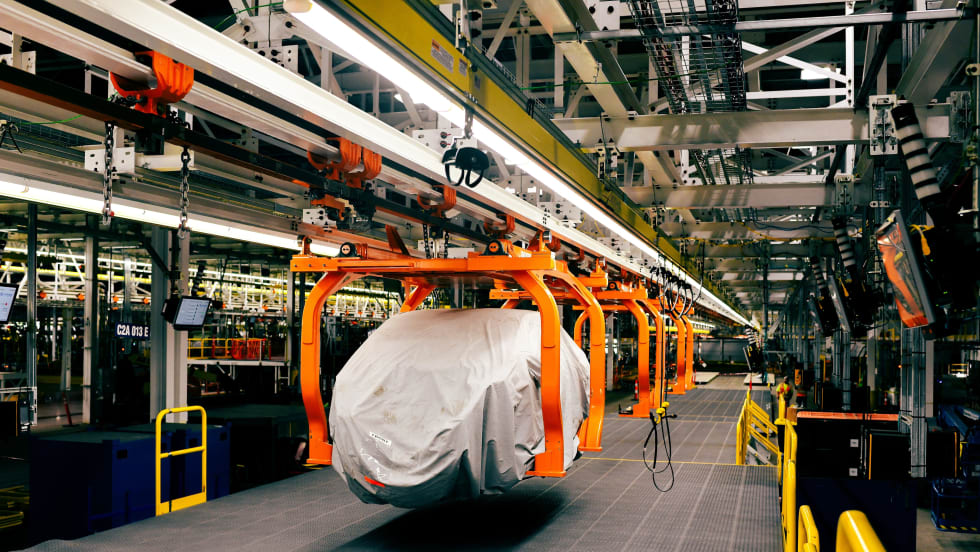
Ford Retools Louisville Plant for Fathom Electric Truck Production
Ford's $2 billion Louisville Assembly Plant overhaul introduces a three-part assembly process for the Fathom midsize electric truck, with production scheduled to begin in 2027.
Read More →
Merchants Fleet Reports 290M EV Miles as Fleets Navigate Changing Electrification Market
From millions in operating savings to hundreds of millions of EV miles, Merchants Fleet’s latest report reveals what’s working and what’s changing in fleet electrification.
Read More →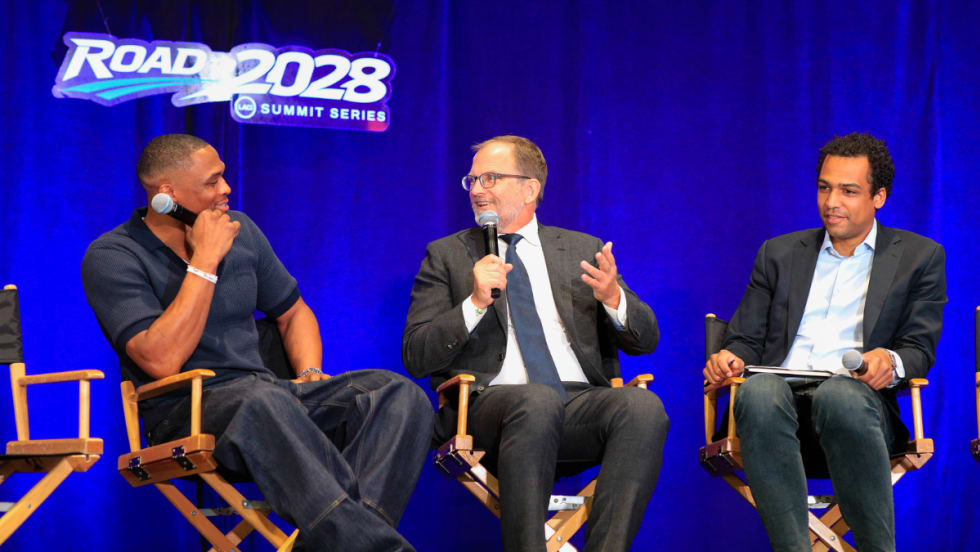
California District Commits to Electrify 25% of School Bus Fleet by 2028
One of the nation's largest school bus electrification projects to date demonstrates how grants, charging infrastructure, and public-private partnerships can help fleets transition to EVs at scale.
Read More →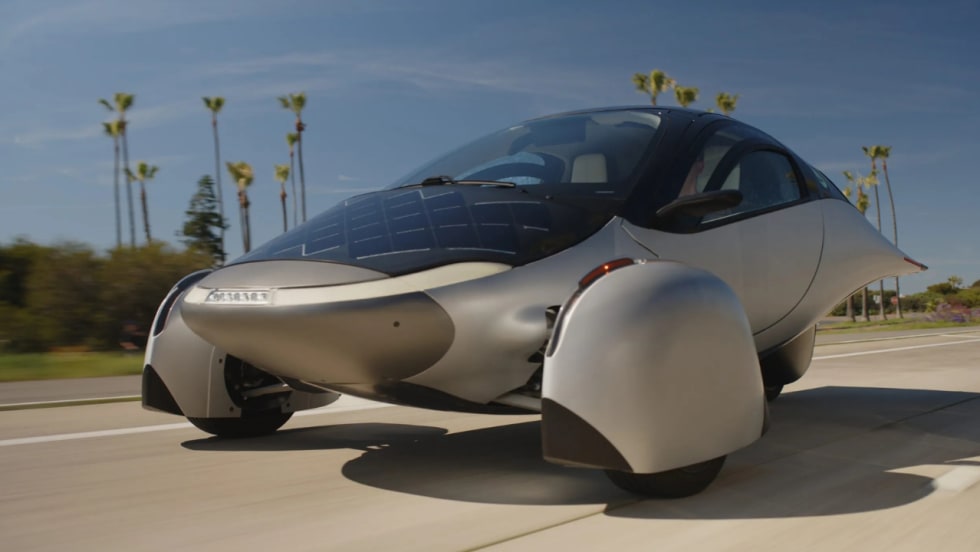
Aptera Orders Bodies and Chassis for Its First 40 Production Vehicles
Aptera Motors Corp. has issued purchase orders for the major structural components of its first 40 vehicles, and body and chassis components are expected to begin arriving in October.
Read More →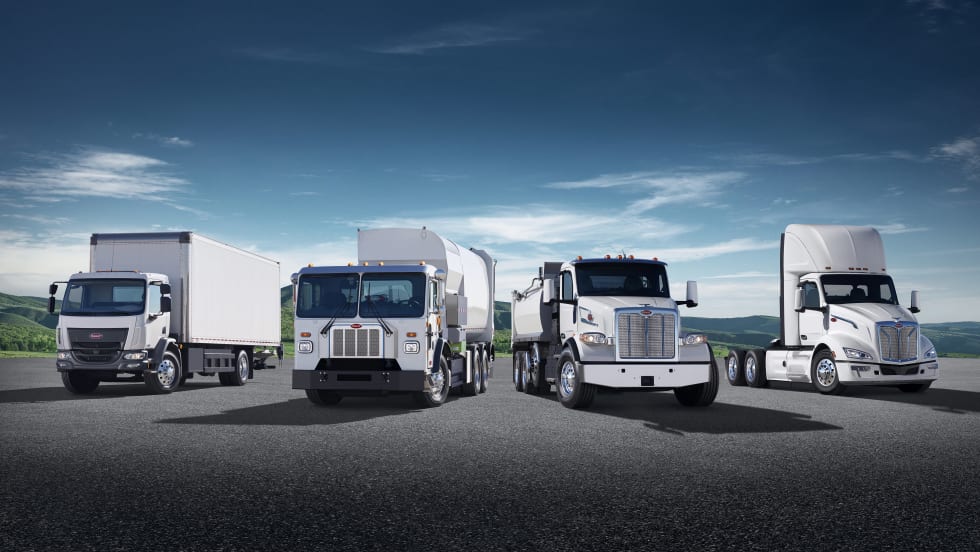
Peterbilt Expands Sourcewell Purchasing Agreement to Include Electric Trucks
The cooperative purchasing contract, now extended through July 2028, adds Peterbilt's battery-electric lineup for eligible government, education, nonprofit and tribal organizations.
Read More →
PITT OHIO Donates DC Fast Chargers to Community College of Allegheny County
The logistics company donated two 75-kW DC fast chargers to CCAC to support electric vehicle education and workforce training programs.
Read More →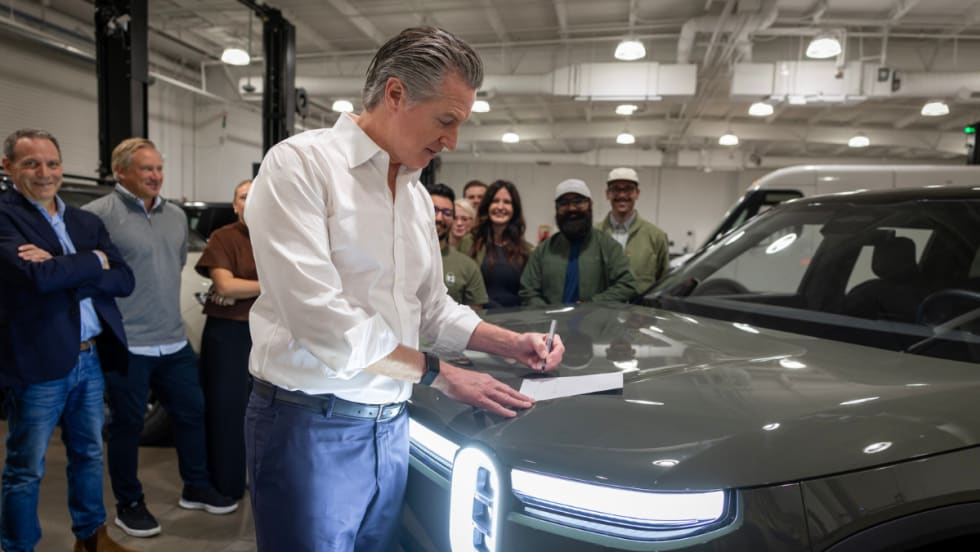
California Governor Approves Instant ZEV Rebates For First-Time Buyers
That instant rebate is the centerpiece of a broader $600 million package Governor Newsom signed into law, keeping California active in the global clean transportation race.
Read More →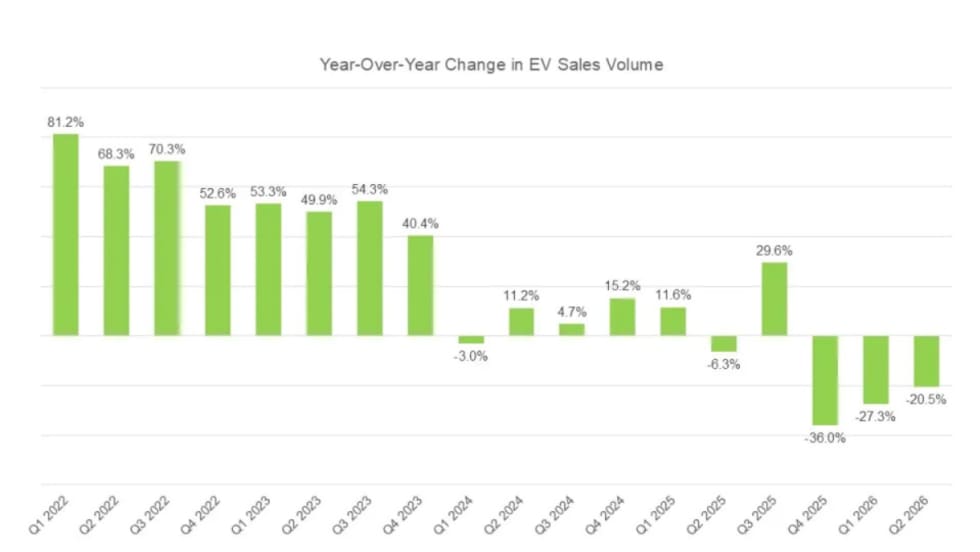
New Vehicle Models Stabilize Electrified Market In Q2
But more credit goes to hybrids than to all-electric vehicles, as more buyers look for fuel-efficient alternatives amid high gas prices.
Read More →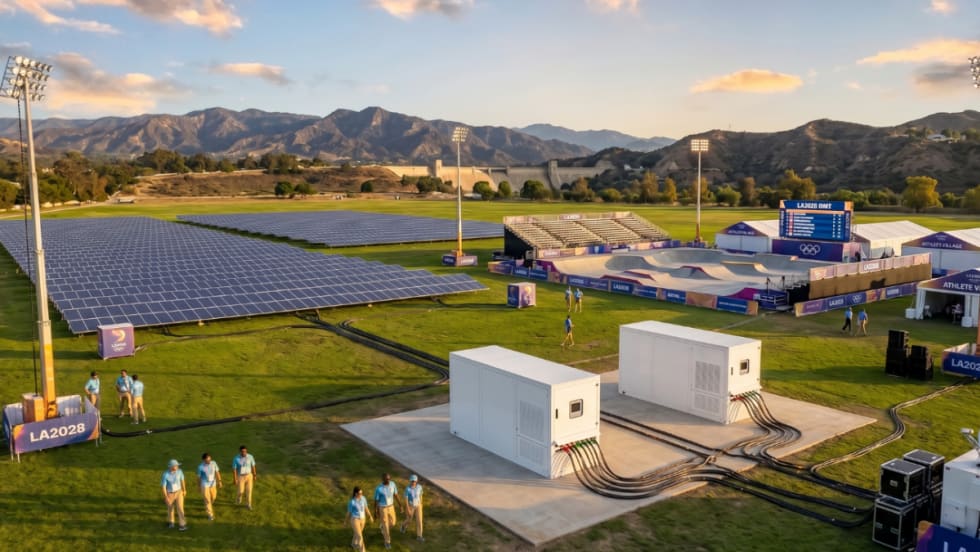
Xos White Paper Asserts LA Olympics Will Lack Enough EV Chargers
The commercial EV fleet company recommends some faster and more flexible remedies to relieve the anticipated shortfall.
Read More →