


Cruise Gets Calif. Permit to Test Autonomous Car without Safety Driver
San Franciscans can expect to see a fleet of Chevy Bolt EVs traverse the city with no humans before the end of the year.

How will driverless vehicles fare on San Francisco's notoriously crooked Lombard Street?
Photo via Wikimedia Commons/Ramgeis.
The California DMV has issued a permit to allow Cruise, General Motors’ autonomous technology division, to operate in the state without a backup driver, Cruise CEO Dan Ammann announced in a blog post today.
The autonomous vehicles will be electric Chevy Bolts. The testing will start “before the end of the year,” Ammann wrote.
Cruise originally intended to begin its fully driverless tests at the end of 2019 but delayed the rollout to further develop the safety technology. The California DMV, which administers the state’s driverless test program, allowed autonomous vehicle testing with safety operators since 2014. In 2018, it gave a permit for no-operator testing to Waymo, followed by AutoX, Nuro, and Zoox this year.
In the post, Ammann acknowledged the challenges of operating in San Francisco:
“… it’s where over two million miles of city testing will truly hit the road for the first time: an electric car, driving by itself, navigating one of the most difficult driving cities in the world.
And while it would be easier to do this in the suburbs, where driving is 30–40 times less complex, our cities are ground zero for the world’s transportation crisis. This is where accidents, pollution, congestion, and lack of accessibility collide. Often quite literally.”
Originally posted on Automotive Fleet
More Suppliers
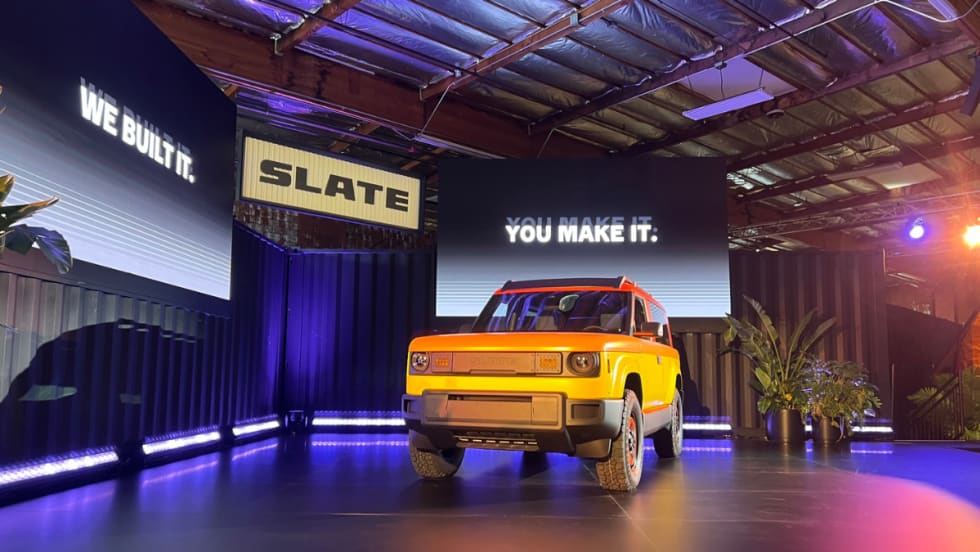
Slate Debuts Colorful, Unique EV Models
A recent media and client event, studded with electric vehicles dressed up on platforms, planted a new position for the manufacturer in the wider EV market. Fleets will find cost-saving advantages.
Read More →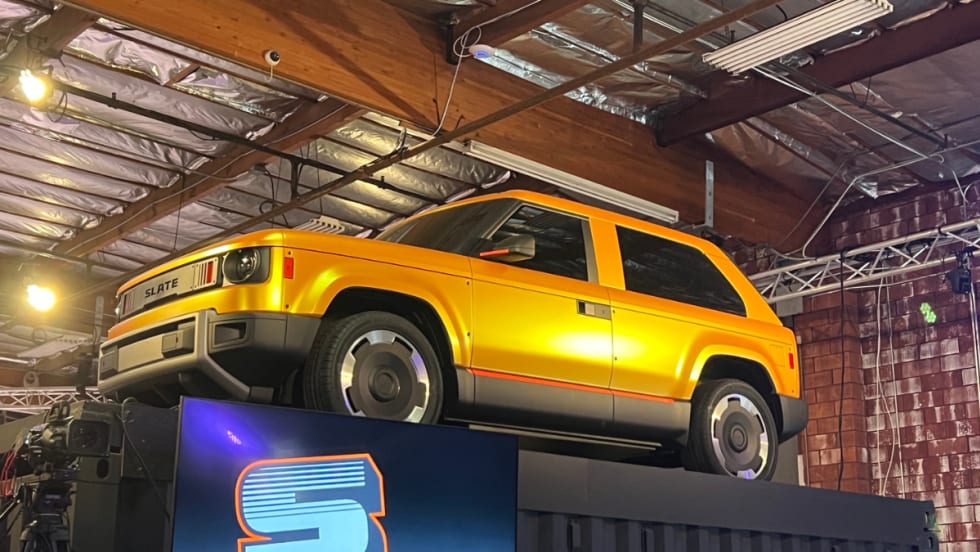
Slate Electric SUV, Pickup Switchable Model Aims For Light-Duty Fleets
Everything about this EV is counterintuitive and understated, making it stand out from the crowd.
Read More →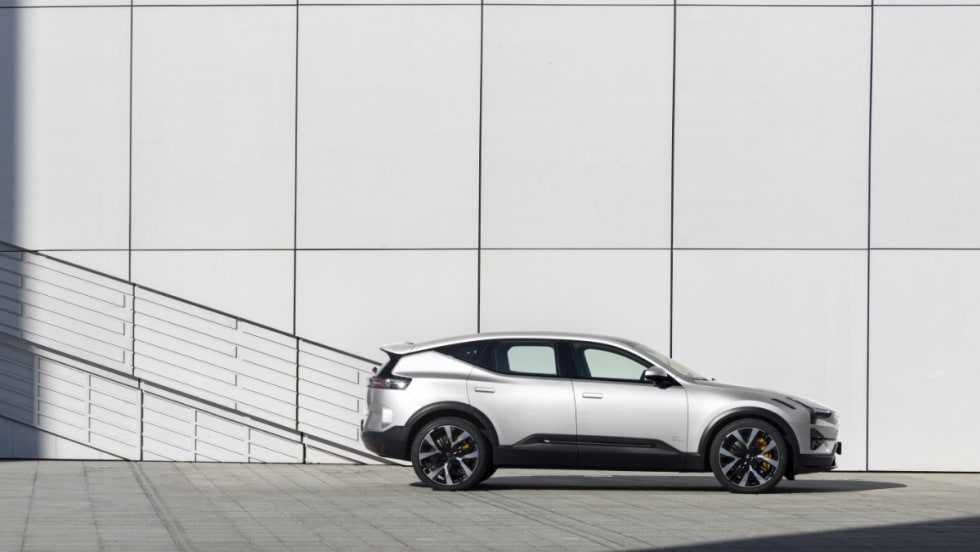
Polestar Barred from U.S. Market Under Connected Vehicle Rule
The automaker loses its authorization to sell new vehicles in the U.S., starting with the 2027 model year. Polestar owners will retain access to the brand's service network.
Read More →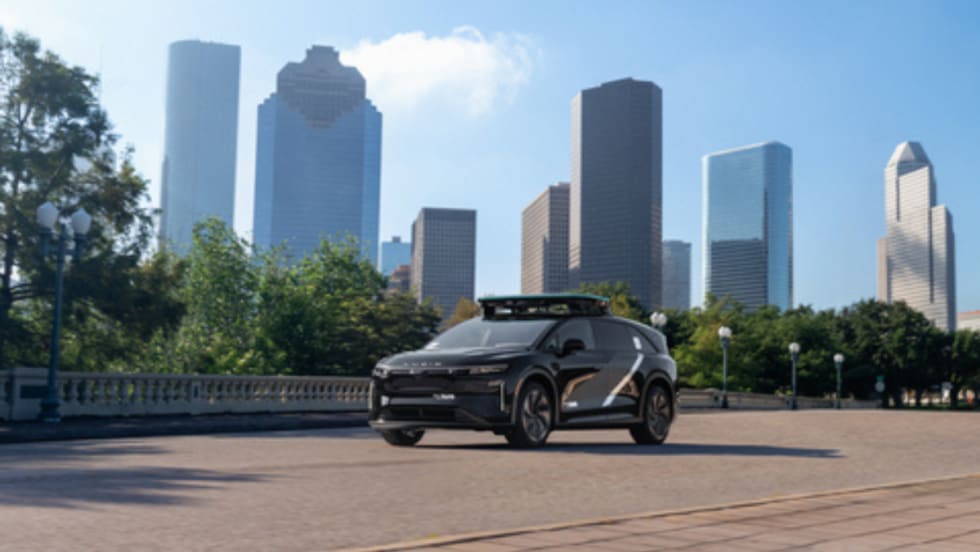
Uber, Nuro and Lucid Plan Houston Robotaxi Service in 2027
The tripartite venture brings out the combined advantages of electric vehicles, mobility, and autonomy into ground transportation.
Read More →
Electrify America Opens EV Fast Charging Station in Southern California
The large-format depot features 20 hyper-fast chargers capable of delivering 350 kilowatts and is backed by a powerful battery energy storage system.
Read More →
Inspiration Mobility Acquires Key Electrada Assets
Inspiration Mobility Group has acquired select assets of Electrada, adding the fleet electrification provider's team, technology, and charging infrastructure development capabilities to its energy management business.
Read More →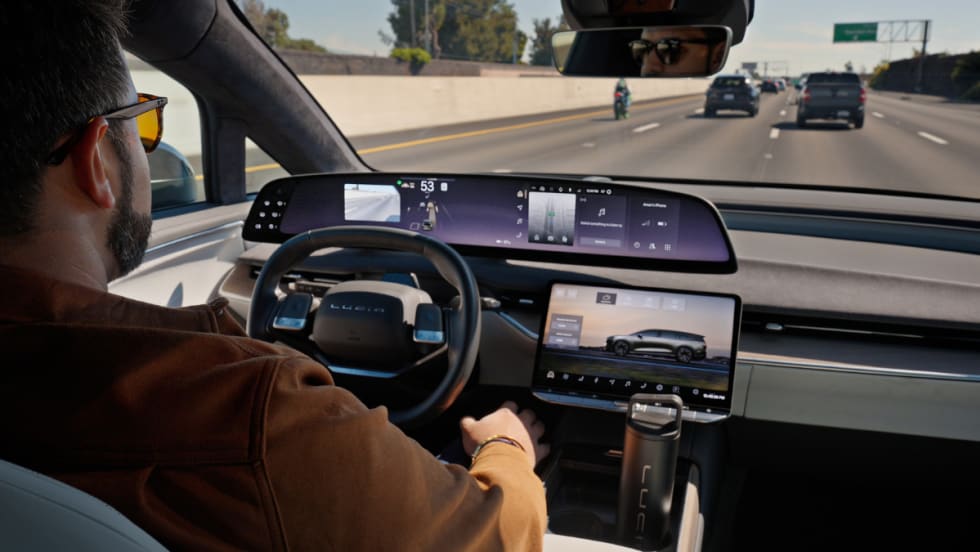
Lucid Adds Hands-Free Highway Driving, Software Updates To Gravity SUV
Hands-free drive assist makes highway driving more comfortable while keeping drivers attentive to the road.
Read More →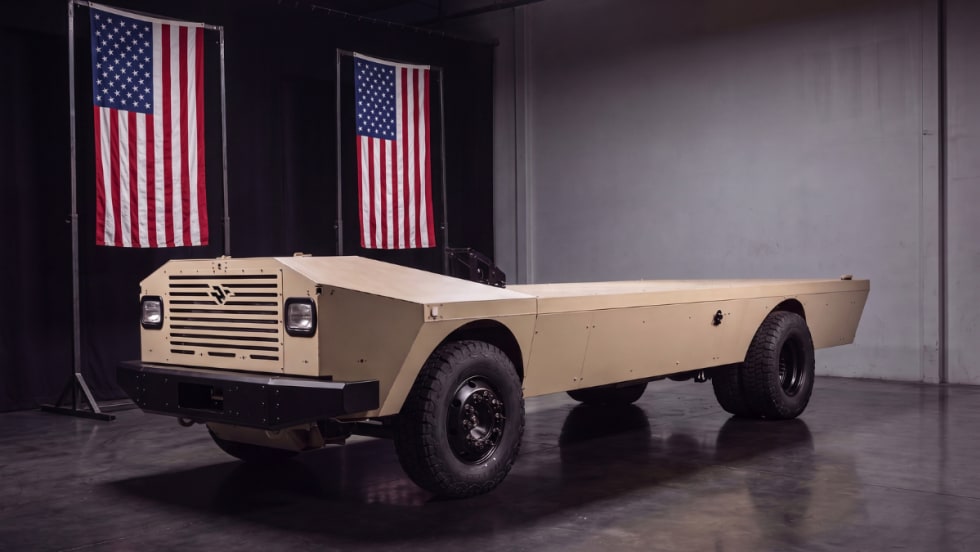
Harbinger Creates Hybrid-Electric Unmanned Vehicle Platform for Defense Use
The platform is based on the company's medium-duty plug-in hybrid chassis, which is also used in commercial vehicles.
Read More →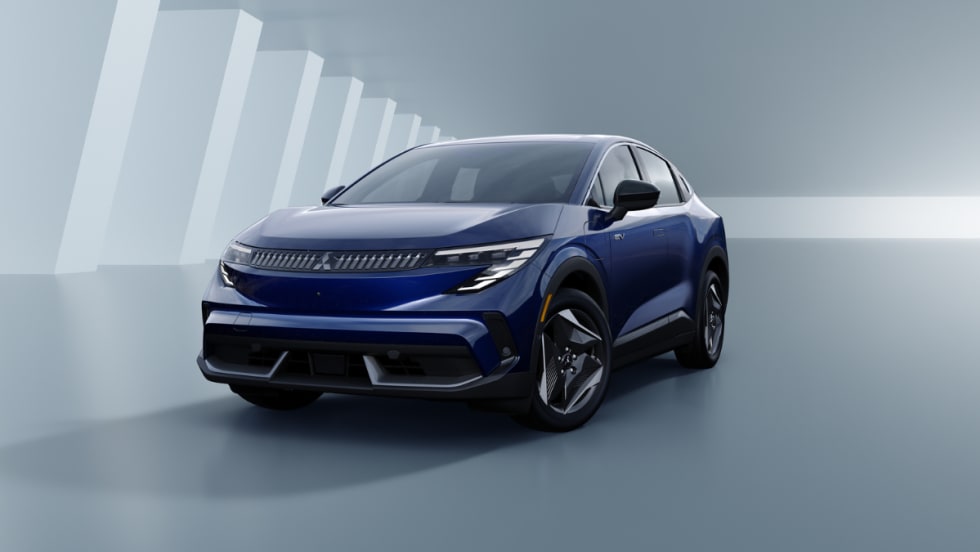
Mitsubishi To Debut All-Electric Eclipse Subcompact For North American Market
The 2027 Mitsubishi Eclipse Sportback is a small SUV that will go on sale by this fall.
Read More →
Stellantis To Build Smaller, Affordable EVs For European Market
Stellantis aims to expand access to urban EV mobility in Europe and address the decline in the smaller-vehicle segment.
Read More →