


Consumers Downplay Autonomous, Electric Cars
The firm’s 2019 Mobility Confidence Index Study found that consumers lack comfort about riding in and being on the road with self-driving vehicles and they still have concerns over charging infrastructure and affordability of electric cars.

Photo via Pxhere.
J.D. Power’s 2019 Mobility Confidence Index Study, released in July, exposes adverse feelings towards self-driving and battery-electric vehicles amongst consumers. The Mobility Confidence Index is 36 (on a 100-point scale) for self-driving vehicles and 55 for battery-electric vehicles.
Kristin Kolodge, Executive Director, Driver Interaction & Human Machine Interface Researcher at J.D. Power said that these results are not encouraging, especially as automakers continue to invest billions of dollars into self-driving and electrification technologies in vehicles.
The consumer survey is done in order to determine if automakers and consumers are on the same page when it comes mobility and vehicles trends.
The study is carried out quarterly and helps measure whether the market is ready for new mobility technologies such as self-driving and electric options.
The survey is segmented into three categories: low (0-40), neutral (41-60), and positive (61-100). J.D. Power utilized survey software company SurveyMonkey to conduct the study in which 5,749 consumers were polled about self-driving vehicles and 5,270 about battery-electric vehicles.
Following are key findings about self-driving vehicles:
Consumers have low confidence about the future of self-driving vehicles. This ultimately attributed to consumer comfort about riding in and being on the road with others in a self-driving vehicle.
Challenges with understanding and trusting the technology.
Disparate visions for availability.
Tech failures, hacking, and liability concerns.
Lack of education and knowledge about self-driving vehicles.
Safety
Following are key finding about battery-electric vehicles:
Consumers have neutral confidence about battery-electric vehicles, attributed to reliability and affordability. There is agreement that there are positive environmental effects of electric vehicles.
Small market
Challenges to increase vehicle acceptance.
Concern about ease of charging and efficiency of vehicle operation.
Lack of experience using electric vehicles.
Originally posted on Automotive Fleet
More Electric Vehicles
EV Charging Use Is Outpacing Infrastructure Growth
ChargePoint’s 2026 Charging Forward Report points to rising charger use, higher-powered charging, commercial vehicle electrification, and energy-management technology. Here’s what fleets should know.
Read More →
EV Realty Names Henrik Holland President as Charging Platform Expands
The former Prologis Mobility and Shell executive will help expand EV Realty’s truck charging business and move its power-first infrastructure model into autonomous vehicle depots and other fleet sectors.
Read More →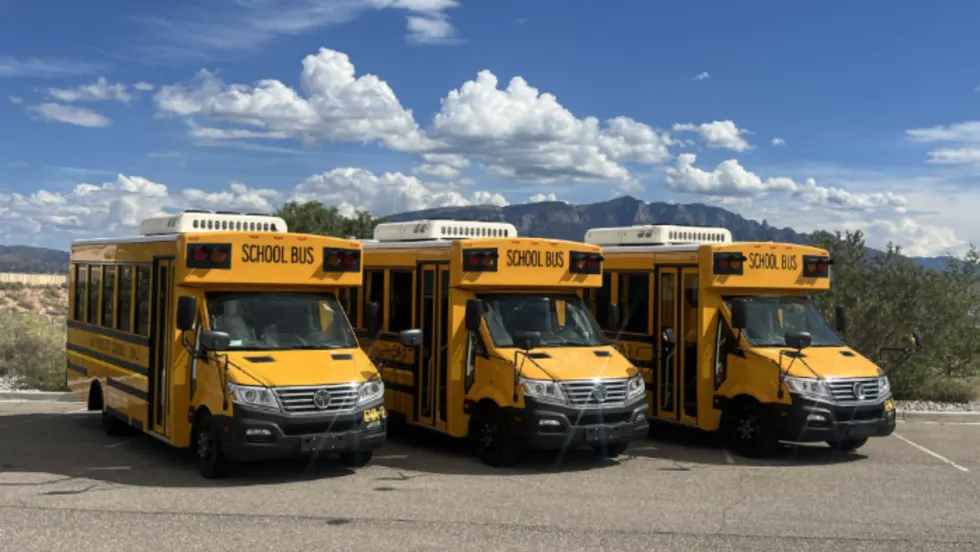
GreenPower Expands New Mexico EV Pilot With Larger Buses, V2G Testing
After logging more than 17,000 electric miles in the first year, New Mexico’s statewide pilot is moving into its second phase with larger vehicles, continued charging evaluations, and more.
Read More →
Can EV-as-a-Service Help Fleets Scale Electrification?
Sustainability Partners CEO Adam Cain explains how matching EVs, charging infrastructure, and duty cycles can help fleets scale electrification.
Read More →
How EV-as-a-Service Is Moving Fleets Beyond Pilots
Adam Cain, president and CEO of Sustainability Partners, explains how EV-as-a-service can help fleets scale deployments by addressing duty-cycle requirements and charging challenges.
Read More →
PowerFlex, The Mobility House Join Forces to Advance Fleet Electrification
Two EV charging providers are joining forces to deliver a broader portfolio of energy management and fleet electrification solutions.
Read More →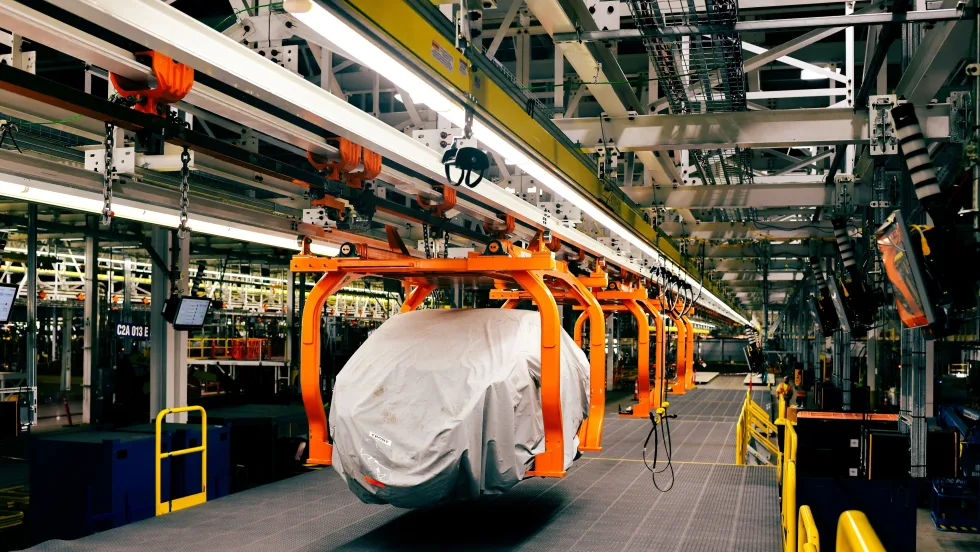
Ford Retools Louisville Plant for Fathom Electric Truck Production
Ford's $2 billion Louisville Assembly Plant overhaul introduces a three-part assembly process for the Fathom midsize electric truck, with production scheduled to begin in 2027.
Read More →
Merchants Fleet Reports 290M EV Miles as Fleets Navigate Changing Electrification Market
From millions in operating savings to hundreds of millions of EV miles, Merchants Fleet’s latest report reveals what’s working and what’s changing in fleet electrification.
Read More →
California District Commits to Electrify 25% of School Bus Fleet by 2028
One of the nation's largest school bus electrification projects to date demonstrates how grants, charging infrastructure, and public-private partnerships can help fleets transition to EVs at scale.
Read More →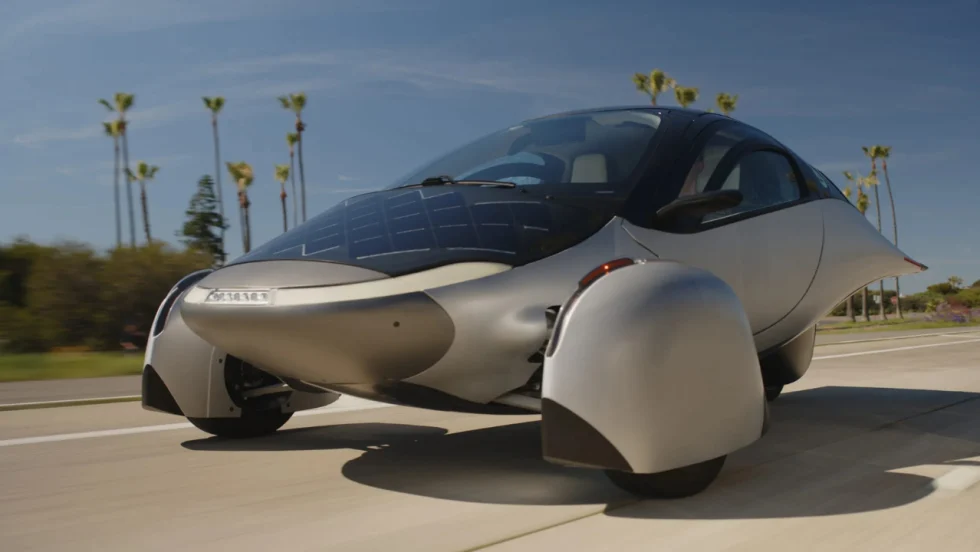
Aptera Orders Bodies and Chassis for Its First 40 Production Vehicles
Aptera Motors Corp. has issued purchase orders for the major structural components of its first 40 vehicles, and body and chassis components are expected to begin arriving in October.
Read More →