


Association Of Fleet Professionals Warns Against PHEV Fleet Policies
The chair of the Association of Fleet Professionals (AFP), a UK-based organization representing the interests of fleet managers, believes fleets should skip plug-in hybrid models on fleet policies and focus on pure electric models.
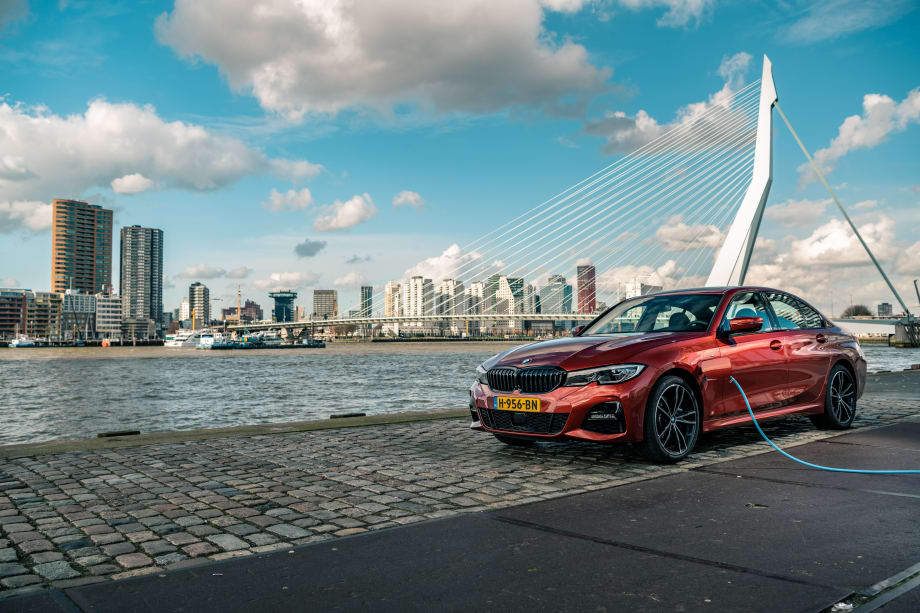
BMW 3 Series PHEV charging.
BMW
The chair of the Association of Fleet Professionals (AFP), a UK-based organisation representing the interests of fleet managers, believes fleets should skip plug-in hybrid models on fleet policies. Instead they should concentrate on pure electric models.

Association of Fleet Professionals
Speaking exclusively to Global Fleet Management, chair Paul Hollick explained that while PHEVs were decent vehicles if they were used extensively on the electric cycle - by as much as 65% - but otherwise he said, “you’re carrying around a heavy lump of battery that’s adding to fuel consumption and costing much more to run than predicted.”
Hollick continued:
“At the AFP many fleet managers who have put PHEVs on fleet have found that they were costing them more in terms of fuel and charging because they were using OEM figures - which suggest very impressive consumption based on WLTP testing.
“And that's the issue.
“The problem with PHEVs is that it very much depends on the usage model as to what the vehicle achieves in reality. We’ve seen a few fleets that have handed back PHEVs to go fully electric instead.”
Hollick added that it was also important for fleet managers to ensure that PHEVs were being fully charged as often as possible through the use of Approved Electric Mileage rates for the vehicle’s official electric mileage range, rather than using the higher fuel reimbursement rate. These are rates that fleet drivers can charge per mile without incurring any personal tax liability.
“For example, if a driver covered 100 miles on business, in say a BMW 330e with a 37-mile electric range, then the first 37 miles of that journey would be reimbursed at the Approved Electric Mileage rate of 5p per mile, while the rest of the journey would be reimbursed at the higher rate for petrol cars, which is currently 15p for a petrol engine of that size.
“We’ve seen many fleet managers now swapping from just paying a standard fuel rate to reimbursing with the electric rate for the first 30 miles to encourage proper use of the battery.”
Hollick’s warning comes as the popularity of PHEVs is possibly plateauing.
According to market analyst Matthias Schmidt, reporting in the October issue of the European Electric Car Outlook, PHEVs grew by just 3% year-on-year, while Germany witnessed the first fall in its PHEV market for 26 months.
In comparison, the pure electric market continued to grow with volumes rising by 43% year-on-year, in a total passenger car market decreased by 30%.
Schmidt added:
“It will be crucial to monitor if this PHEV impact is solely the result of the semiconductor crisis, or if it’s the result of an underlying trend that’s seeing a shift away from PHEVs towards BEVs.”
Hollick was far more bullish on the issue, however, adding,
“Everyone’s into battery electric vehicles at the moment driven by the tax advantages. In the main, fleets have a good steer on the data and are managing that data to reduce costs. They are actively telling their drivers to go full electric. The only difficulty at the moment is over supply.”
Originally posted on Automotive Fleet
More Electric Vehicles
EV Charging Use Is Outpacing Infrastructure Growth
ChargePoint’s 2026 Charging Forward Report points to rising charger use, higher-powered charging, commercial vehicle electrification, and energy-management technology. Here’s what fleets should know.
Read More →
EV Realty Names Henrik Holland President as Charging Platform Expands
The former Prologis Mobility and Shell executive will help expand EV Realty’s truck charging business and move its power-first infrastructure model into autonomous vehicle depots and other fleet sectors.
Read More →
GreenPower Expands New Mexico EV Pilot With Larger Buses, V2G Testing
After logging more than 17,000 electric miles in the first year, New Mexico’s statewide pilot is moving into its second phase with larger vehicles, continued charging evaluations, and more.
Read More →
Can EV-as-a-Service Help Fleets Scale Electrification?
Sustainability Partners CEO Adam Cain explains how matching EVs, charging infrastructure, and duty cycles can help fleets scale electrification.
Read More →
How EV-as-a-Service Is Moving Fleets Beyond Pilots
Adam Cain, president and CEO of Sustainability Partners, explains how EV-as-a-service can help fleets scale deployments by addressing duty-cycle requirements and charging challenges.
Read More →
PowerFlex, The Mobility House Join Forces to Advance Fleet Electrification
Two EV charging providers are joining forces to deliver a broader portfolio of energy management and fleet electrification solutions.
Read More →
Ford Retools Louisville Plant for Fathom Electric Truck Production
Ford's $2 billion Louisville Assembly Plant overhaul introduces a three-part assembly process for the Fathom midsize electric truck, with production scheduled to begin in 2027.
Read More →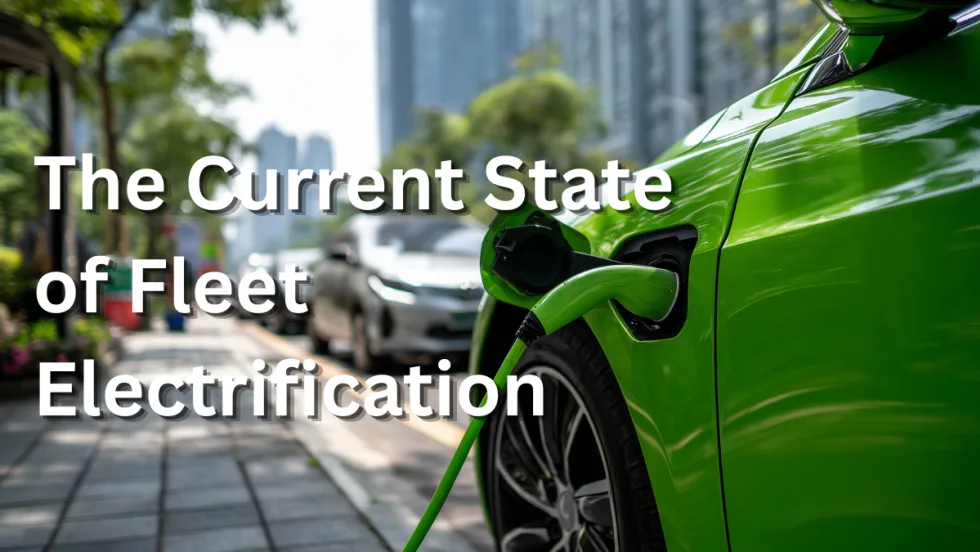
Merchants Fleet Reports 290M EV Miles as Fleets Navigate Changing Electrification Market
From millions in operating savings to hundreds of millions of EV miles, Merchants Fleet’s latest report reveals what’s working and what’s changing in fleet electrification.
Read More →
California District Commits to Electrify 25% of School Bus Fleet by 2028
One of the nation's largest school bus electrification projects to date demonstrates how grants, charging infrastructure, and public-private partnerships can help fleets transition to EVs at scale.
Read More →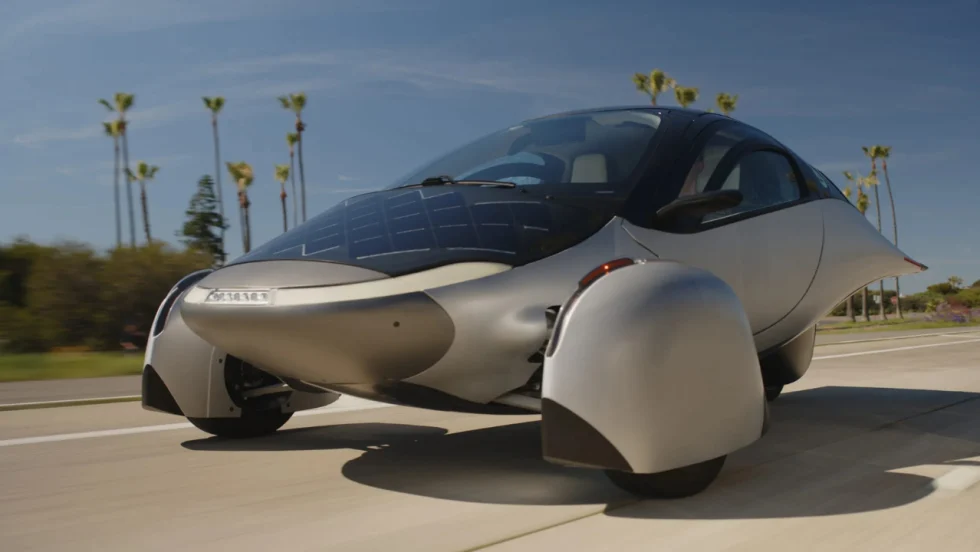
Aptera Orders Bodies and Chassis for Its First 40 Production Vehicles
Aptera Motors Corp. has issued purchase orders for the major structural components of its first 40 vehicles, and body and chassis components are expected to begin arriving in October.
Read More →