


Three Ways to Reimburse Employees for EV Home Charging: The Good, the Bad, and the Ugly
What fleet managers need to know to reduce risk and avoid legal and labor relation pitfalls.

With the increasing adoption of electric vehicles in fleets, it is crucial for employers to understand the legal ways to reimburse employees for charging their fleet vehicles at home.
Photo: Ford
As electric vehicles (EVs) gain numbers in fleets, fleet managers must understand their legal obligations when reimbursing employees for charging their fleet vehicles at home.
In states like California, employers must comply with regulations outlined in Section 2802 of the California Labor Code, which mandates the reimbursement of necessary expenses incurred by employees in the discharge of their duties.
The 2005 case of Gattuso v. Harte Hanks Shoppers, Inc., clarified that CA 2802 covers driving reimbursement expenses. Failure to comply with these regulations can expose companies to legal risks, including multi-million-dollar class action lawsuits.
Reimbursing fleet drivers for charging on the go is easy using a company credit card or charging app, but with home electricity use for overnight charging, you need a different solution.
The Harte Hanks case outlines three legal ways to reimburse employees who use a vehicle for work:
Lump sum payments
Mileage reimbursement
Actual expense reimbursement
Each option has its pros and cons, which fleet managers should carefully consider before implementing any program.
NO. 1: Flat Fee Allowance
The simplest way to reimburse employees for home charging is with a flat fee payment method, where employees get the same payment every month regardless of how often they charge their vehicles at home.
Payment is not correlated to actual electricity used. This is the simplest way to reimburse, but is also the least efficient, most expensive, and could potentially leave your company vulnerable to a class action labor lawsuit.
When employees receive a “fixed payment allowance,” the amount needs to be set at a high enough rate to cover the costs of the employee using the most electricity at the highest rate to avoid potential liability.
That means your program will inherently be overpaying most employees for their home electricity use. In addition, lump-sum payments are considered taxable income for employees, which can diminish their overall earnings and satisfaction with the program.
Finally, this method does not incentivize employees to charge at home, where electricity costs are typically 30% to 60% lower. Without additional monitoring or guidelines, a flat payment could backfire and encourage employees to “take the cash” but charge as much as possible on the go.
NO. 2: Mileage Reimbursement
Another option for vehicle reimbursement is based on mileage. The Internal Revenue Service (IRS) sets a standard mileage reimbursement rate for drivers who use their own vehicles for business purposes. That rate applies to both gasoline-powered and electric vehicles.
Because electric vehicles save drivers many thousands of dollars each year in maintenance and fuel costs compared to gasoline-powered vehicles, reimbursing EV drivers at the IRS rate is the least economical choice of the three.
Additionally, for fleet drivers using company owned EVs and charging them at home, there is no specific IRS rate for reimbursing just for the cost of electricity. Therefore, using the mileage reimbursement method may not be suitable for accurately compensating employees for at-home charging expenses.
NO. 3: Real Cost Reimbursement
The most accurate but also the most historically burdensome method for reimbursing employees for charging at home is through actual expense reimbursement. This approach requires employers to separately reimburse employees for various expenses related to EV use: Charging, maintenance, repairs, insurance, registration, and depreciation. For both individual vehicles being used for work and company-owned assets, this method requires being able to separate out home electricity costs used for charging the vehicle.
Some companies have solved this problem by providing employees with dedicated meters and home chargers, while others have used telematics data and regional utility averages. Dedicated meters are costly to install, are lost to the organization when employees leave, and might need to be reinstalled when employees move. Using averages introduces the risk of over- and under-payment.
One streamlined example of how to calculate these costs is by using a technology like ReimburseEV, which can analyze charging and rate data to generate itemized receipts for employees to submit for at-home charging expenses with no special equipment needed. This solution offers simplicity, accuracy, compliance with IRS regulations, and ensures that reimbursements are not treated as taxable income for employees.
The Need for Compliance
Failing to comply with reimbursement regulations can cause serious consequences for employers. California Labor Code Section 2802 lawsuits have resulted in large financial settlements, highlighting the need for companies to adhere to these requirements.
Radioshack, for example, was ordered to pay $4.5 million to employees in settlement fees for failing to adequately reimburse travel and business-related expenses. To avoid the risk of class-action liability, companies operating in California and other states with similar provisions should ensure they have a proper reimbursement policy or practice in place.
Vital Practices and Policies
With the increasing adoption of electric vehicles in fleets, it is crucial for employers to understand the legal ways to reimburse employees for charging their fleet vehicles at home.
Flat fee allowance, mileage reimbursement, and actual expense reimbursement are the three main methods available. Each option has its advantages and disadvantages, and employers should carefully evaluate which approach aligns best with their company's needs, culture, and compliance rules.
By implementing a fair and precise reimbursement program, employers can minimize legal risks, adhere to labor regulations, and maintain positive relationships with their employees.
Note: This article provides general information and should not be considered legal advice. Employers should consult with legal professionals to ensure compliance with specific laws and regulations in their jurisdiction.
Originally posted on Automotive Fleet
More Electric Vehicles
EV Charging Use Is Outpacing Infrastructure Growth
ChargePoint’s 2026 Charging Forward Report points to rising charger use, higher-powered charging, commercial vehicle electrification, and energy-management technology. Here’s what fleets should know.
Read More →
EV Realty Names Henrik Holland President as Charging Platform Expands
The former Prologis Mobility and Shell executive will help expand EV Realty’s truck charging business and move its power-first infrastructure model into autonomous vehicle depots and other fleet sectors.
Read More →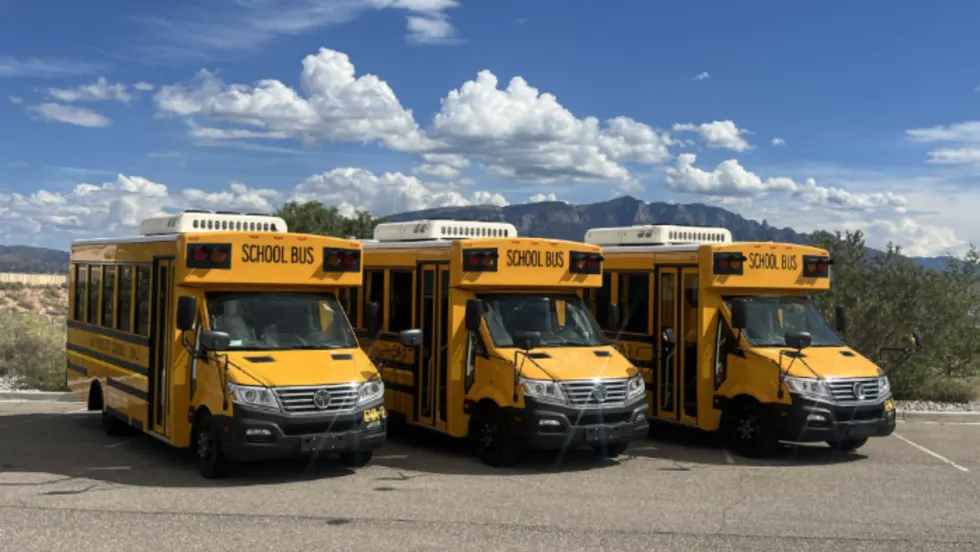
GreenPower Expands New Mexico EV Pilot With Larger Buses, V2G Testing
After logging more than 17,000 electric miles in the first year, New Mexico’s statewide pilot is moving into its second phase with larger vehicles, continued charging evaluations, and more.
Read More →
Can EV-as-a-Service Help Fleets Scale Electrification?
Sustainability Partners CEO Adam Cain explains how matching EVs, charging infrastructure, and duty cycles can help fleets scale electrification.
Read More →
How EV-as-a-Service Is Moving Fleets Beyond Pilots
Adam Cain, president and CEO of Sustainability Partners, explains how EV-as-a-service can help fleets scale deployments by addressing duty-cycle requirements and charging challenges.
Read More →
PowerFlex, The Mobility House Join Forces to Advance Fleet Electrification
Two EV charging providers are joining forces to deliver a broader portfolio of energy management and fleet electrification solutions.
Read More →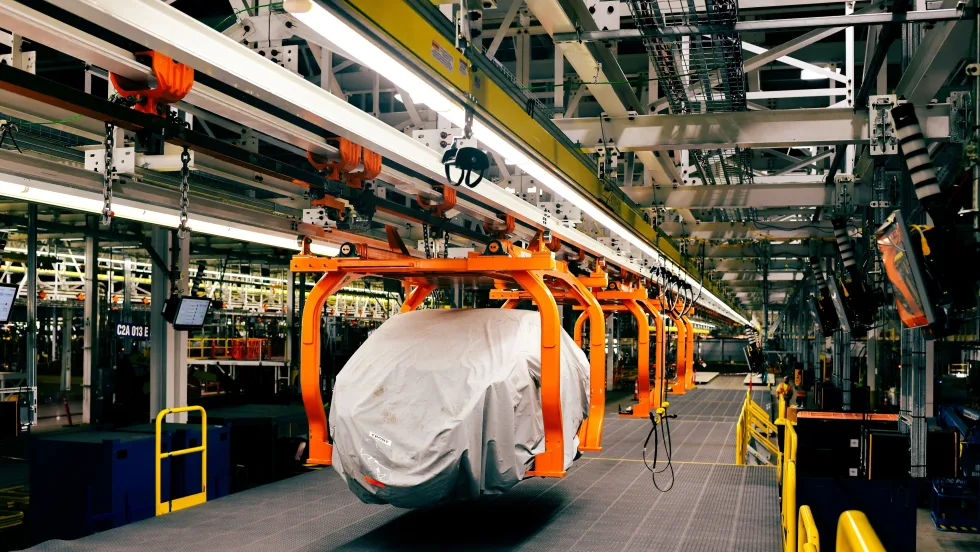
Ford Retools Louisville Plant for Fathom Electric Truck Production
Ford's $2 billion Louisville Assembly Plant overhaul introduces a three-part assembly process for the Fathom midsize electric truck, with production scheduled to begin in 2027.
Read More →
Merchants Fleet Reports 290M EV Miles as Fleets Navigate Changing Electrification Market
From millions in operating savings to hundreds of millions of EV miles, Merchants Fleet’s latest report reveals what’s working and what’s changing in fleet electrification.
Read More →
California District Commits to Electrify 25% of School Bus Fleet by 2028
One of the nation's largest school bus electrification projects to date demonstrates how grants, charging infrastructure, and public-private partnerships can help fleets transition to EVs at scale.
Read More →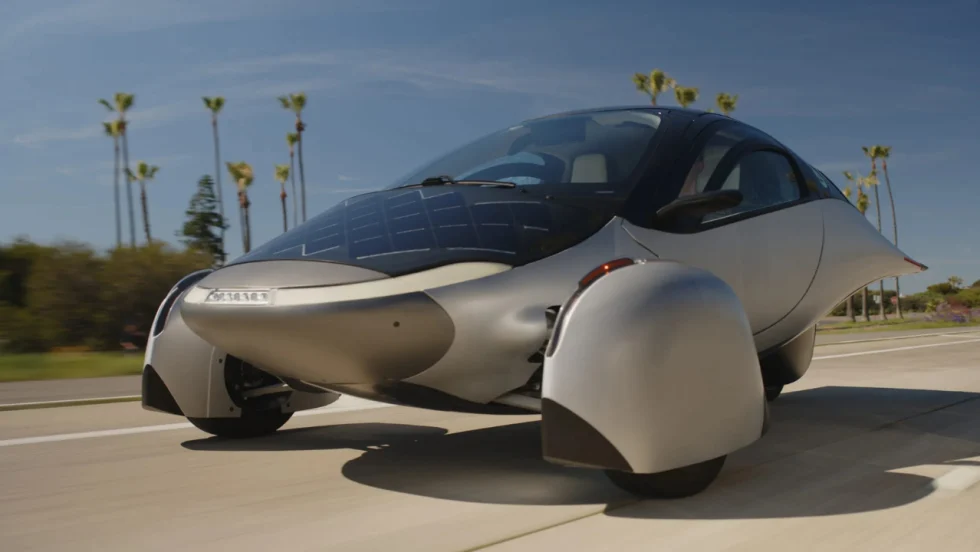
Aptera Orders Bodies and Chassis for Its First 40 Production Vehicles
Aptera Motors Corp. has issued purchase orders for the major structural components of its first 40 vehicles, and body and chassis components are expected to begin arriving in October.
Read More →