



Related Article: 22 Takeaways From the 2021 Fleet Forward Conference
Preparing Your Organization for Fleet Electrification
For managers of large corporate fleets looking to electrify, these internal practices must be followed before spending capital and setting up operations.
December 7, 2021

Photo illustration: Bobit
6 min to read
Visions of electric vehicles can motivate, inspire, and excite fleet operations toward being more economic and efficient while reducing emissions.
The journey to those noble goals will involves plenty of detail and unforeseen events, requiring a customized approach for each fleet. One method does not fit all size fleets.
A panel of experts in November 2021 shared the latest insights from their experiences working with fleets toward electrification. The EV professionals — Danita Park, director of EV and commercial development for NRG, an integrated energy services company with more than six million customers; Chris George, executive director of EVolve Houston; Michael Ambrose, manager of maintenance and construction, East Bay Municipal Utility District; and Yann Kulp, co-founder and head of business development for EIQ Mobility, a NextEra Energy Company — appeared at the 2021 Fleet Forward Conference in San Jose.
Here are key takeaway points from their discussion:
Roadmap Questions: When members of an organization want to get into EVs, they are likely to ask such questions, as: What about charging? Do I need to have a charger at multiple locations, or do I need to have chargers at home? What about the financials? What about batteries and replacing batteries and then battery recycling, and the impact on the environment? Those questions can create roadmap for steps to fleet electrification and EV adoption to start the gradual transition.
Prepare for More Questions: While setting goals such as 100% electrification by 2030 can inspire and motivate leaders and employees, prepare for hard questions on how to meet such goals. Be ready to lay out the steps and predict what the future will look like in 2030. Will the industry be capable of supplying the vehicles? Will there be enough investment? Can you build confidence in a plan?
Disruptions: The process of fleet electrification can be potentially disruptive, to finances, risk profile, operations – all of which still must meet the mission critical role, whether government, public service, or business/commercial. That must be done with high levels of operational and financial reliability.
Stakeholder Maintenance: Finding an executive stakeholder or sponsor who can lead and push the wider sustainability mission is crucial to avoiding conflicts over different agendas and anxieties. Be respectful of different stakeholder concerns, such as figuring out electric load capacities, facilities, costs. Make sure you have a method to address these points precisely.
Lots of Explaining: Pressures on fleet directors are changing and coming from different places, such as having to explain and defend procurements and power storage to city councils and municipal leaders. Invite the local utility to help explain next steps and processes and work together on infrastructure. Gain a clear understanding of a fleet and its usages before choosing the investments to electrify.
The Switch Is On: When moving from fossil fuel to an electric powered vehicle, it is a fuel switch, which is just as important as changing a power plant from coal to oil, or coal to gas. Fleet managers should consider the transition as one involving an entire system, since it affects logistics, how to acquire fuel, infrastructure, payments, where and when vehicles are charging, whether charging is at homes, depots or public stations, or a combination.
Fleet Sizing: A fleet manager cannot design the right infrastructure if they don't know how many EVs will be serviced at the facility. At some point, fleet managers should assess how many electric vehicles can be deployed based on their operating cycles, range, mileage, climate, and other variables. That enables a fleet manager to boil down a sea of 1,000 vehicles to a few 100 vehicles to be electric. Then you can build a suitable infrastructure with the right mix of charging. The result could be you can accommodate fewer or more vehicles based on what ends up the precise match between duty cycles and charging needs.
Chicken And Egg: There are only two ways to resolve the tension between number of EVs in a fleet and matching infrastructure: You figure out how many charging stations you can install in a location and then get the right number of vehicles, OR you figure out the total feasibility of fleet electrification and start designing the infrastructure. The process is not cheap, easy, or fast.
Take Your Training Time: Don’t do everything at once. Acquire vehicles at scale. Phase in over a few years and gradually expose drivers and employees to EVs. Help them understand EVs through test pilots, renting them for a limited period, or assign them for business trips. That’s a safe and low-cost way to pursue adoption. Allow time for future users to take vehicles out and experience what it is like to drive them. That also allow time to figure out how and when to buy vehicles and infrastructure at scale. Unless fleet managers and drivers sample and test EVs, they risk basing electrification plans and designing systems on faulty assumptions.
Build It Right: Implementing electric service for EVs is a six month to one year process. Fleet managers may want to consider a separate electric system from other facilities that can help track power usage and costs. Get familiar with building codes and local ordinances that apply to installing charging systems.
Role Planning: Develop an approach internally to educate different departments and employees and figure out where to start phasing in EVs. Who is willing and able to electrify first? Who will be the technicians trained to maintain the EVs? What are potential conflicts over resources and labor among various internal stakeholders and departments? Know how to navigate the bureaucracy.
Mind The Money: Devise an accurate budget and identify sources of funding. Use the RFP and RFI processes to gain and share a better understanding of costs. Money talks.
Flexible Plans: Develop a road map to electrification. Once you are following a vision or plan, set up ways to hold the process accountable. Adjust your plans as electric vehicle technology and options are constantly changing and advancing. Find some quick wins, test them out, and show some results. Measure progress at regular intervals. Find a combination of internal and external accountability so you can keep a pulse on EV-related developments that could shift your operations. Be strategic and tactical at the same time.
Home v Public Charging: Having employees rely too much on public charging is expensive and not fully reliable. Take-home vehicles need home-based charging that can be reimbursed. Don’t expect employees to pay for the electric power.
Power Metrics: EVs are not driven by range, but by power usage. The actual energy profile can depend on such variables as idling, driving habits, routes, and mechanical factors such as hydraulics.
Level 1 Advantages: For charging solutions, understand the battery size, energy consumption, and the cost-benefit of the different options. Level 1 charging is slow, but if you have three days to charge a vehicle, then you can save money not installing a Level 2 or 3 charger. Level 1 chargers work well with weekend parking. If a fleet vehicle is only routing 40 miles a day, then it only needs one charged per week for weekday service.

A Fleet Forward panel on large fleet electrification: (L to R): Martin Romjue, Bobit editor, Danita Park, director of EV and commercial development for NRG, an integrated energy services company with more than six million customers; Chris George, executive director of EVolve Houston; Michael Ambrose, manager of maintenance and construction, East Bay Municipal Utility District; and Yann Kulp, co-founder and head of business development for EIQ Mobility, Nov. 11, 2021, San Jose, Calif.
Photo: Ross Stewart, RMS3Digital.
Bottom Line
According to a cited survey, 86% of fleets are considering electrification, only 7% have a fleet wide goal, and 12% of fleets have done something to move the ball forward. That means there’s a lot of interest among fleets, but not much action yet. A combination of sustainability mandates, voluntary compliance and emissions reduction is driving fleet electrification.
The journey to fleet electrification will be an exciting adventure with paint points along the way. But it’s better to electrify sooner rather than later. Being the last is never a good idea. When faced with de-carbonization mandates, and you are unsure of doing something you’ve never done before, you could be at a disadvantage if your competitors have committed to electrifying faster.
Do not let the perfect be the enemy of the good. Embark on a learning journey as quickly as possible, test out potential partners and stakeholders, and get moving.
Originally posted on Automotive Fleet
Subscribe to Our Newsletter
More Electric Vehicles
EV Charging Use Is Outpacing Infrastructure Growth
ChargePoint’s 2026 Charging Forward Report points to rising charger use, higher-powered charging, commercial vehicle electrification, and energy-management technology. Here’s what fleets should know.
Read More →
EV Realty Names Henrik Holland President as Charging Platform Expands
The former Prologis Mobility and Shell executive will help expand EV Realty’s truck charging business and move its power-first infrastructure model into autonomous vehicle depots and other fleet sectors.
Read More →
GreenPower Expands New Mexico EV Pilot With Larger Buses, V2G Testing
After logging more than 17,000 electric miles in the first year, New Mexico’s statewide pilot is moving into its second phase with larger vehicles, continued charging evaluations, and more.
Read More →
Can EV-as-a-Service Help Fleets Scale Electrification?
Sustainability Partners CEO Adam Cain explains how matching EVs, charging infrastructure, and duty cycles can help fleets scale electrification.
Read More →
How EV-as-a-Service Is Moving Fleets Beyond Pilots
Adam Cain, president and CEO of Sustainability Partners, explains how EV-as-a-service can help fleets scale deployments by addressing duty-cycle requirements and charging challenges.
Read More →
PowerFlex, The Mobility House Join Forces to Advance Fleet Electrification
Two EV charging providers are joining forces to deliver a broader portfolio of energy management and fleet electrification solutions.
Read More →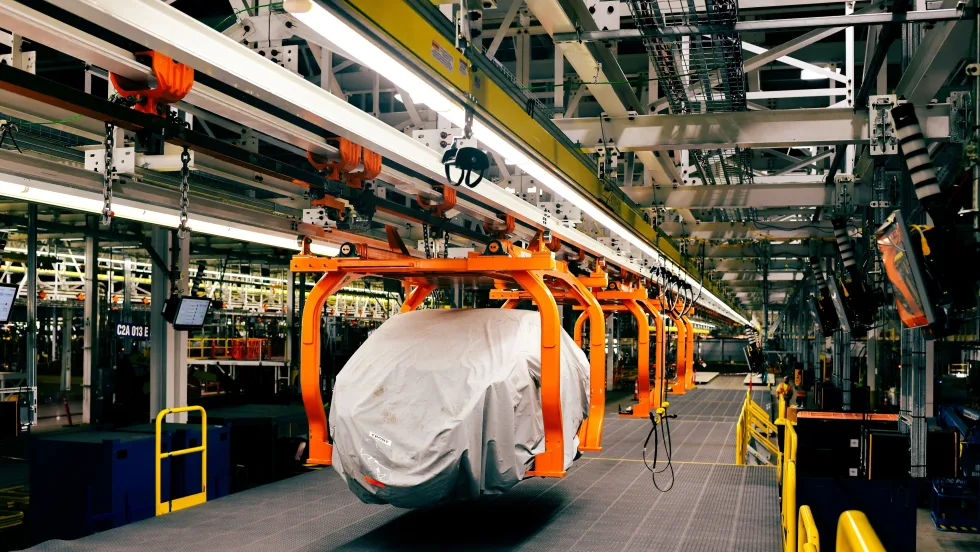
Ford Retools Louisville Plant for Fathom Electric Truck Production
Ford's $2 billion Louisville Assembly Plant overhaul introduces a three-part assembly process for the Fathom midsize electric truck, with production scheduled to begin in 2027.
Read More →
Merchants Fleet Reports 290M EV Miles as Fleets Navigate Changing Electrification Market
From millions in operating savings to hundreds of millions of EV miles, Merchants Fleet’s latest report reveals what’s working and what’s changing in fleet electrification.
Read More →
California District Commits to Electrify 25% of School Bus Fleet by 2028
One of the nation's largest school bus electrification projects to date demonstrates how grants, charging infrastructure, and public-private partnerships can help fleets transition to EVs at scale.
Read More →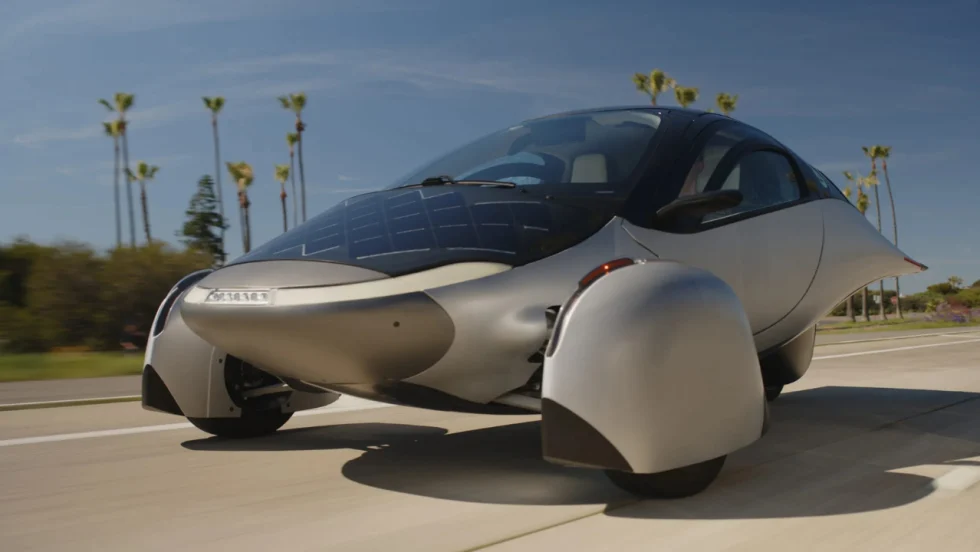
Aptera Orders Bodies and Chassis for Its First 40 Production Vehicles
Aptera Motors Corp. has issued purchase orders for the major structural components of its first 40 vehicles, and body and chassis components are expected to begin arriving in October.
Read More →