


Telematics Improves Safety for Hawaiian Utility
Hawaii Electric Light Co. relies on its telematics platform to keep employees safe and help reduce operating costs.
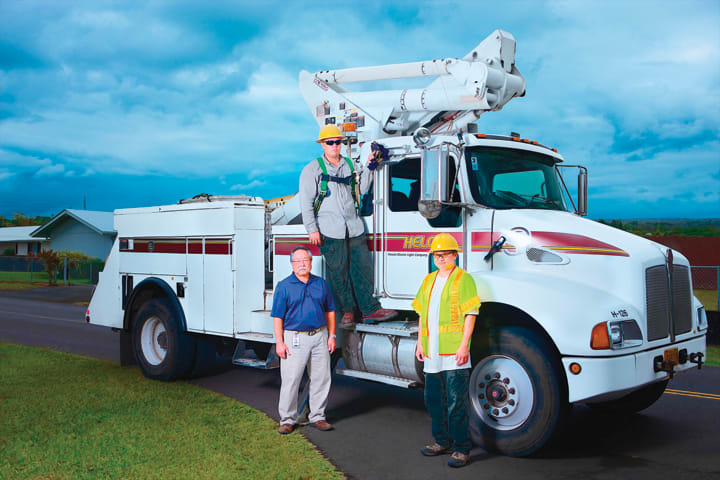
(L-R) Kelvin Kohatsu, Hawaii Electric Light fleet administrator; Joshua Kunimura, Hawaii Electric Light apprentice service lineman; and Clyde Kunimura, Hawaii Electric Light senior service lineman stand on and next to a Kenworth T300 bucket truck. (PHOTO: Zonar)
Located in the middle of the vast Pacific Ocean, the Oahu, Maui, Hawaii, Lanai, and Molokai islands are powered by an independent electric grid. Responsibility for servicing those grids falls to the Hawaiian Electric Companies, which serve 95 percent of the state’s 1.4 million residents.
Hawaii Electric Light and Maui Electric Company are subsidiaries of Oahu-based Hawaiian Electric Company. Together, all three companies are part of the Hawaiian Electric Companies.
At about 4,028 square miles, the island of Hawaii is the largest of the five Hawaiian islands. Its terrain ranges from lush tropical growth on the east side, to desert-like conditions on the west, to freezing temperatures atop Mauna Kea mountain. To serve the 80,000 customers who live and work on that vast and diverse terrain, Hawai‘i Electric Light’s distribution system is comprised of more than 3,300 miles of overhead lines, more than 780 miles of underground lines, and 641 miles of overhead transmission lines.
Telematics Improving Employee Safety
The large service area, diverse terrain, and variable weather make maintaining infrastructure and reliability a challenge, but safety is Hawaii Electric Light’s top priority, said Kelvin Kohatsu, Hawaii Electric Light’s fleet administrator. The fleet’s drivers log 1.7 million miles annually. Crews can work in distant, remote areas, with some employees working alone.
Hawaii Electric Light operates a fleet with more than 300 pieces of equipment, including bucket trucks, pickup trucks, and forklifts. In 2013, its fleet was recognized as one of the “Top 50 Green Fleets” in the nation by HDT magazine, a sister publication to Work Truck magazine.
All diesel-fueled vehicles run on biodiesel; nearly all use B-20 and the rest pure biodiesel. The fleet also contains 26 light hybrid vehicles, three electric-powered Nissan LEAFs, two plug-in hybrid electric (PHEV) Toyota Prius models, six Class 5 Dodge diesel-powered bucket trucks with Altec JEMS 48 systems providing electric-powered bucket operation, and two hybrid diesel-electric Class 7 Kenworth bucket trucks. The Kenworth T370 hybrid is the first of its kind in the state of Hawaii and has nearly twice the fuel mileage of the truck it replaced, according to the fleet.
In 2008, Kohatsu turned to telematics to improve safety. With telematics, the company could better monitor equipment and employees.
This feature was critical for the safety of employees who work alone in remote locations, Kohatsu said. Telematics also resulted in dispatching efficiencies and safer driving practices.
“The telematics system gives us a much higher degree of transparency into our fleet operations,” Kohatsu said. “We can monitor behaviors and correct those that are costly. Our drivers aren’t going as fast, and we aren’t seeing those jackrabbit starts. When drivers stop at company offices or at job sites, they turn off the truck engine instead of leaving it idling.”
Hawaii Electric Light also reduced its diesel fuel consumption by more than 22,000 gallons in the first six months of 2014 compared to the same time period in 2007, Kohatsu said.
“We were essentially traveling the same number of miles, about 1.7 million per year, but we were still seeing a huge reduction in our fuel consumption,” he said.
By 2009, telematics systems were installed on all trucks in the fleet. The company switched to Zonar in 2012.
“I did some research on different telematic system options,” Kohatsu said. “Zonar had such a great reputation for service, which was key for me.”
Consistency Through Automating Inspection Reports
Zonar’s Electronic Vehicle Inspection Reporting (EVIR) system has proven to be an effective tool for Hawaii Electric Light; however, Kohatsu admitted he was skeptical at first.
“I’m an old-timer,” he said. “I didn’t know if this technology would actually help our operations. I was used to doing things the old-fashioned way with a pen, paper, and a clipboard.”
As a former vehicle inspection judge for state truck driving championships, Kohatsu believes in the basics: Drivers must do their inspection reports completely and consistently for inspection reports to be effective. He found the EVIR system automates the process with prompts to help drivers complete pre- and post-inspection reports completely and consistently.
Radio-frequency identification (RFID) tags are placed on Hawaii Electric Light’s equipment in critical inspection zones. These weather-tough tags contain information about their location on the unit, the components to be inspected, and the identity of the vehicle or piece of equipment. Using Zonar’s EVIR inspection tool, drivers conduct inspections by placing the reader within inches of the tag and indicating the condition of the components within the zone using one-hand, push-button responses. When a defect is discovered, the driver selects a description from a pre-defined list and indicates whether the equipment is safe to operate.
“The EVIR holds drivers accountable since it keeps track of when they did their inspections and how long it took them,” he said. “As a manager, EVIR gives me the ability to counsel drivers more effectively.”
Improving Repair Shop Efficiency
When the inspection is complete, drivers place the handheld unit into the EVIR mount inside the cab. The telematics platform gathers the inspection data and remote diagnostic information and wirelessly transmits it to Zonar’s Web-based Ground Traffic Control data management application. Data is then integrated from the EVIR and telematics system into FleetFocus, Hawaii Electric Light’s fleet maintenance system developed by AssetWorks.
This integration allows service requests to be automatically generated and transmitted through e-mail and through the FleetFocus portal to Kohatsu and Hawaii Electric Light’s maintenance vendors. Once repairs are performed and marked complete in FleetFocus, they are automatically uploaded to Zonar’s Web-based Ground Traffic Control data management application, indicating that the vehicle is in full compliance for operation. Because the data management application is Web-based, the utility’s dispatchers know when trucks are ready to return to service.
Reducing Diesel Consumption
After the Zonar telematics equipment was installed in 2012, Hawaii Electric Light saw further reduction in the amount of diesel fuel consumption — about 18,000 gallons. Combined with the 22,000-gallon reduction from 2008 to 2009, fuel savings totaled more than 40,000 gallons even though the fleet’s annual mileage stayed constant at about 1.7 million miles over those four years.
“It was clear proof to me that telematics strongly influence driver behavior,” Kohatsu said. “You can’t hold drivers accountable and change their behaviors without an objective way to measure their performance.”
The integration of Zonar and AssetWorks has made the generation of work orders as a result of driver-identified defects or vehicle sensors seamless for Hawai‘i Electric Light, Kohatsu said.
“Our uptime has increased and our lifecycle costs have dropped,” he said. “Most important, we have a safer fleet operations and injury incidences have been nearly eliminated.”
Originally posted on Work Truck Online
More Electric Vehicles
EV Charging Use Is Outpacing Infrastructure Growth
ChargePoint’s 2026 Charging Forward Report points to rising charger use, higher-powered charging, commercial vehicle electrification, and energy-management technology. Here’s what fleets should know.
Read More →
EV Realty Names Henrik Holland President as Charging Platform Expands
The former Prologis Mobility and Shell executive will help expand EV Realty’s truck charging business and move its power-first infrastructure model into autonomous vehicle depots and other fleet sectors.
Read More →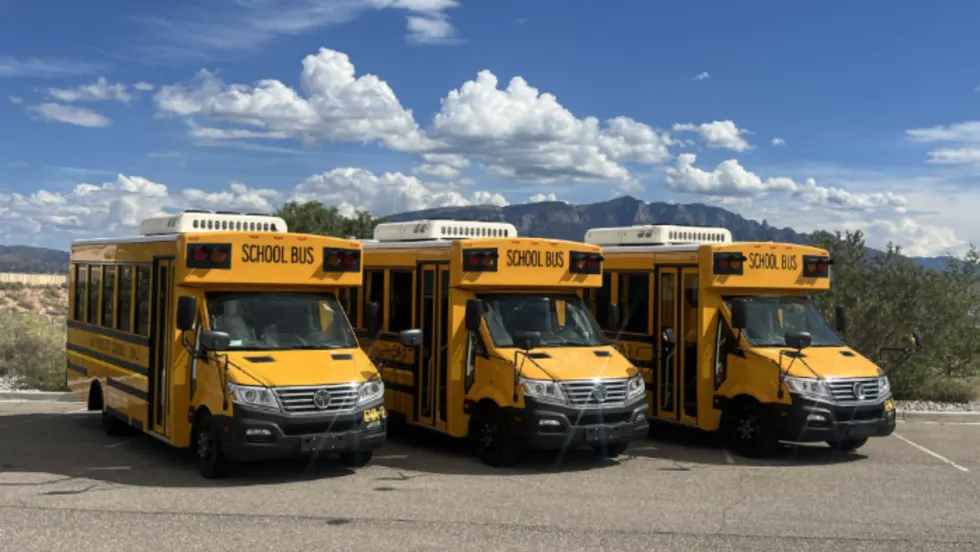
GreenPower Expands New Mexico EV Pilot With Larger Buses, V2G Testing
After logging more than 17,000 electric miles in the first year, New Mexico’s statewide pilot is moving into its second phase with larger vehicles, continued charging evaluations, and more.
Read More →
Can EV-as-a-Service Help Fleets Scale Electrification?
Sustainability Partners CEO Adam Cain explains how matching EVs, charging infrastructure, and duty cycles can help fleets scale electrification.
Read More →
How EV-as-a-Service Is Moving Fleets Beyond Pilots
Adam Cain, president and CEO of Sustainability Partners, explains how EV-as-a-service can help fleets scale deployments by addressing duty-cycle requirements and charging challenges.
Read More →
PowerFlex, The Mobility House Join Forces to Advance Fleet Electrification
Two EV charging providers are joining forces to deliver a broader portfolio of energy management and fleet electrification solutions.
Read More →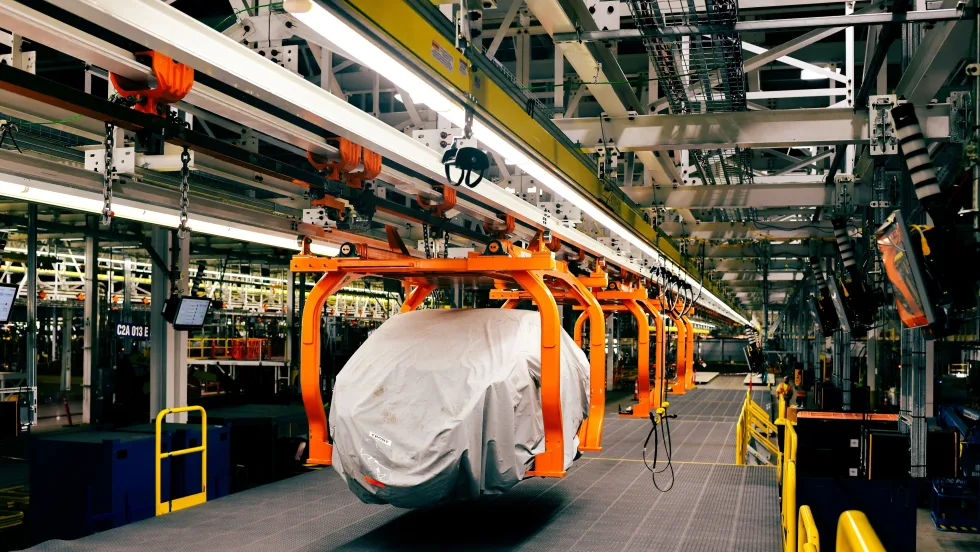
Ford Retools Louisville Plant for Fathom Electric Truck Production
Ford's $2 billion Louisville Assembly Plant overhaul introduces a three-part assembly process for the Fathom midsize electric truck, with production scheduled to begin in 2027.
Read More →
Merchants Fleet Reports 290M EV Miles as Fleets Navigate Changing Electrification Market
From millions in operating savings to hundreds of millions of EV miles, Merchants Fleet’s latest report reveals what’s working and what’s changing in fleet electrification.
Read More →
California District Commits to Electrify 25% of School Bus Fleet by 2028
One of the nation's largest school bus electrification projects to date demonstrates how grants, charging infrastructure, and public-private partnerships can help fleets transition to EVs at scale.
Read More →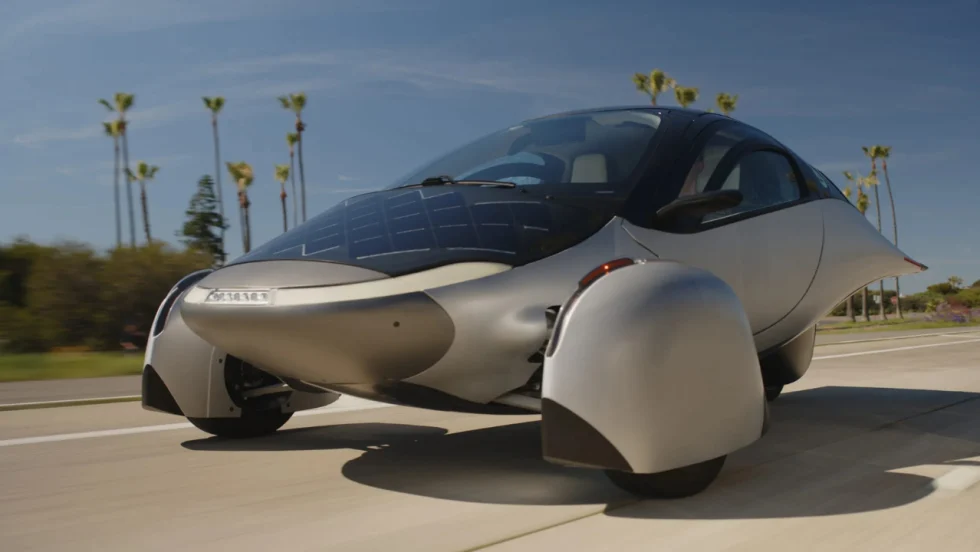
Aptera Orders Bodies and Chassis for Its First 40 Production Vehicles
Aptera Motors Corp. has issued purchase orders for the major structural components of its first 40 vehicles, and body and chassis components are expected to begin arriving in October.
Read More →