


New Batteries for GM's '71s
Important new developments in the design and manufacture of lead-acid automotive batteries, that could well remove the battery as a principal passenger car and truck maintenance problem, have been announced by General Motors' Delco-Remy Division at Anderson, Indiana.
Important new developments in the design and manufacture of lead-acid automotive batteries, that could well remove the battery as a principal passenger car and truck maintenance problem, have been announced by General Motors' Delco-Remy Division at Anderson, Indiana.
First, the division will supply as original equipment on about 80 percent of General Motors car divisions' 1971 model cars, the new Delco sealed side terminal (ST) battery. This new battery design was introduced by Delco-Remy in 1969, but has been available only in the after-market.
Also revealed by the GM Division is a new maintenance free battery which includes the sealed terminal design and, at the same time, incorporates important other new features. This latter battery will be a limited production unit and will be pioneered by the Pontiac Motor Division of GM on its 1971 Grand Prix SJ, and other models using the 455 cubic inch engine. Down the road, it is expected to be of far reaching significance to the battery industry.
Side Terminal Model
Most 1971 GM passenger cars and light trucks, as pointed out, will use the Energizer ST unit as original equipment. Seven models are available in three popular 12-volt group sizes and all can be adopted to fit most other passenger cars and light trucks with the simple installation of an adaptor which attaches to existing battery cables, or by installation of new ST battery cables.
The new side terminal construction with the sealed terminal connections is unique in the battery industry, with design and manufacturing concepts that, at this point, have not been adopted by any other battery manufacturer. GM's large Chevrolet Division will go to this new Energizer "across the board" with its 1971 line of cars including a specially designed unit for the new Vega 2300.
Electrical terminals are recessed in the side wall of the battery, and are completely sealed when the cables are attached. Terminals on a conventional battery, located at each end of its top cover, are subject to corrosion buildup as a result of moisture, road splash, electrolyte spillage or spewing, and chemical gases emitted by the battery through the vent plugs. In their new location as the Energizer ST, terminals are protected from these conditions and the resulting power loss and poor connections.
Design and construction of the new component's cable connections make it possible for them to stay clean and tight indefinitely and to make available at all times "full power burst" from the battery to the vehicle electrical system. At the same time, the new Energizer ST has the ability to maintain a high state of charge because the improved terminal connections help to keep the battery's charge acceptance from the generator at a maximum by elimination of harmful resistances.
Importance of the new design concept is underscored by the fact that sound, healthy batteries often are blamed for faulty cranking ability when the real culprit is power-robbing corrosion at the cable terminal clamps. Often this corrosion under the clamps cannot be visually detected. Under conditions of corrosion with resulting poor conditions, no matter how much power is in the battery, good cranking performance becomes impossible.
Other advantages of the new Energizer ST are improved under-hood appearance and foolproof terminal connections during installation. The latter is accomplished with the use of different size connection studs and color coded cable ends.
Maintenance-Free Model
In the maintenance-free model, which will be a Pontiac exclusive in 1971, entirely new grid plate materials and new manufacturing techniques insure a sealing-in of a lifetime supply of electrolyte. This eliminates the need for periodic inspection and the addition of water. At the same time, the sealed terminal construction of the battery eliminates problems usually associated with terminal corrosion, thus making it free of the normal maintenance requirements of a conventional unit. In addition, self-discharge of the battery when not in use for long periods of time is also diminished.
Consequently, this new power source represents a major step in minimizing potential battery failure through overfilling, under-filling, contamination and faulty terminal connections.
As with a number of Pontiac "firsts" this will doubtless be in demand in the other GM divisions once its value has been tested. And in terms of the fleet market, it should stimulate a great demand once Delco-Remy has made it available for the general auto aftermarket.
Originally posted on Automotive Fleet
More Batteries/Tech
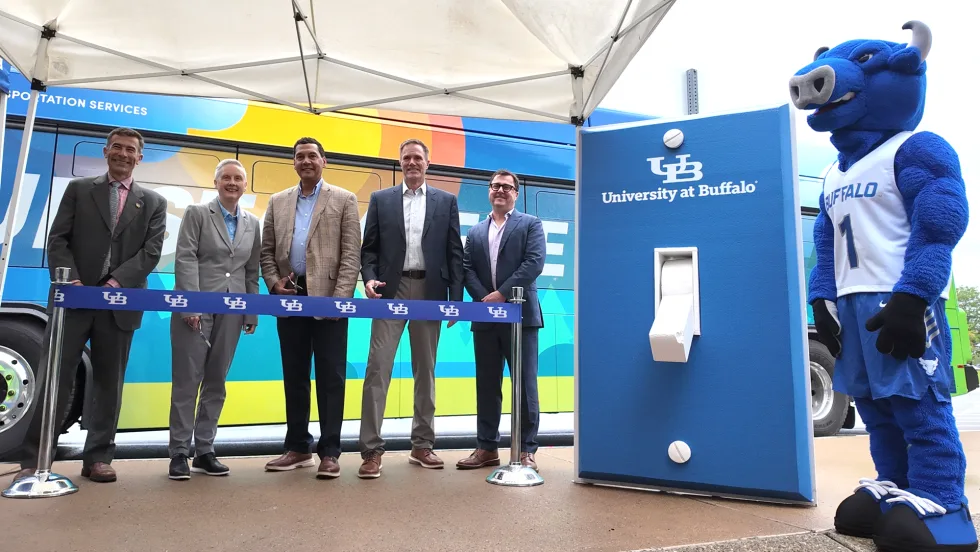
University at Buffalo Deploys 8 Electric Buses, 10 Chargers
The university, WeDriveU, and Zenobē welcomed the first electric buses to the school’s fleet under its zero-emissions roadmap.
Read More →
Samsung SDI Takes Full Control of GM Battery JV as Indiana Plant Pivots to Energy Storage
Samsung SDI is taking full control of its Indiana battery plant with GM, marking a major shift from the EV-focused joint venture Charged Fleet first covered in 2023.
Read More →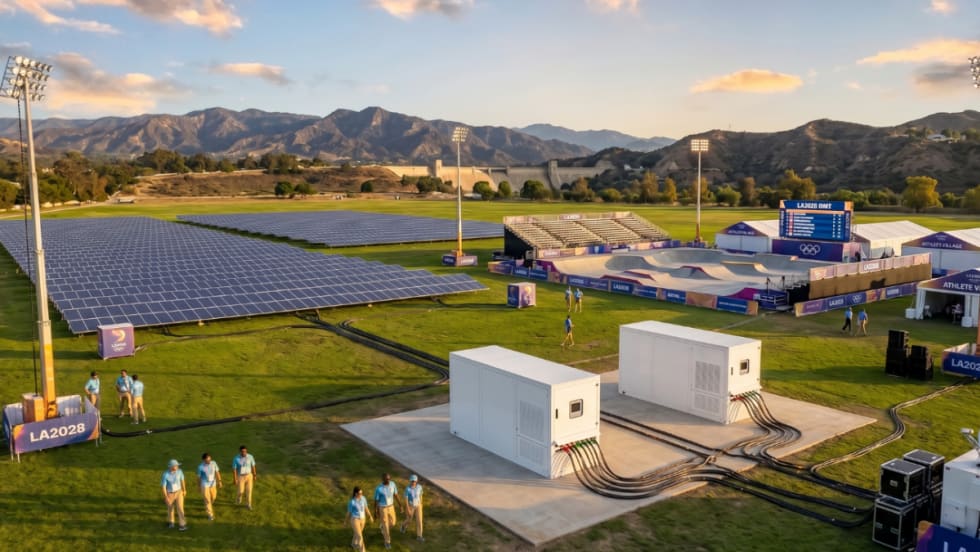
Xos White Paper Asserts LA Olympics Will Lack Enough EV Chargers
The commercial EV fleet company recommends some faster and more flexible remedies to relieve the anticipated shortfall.
Read More →
New EV and Hybrid Training Available For Auto Technicians
The curriculum covers those skill sets highly sought by electric fleet operations.
Read More →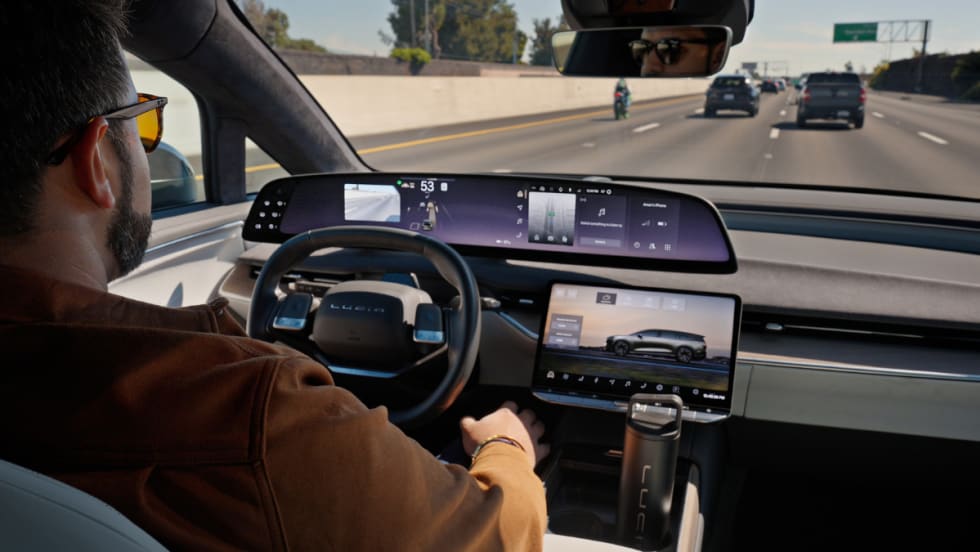
Lucid Adds Hands-Free Highway Driving, Software Updates To Gravity SUV
Hands-free drive assist makes highway driving more comfortable while keeping drivers attentive to the road.
Read More →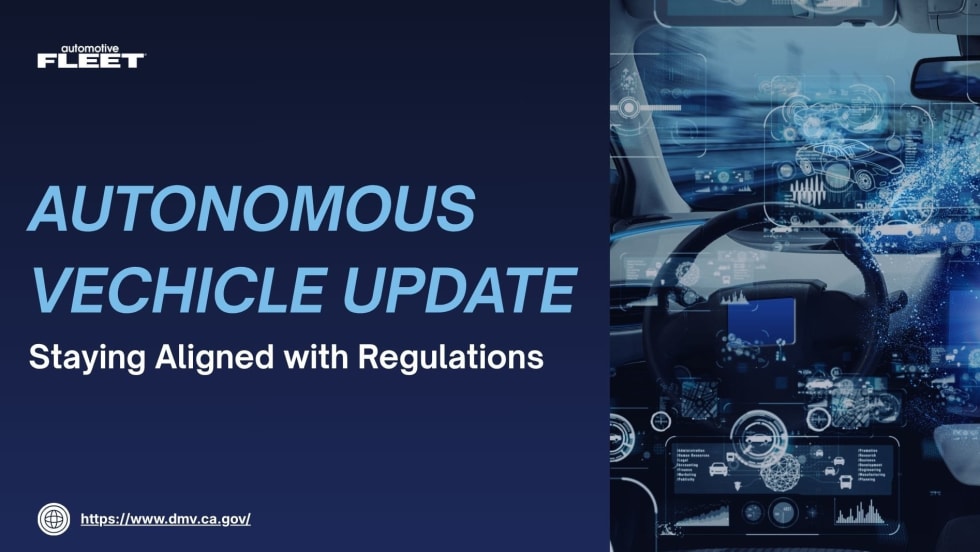
California Adopts Sweeping New Autonomous Vehicle Regulations
Updated DMV rules open the door for heavy-duty AV testing and deployment while strengthening safety standards, emergency response coordination, and manufacturer accountability.
Read More →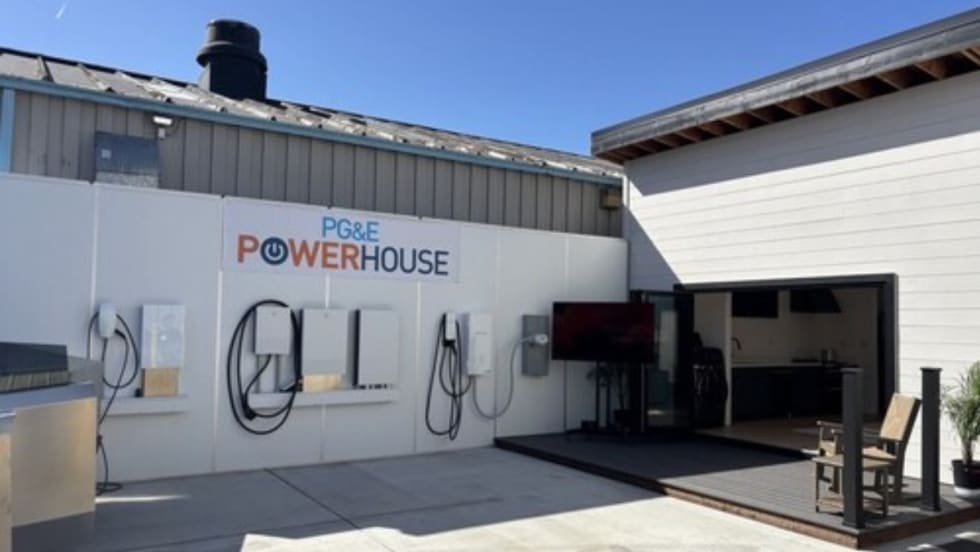
All Electric Test House Could Ease Path To EV Usage
An experimental model home shows how residential charging could enable electric fleet operations by allowing drivers to take EVs home.
Read More →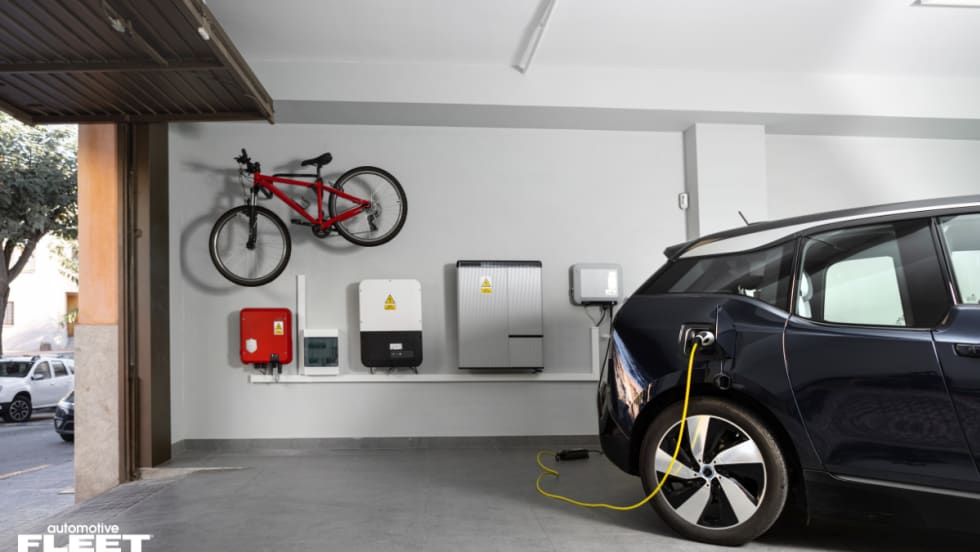
WEX Launches Solution to Close EV At-Home Charging Visibility Gap
At NAFA I&E 2026, WEX debuted an EV solution that adds a layer of verification to help fleets track, validate, and trust every at-home charging dollar.
Read More →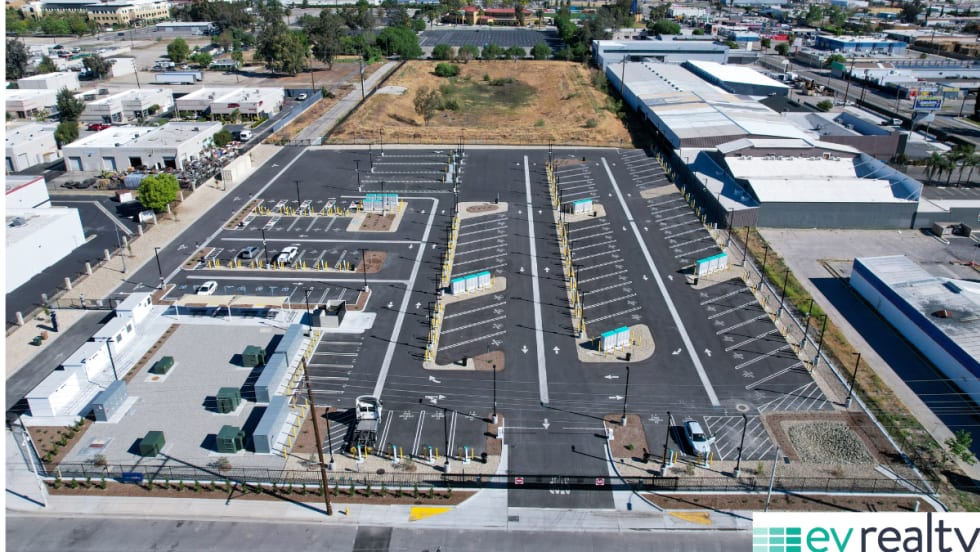
Major Truck Charging Hub Opens In Southern California
EV Realty opens a 76-port, 9 MW truck charging hub in San Bernardino, designed to support more than 200 medium- and heavy-duty vehicles per day with CCS and MCS capability.
Read More →
Software Speeds Up EV Fleet Charging
Learn about a new level of energy management that helps fleets control costs while maintaining service reliability. [VIDEO]
Read More →