



RELATED: CARB Fines Fleets for Hiring Trucks Not Meeting California Emissions Standards
Navigating California's New Ruling on Diesel Emissions
On Dec. 11, 2008, California adopted the most stringent emission standards in the nation for on-road heavy-duty diesel trucks with a gross vehicle weight rating (GVWR) greater than 14,000 lbs.
March 24, 2009

Yet, while the cost to comply with the CARB ruling is steep, noncompliance is far more expensive, with penalties ranging up to $10,000 per violation, adding up to staggering fines depending on the number of fleet trucks that don't meet regulations.
Photo: Work Truck
3 min to read
Beginning Jan. 1, 2011, the California Air Resources Board (CARB) ruling will require truck owners install diesel exhaust retrofits that capture pollutants before they are emitted in the air, with nearly all vehicles to be upgraded by 2014. Owners must also replace engines older than the 2010 model-year according to a staggered implementation schedule that extends from 2012-2022.
This ruling applies even if a company is headquartered out of state; while in California, the company's diesel trucks must adhere to CARB mandates.
Funding Helps Ease Compliance
While California offers $1 billion in funding to help business owners achieve compliance, companies should be prepared to invest a significant amount of money to bring a diesel fleet up to code. Just ask Ron Piombo, vice president and facilities manager for Marin Sanitary Service, a waste disposal and recycling firm based in San Rafael, Calif.
Piombo, a veteran fleet manager of 38 years, got a head start on CARB compliance when California adopted the Waste Collection Rule in 2003, which applied standards similar to the latest CARB ruling to the waste collection industry. This rule required companies to implement a phased-in schedule from 2004 through 2010 to achieve particulate matter (PM) reductions of up to 85%.
The process hasn't been cheap. Since 2004, Marin Sanitary Service, which operates approximately 150 trucks, has retrofitted approximately 100 trucks at a total cost of just over $250,000 to date. Marin has also accelerated its truck replacement cycle from an average of 15 years down to 8-9 years.
Yet, while the cost to comply with the CARB ruling is steep, noncompliance is far more expensive, with penalties ranging up to $10,000 per violation, adding up to staggering fines depending on the number of fleet trucks that don't meet regulations.
Achieving Compliance
So how do you navigate the latest CARB ruling to ensure your fleet's compliance and avoid costly penalties? Piombo offers these tips:
If you're based in California or operate vehicles in the state, accept the fact that you must deal with the CARB ruling. "You can't bury your head in the sand and think it's not going to happen or we don't have to deal with this," advises Piombo. "It's here. Now you need to think through how you'll prepare for it."
Seek guidance from your trade association. "We've been very fortunate to have our [California Refuse and Recycling Council] association, which has been in tune with this issue, cutting through a lot of the paperwork and putting out the information where we fleet managers can understand it a lot better," says Piombo.
Create a plan and build a retrofit and truck replacement schedule. "Proper planning keeps you from having to deal with paying penalties," Piombo explains. "Attend meetings when you get the notices [from the state] and open your mind to it and know you must comply and start building a schedule and looking into the future. The State of California is really helpful by giving you a lot of the information as needed."
Work with knowledgeable retrofit vendors. "How knowledgeable is the individual who wants to give you the service? That's something I look for in all my vendors," says Piombo. "Anybody can handle a product. You must have an individual who knows what he or she is talking about, understands the latest CARB regulations, is willing to work for you, and will be there when you call. When I didn't understand something or wasn't sure how my timing was, I would call my vendor, who was right on the ball and produced very well."
Yet the ultimate responsibility for compliance lies on the fleet manager, cautions Piombo. "You can't depend on everybody 100%. You have to do your homework yourself. As fleet managers, we have a lot of other issues to deal with. You could probably spend 60% to 65% of your time just on [CARB compliance] some days and weeks. You have to determine and know that the people you are working with are taking you in the right direction."
Originally posted on Work Truck Online
Subscribe to Our Newsletter
More Legal/Legislative

California Governor Approves Instant ZEV Rebates For First-Time Buyers
That instant rebate is the centerpiece of a broader $600 million package Governor Newsom signed into law, keeping California active in the global clean transportation race.
Read More →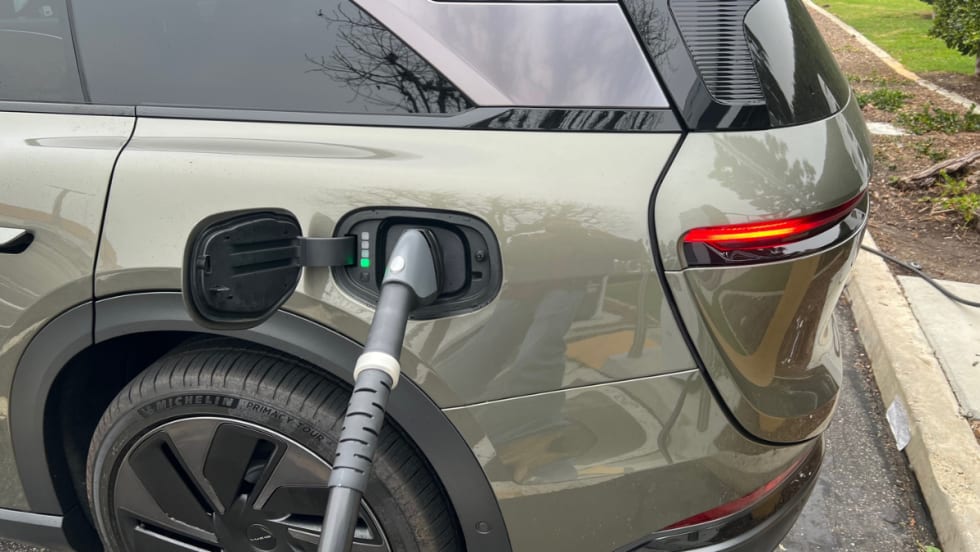
Used EVs Set Wholesale Sales Record In Q1
Rising gas prices may have boosted demand last month, as dealers pursued potential opportunities with more affordable used EVs.
Read More →
OEMS Expose Overdue EV Truths
Recent announcements from two automakers underscore a significant shift in the electric vehicle market, driven by EV losses and changing strategies. [VIDEO}
Read More →
The Freedom Era For Electric Vehicles
Season 2 Episode 1 of The Off-Peak premieres as the electric vehicle market no longer benefits from federal tax credits that expired at the end of Q3 2024. What does this mean for the future appeal of EVs?
Read More →
New Research Shows Renewed Potential And Tolerance For EVs
A new EV consumer survey finds partisan resistance is easing, but concerns around cost, incentives, and charging access still shape buyer interest.
Read More →
2025 Generated Big Headlines In The EV World
The EV industry entered a new more nuanced phase defined by realities and practical outcomes after a few years of grand visions, media hype, and bold investments.
Read More →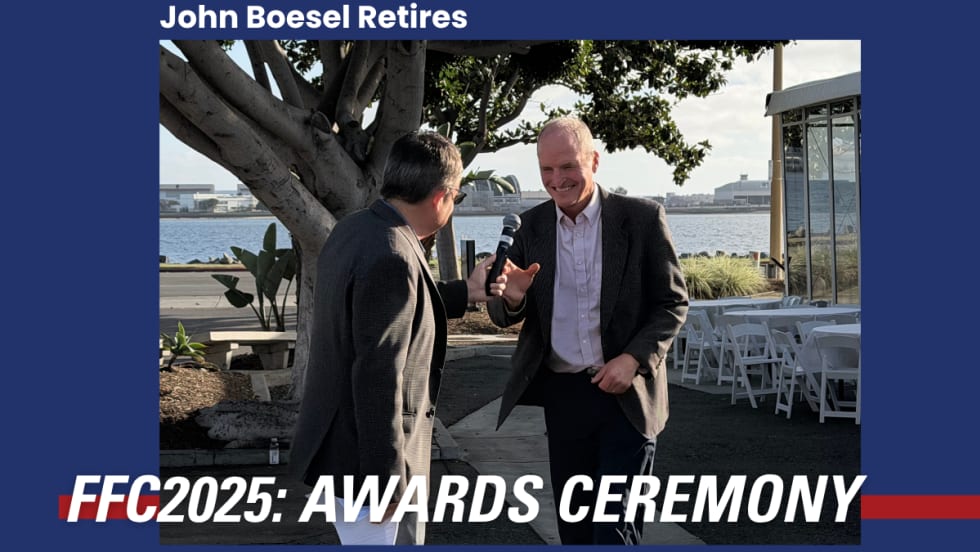
John Boesel Recognized at 2025 Fleet Forward Conference
Bobit recognized John Boesel, CEO of Calstart, who is retiring after over three decades of service.
Read More →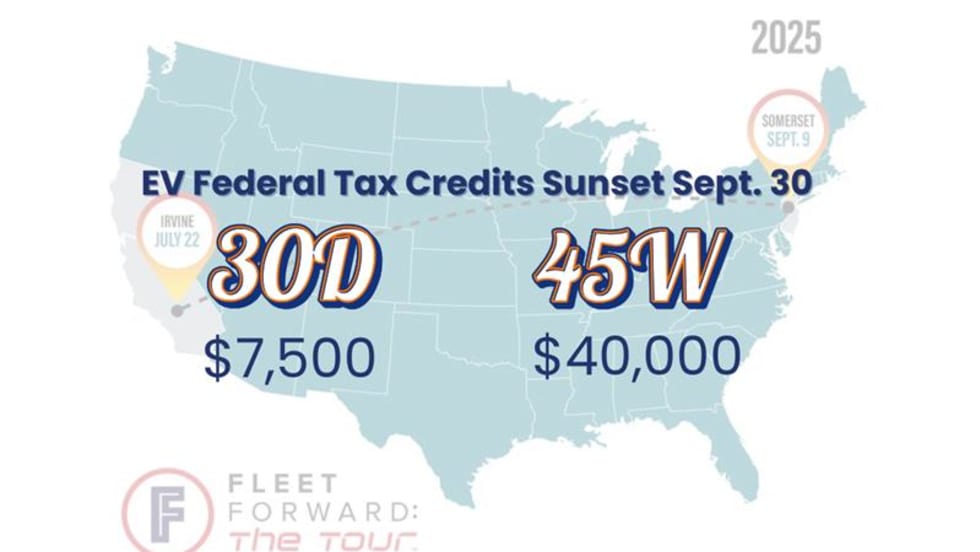
Final Push for Federal EV Incentives Highlighted at Fleet Forward Tour NJ Stop
Fleet managers in the Northeast will have a timely opportunity to take action on electric vehicle purchases at the upcoming Fleet Forward Tour stop in Somerset, NJ, on Sept. 9.
Read More →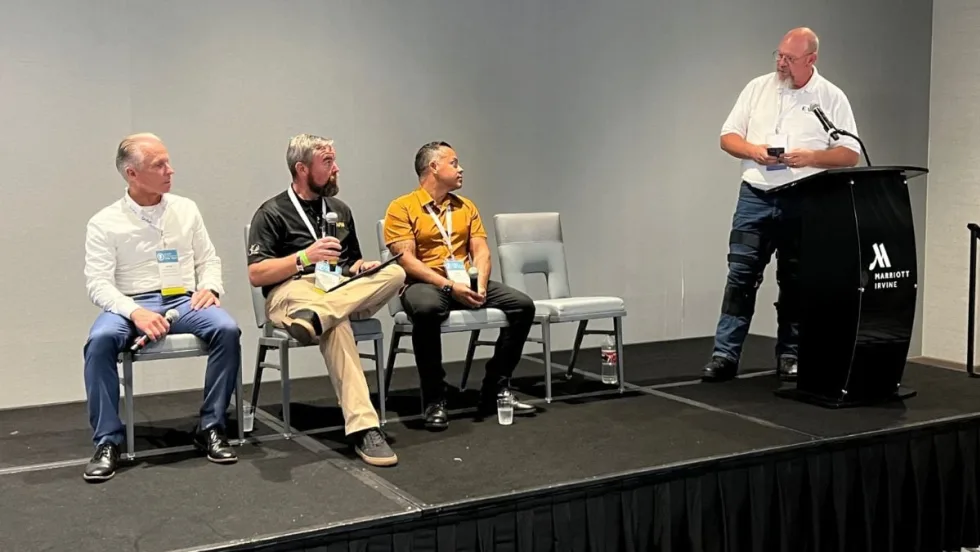
Latest Hard Realities, Top Pressures For Electric Fleets
Speakers and experts at Fleet Forward: The Tour shared hands-on, hard-won insights on how fleet operations are handling tariffs, EV charging, rules and regs, and safety issues.
Read More →
Mobility 360 Panel to Define the Fleet Industry’s Next Tipping Point
At the 2025 Fleet Forward Conference, experts in capital, policy, and data will assess which trends are transforming fleet.
Read More →