


Missing Out on EV Fleet Funding and Getting the Infrastructure Wrong: A How Not-To Guide
Amid waves of data and connectivity, using the right software will determine how smoothly a fleet transitions to electric vehicles.
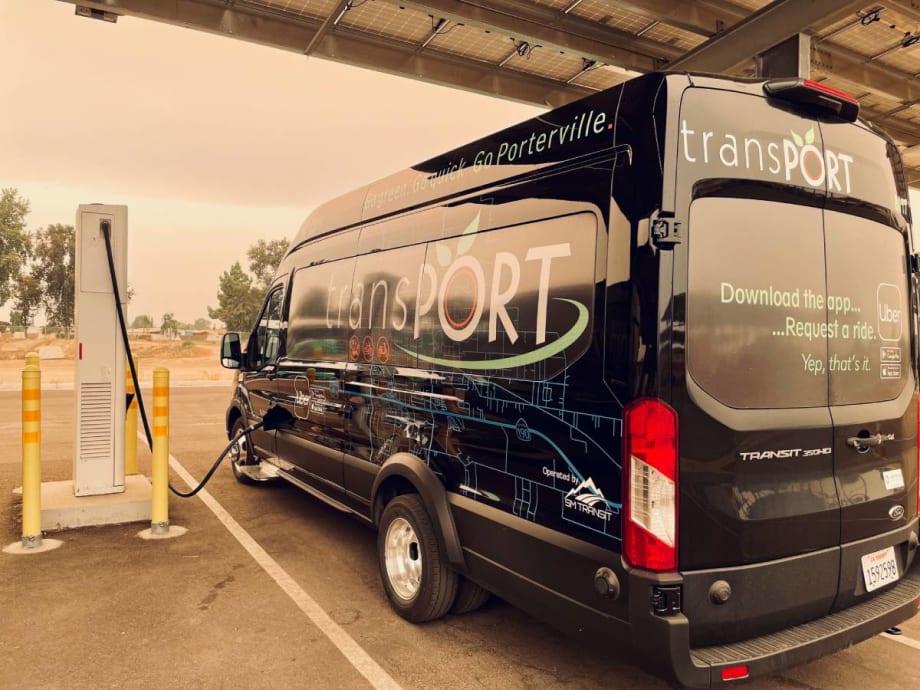
Interoperability between EVs and chargers can be ensured by adopting a software-driven approach that relies on connectivity between chargers, EVs, and software.
Photo: EV Connect

The management and operations dynamics of EV fleets start with shifting from a focus on hardware to software. ICE vehicles are dominated by moving parts, and maintenance and repair intervals revolve around replacing fluids. Conversely, electric vehicles contain fewer moving parts, and software plays a much more important role.
File photo: EV Connect
The commercial fleet vehicle market is growing rapidly. Reports show 75% of the 200 largest US fleet operators — responsible for about 1.2 million vehicles — have committed to decarbonization targets for public fleets, and bans on internal combustion engine (ICE) vehicles are pushing on the supply side.
Investing in electric vehicles (EVs) and related infrastructure is active across all fleet segments. As the market shifts towards electricity as a transportation fuel, EVs will be expected to do the same jobs as their ICE counterparts.
After all, the purpose of fleet vehicles, electric or not, is to accomplish the tasks demanded of them. An essential part of the learning curve for fleet operators is understanding how to deploy reliable charging infrastructure, which is quite unlike traditional fueling.
In short, fleet operators must balance market and regulatory pressure and the risk of losing funding if they do not act fast to mitigate the risk of making small hasty mistakes that will metastasize into big problems later.
The management and operations dynamics of EV fleets start with shifting from a focus on hardware to software. ICE vehicles are dominated by moving parts, and maintenance and repair intervals revolve (pun intended) around replacing fluids.
Conversely, electric vehicles contain fewer moving parts, and software plays a much more important role. Everything around EV charging — including energy management, grid/utility interaction, and real-time charger and vehicle operations data — manifests through data flows and digital transactions.
These waves of data rely on a software-defined connective fabric that allows disparate hardware elements to interact and work together seamlessly. To succeed, fleet operators new to EVs must spin up electric fleets with a clear understanding of how these new components function together and how to manage the entire ecosystem using unfamiliar software and metrics.
While the transition may seem daunting, getting the basics right is the root of success. This article is focused on the fundamental questions fleet owners and operators in transition to EVs must address.
How Do We Scale and Connect EVs and Chargers to Ensure They Operate?
Instead of all-or-nothing transitions, most fleet operators gradually introduce EVs into their ICE fleets.
For the EV portion of the motor pool to be productive quickly, operators need a technology ecosystem that ensures reliable, consistent, and predictable operation, regardless of vehicle tasking. In the long run, that technology ecosystem must provide a path to scaling fleet charging systems that are sophisticated enough to ensure charging station health, manage energy usage, incorporate route planning, and so on.
The complexity is amplified when deploying at multiple sites with chargers and vehicles from various original equipment manufacturers (OEMs) and integrating those with ICE vehicle fleet management systems.
During the planning phase, fleet operators must be able to evaluate vehicle requirements, the appropriate charging equipment, management platform needs, and power requirements; for the initial rollout and with an eye toward how those needs will evolve as more EVs join the fleet.
Interoperability between EVs and chargers can be ensured by adopting a software-driven approach that relies on connectivity between chargers, EVs, and software. Achieving interoperability requires software platforms that eases the interchange between chargers, EVs, and fleet systems. This approach is vital for fleet operators new to EVs, particularly those who must construct the entire ecosystem without a clear understanding of how these new components function together.
How Do We Make our Electric Fleet Reliable and Manageable?
Fleet charging, not unlike EV charging generally, relies on a complex, service-oriented environment that depends on a wide variety of players to produce value.
Beyond reliability, fleet charging requires the integration of real-time data exchange between relatively new EV management systems and existing fleet management platforms.
While a fleet charging solution may produce reliable vehicle performance, if that system requires administrators to pay attention to yet another pane of glass, it will fail the manageability test. An API-enabled system for fleet EVs, however, provides fleet managers with the in-depth information and analysis required to maintain their EV fleet ecosystems, but it can do so without introducing yet another application or platform.
The installed base of telematics, maintenance, driver scheduling, and route planning software is crucial to ensuring fleet efficiency and up-time. With EVs, the most critical parameters around monitoring and communicating data on location, routing, driver behavior, and task status are no different from those in ICE fleets.
And while the vehicle hardware is very different, adding EVs to a fleet primarily requires reworking the longstanding petrochemical fueling model. As such, charging should not be seen as a revolution in fleet fueling but rather as a change to the fueling inputs of existing fleet management infrastructure.
While many other aspects of EV fleets remain the same, like regular maintenance, component health telemetry checks and safe driving practices, the maintenance of charging infrastructure is new.
The closest analogy to EV charger maintenance is ensuring that gas pumps are in working order, but the ownership and maintenance business of the two are wildly different. Aside from sourcing the electrons from a utility company, that utility generally does not maintain fleet chargers at the depot or lot.
For optimal performance and customer satisfaction, a comprehensive warranty for EV chargers is invaluable. While warranties can vary between manufacturers and models, a good offering should include not only hardware replacement assurance but also support and service, including troubleshooting, parts, and repair, as well as management platform support.
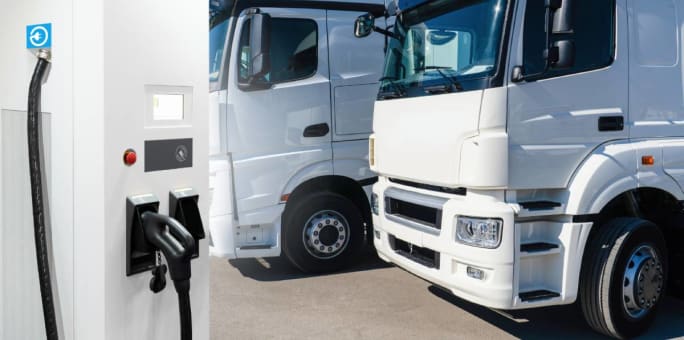
Beyond reliability, fleet charging requires the integration of real-time data exchange between relatively new EV management systems and existing fleet management platforms.
Photo: EV Connect
Will Our EV Fleet Deployment Succeed?
Generically, success can be described as a reliable, long-term, hassle-free, and cost-effective operation.
For electric fleet vehicles, this means tracking and acting on a new set of performance metrics. It also means a new set of parameters to optimize fueling, routing, and charging capacity as the central metric changes from gallons to electrons. Some of the new parameters by which to measure EV fleet performance are fuel cost savings, reduced carbon emissions, less noise pollution, and more linear maintenance costs. When all these factors can be easily integrated with fleet management systems, performance and value follow.
As such, a high-quality software foundation is a prerequisite for reliability, whether operators are testing with limited deployment, are adding more or new EV platforms to their fleets, or are finalizing a switch to an all-EV motor pool.
In all cases, software makes it happen: From real-time insights into depot-specific data, down to the lowest level of operation and control of fleet vehicles or chargers, to dynamic power allocation that maximizes fleet readiness with high-resolution energy-need data, to calculating the real-time total cost of ownership.
As a digital connective tissue between vehicles, charging stations, telematics, and all other aspects of fleet operation, starting with the right software is the key to transitioning to electric fleet vehicles.
Jon Leicester is vice president of fleets at EV Connect.
Originally posted on Automotive Fleet
More Electric Vehicles
EV Charging Use Is Outpacing Infrastructure Growth
ChargePoint’s 2026 Charging Forward Report points to rising charger use, higher-powered charging, commercial vehicle electrification, and energy-management technology. Here’s what fleets should know.
Read More →
EV Realty Names Henrik Holland President as Charging Platform Expands
The former Prologis Mobility and Shell executive will help expand EV Realty’s truck charging business and move its power-first infrastructure model into autonomous vehicle depots and other fleet sectors.
Read More →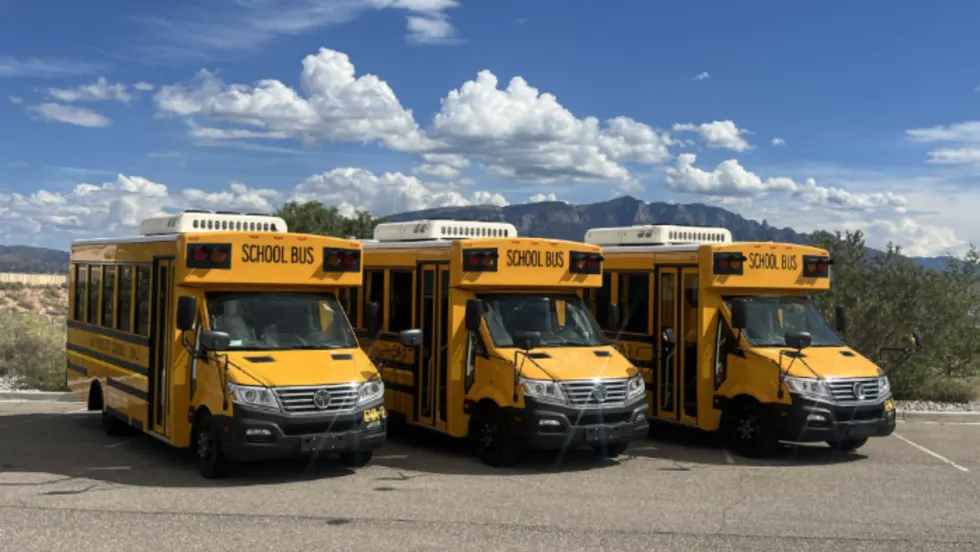
GreenPower Expands New Mexico EV Pilot With Larger Buses, V2G Testing
After logging more than 17,000 electric miles in the first year, New Mexico’s statewide pilot is moving into its second phase with larger vehicles, continued charging evaluations, and more.
Read More →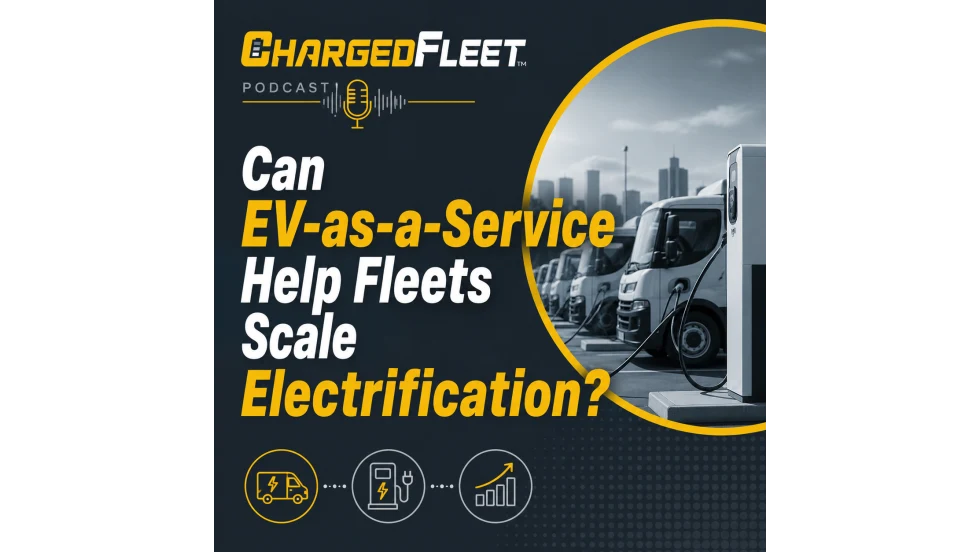
Can EV-as-a-Service Help Fleets Scale Electrification?
Sustainability Partners CEO Adam Cain explains how matching EVs, charging infrastructure, and duty cycles can help fleets scale electrification.
Read More →
How EV-as-a-Service Is Moving Fleets Beyond Pilots
Adam Cain, president and CEO of Sustainability Partners, explains how EV-as-a-service can help fleets scale deployments by addressing duty-cycle requirements and charging challenges.
Read More →
PowerFlex, The Mobility House Join Forces to Advance Fleet Electrification
Two EV charging providers are joining forces to deliver a broader portfolio of energy management and fleet electrification solutions.
Read More →
Ford Retools Louisville Plant for Fathom Electric Truck Production
Ford's $2 billion Louisville Assembly Plant overhaul introduces a three-part assembly process for the Fathom midsize electric truck, with production scheduled to begin in 2027.
Read More →
Merchants Fleet Reports 290M EV Miles as Fleets Navigate Changing Electrification Market
From millions in operating savings to hundreds of millions of EV miles, Merchants Fleet’s latest report reveals what’s working and what’s changing in fleet electrification.
Read More →
California District Commits to Electrify 25% of School Bus Fleet by 2028
One of the nation's largest school bus electrification projects to date demonstrates how grants, charging infrastructure, and public-private partnerships can help fleets transition to EVs at scale.
Read More →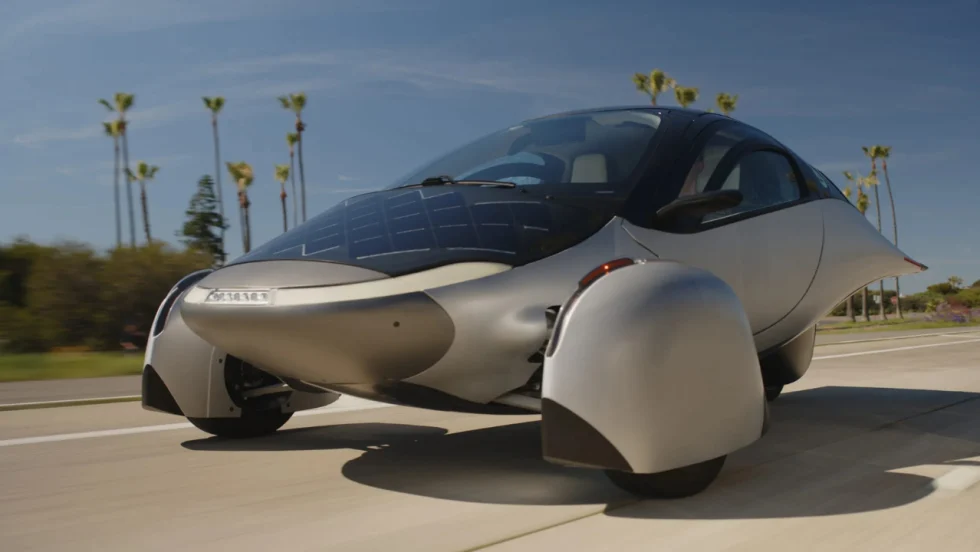
Aptera Orders Bodies and Chassis for Its First 40 Production Vehicles
Aptera Motors Corp. has issued purchase orders for the major structural components of its first 40 vehicles, and body and chassis components are expected to begin arriving in October.
Read More →