


A How Not-To Guide: Missing Out on EV Fleet Funding and Getting the Infrastructure Wrong
How Increased CAFE Standards Will Affect Fleets
The year 2026 will mark a turning point with multiple regulations converging to push for greater fuel economy in cars and trucks.
by Tim Cengel, Union Leasing
August 3, 2023
Several new regulations are coming to fruition that will impact automakers.
Photo: Automotive Fleet
4 min to read
You may have noticed that electric vehicle adoption is often debated and sometimes heated. Regardless of the debate, we’ve likely gone too far to turn back now.
With the regulatory pressures ramping up over the coming years, the automakers will have no choice but to continue massive investments and transition to more EV models in the future.
Especially when it comes to cars and trucks. In 2026 you will see the impact of several regulations coming together to put immense pressure on the automakers to increase fuel economy across their fleet.
CAFE and ZEV Standards: A Shift in Auto Industry
First, NHTSA sets the Corporate Average Fuel Economy (CAFE) standards. The rule announced on April 1 states that the industry fuel economy of 49mpg will be in place for passenger cars and light trucks in the model year 2026.
A recently proposed rule from NHTSA adds that car manufacturers would be required to achieve a 2% per year increase in fuel efficiency for the 2027-2032 model years, while light trucks would need a 4% per year improvement during the same period.
This represents a substantial increase over today’s average of around 30 mpg. A recent article in the Detroit News stated General Motors and Stellantis had paid over $300 million in fines to NHTSA last year, so there are big implications to missing the mark on CAFE.
In addition to CAFE, the California Air Resource Board (CARB) drives the zero-emission vehicle (ZEV) standards.
Last year, the Biden Administration reinstated CARB’s waiver to allow states to set their standards, which are more strict than Federal Standards.
In 2026, 35% of vehicles sold will be required to emit zero emissions. By 2035 that ramps up to 100%.
Currently, EV sales are higher in California than in the rest of the country. In 2022, nearly 16% of new vehicle sales in California were EVs, substantially higher than around 5% for the rest of the country.
There will be an enormous impact if states that have not adopted the California ZEV program agree to follow the same 35% standard.
The Next Few Years Will Shape the EV Industry
It’s been reported that Tesla sold $1.78 billion in carbon credits to automakers in 2022 helping it offset its failure to meet carbon emissions.
So, 2026 is a big year with CARB and CAFE putting immense pressure on automakers to reconfigure their fleet to meet the new requirements.
This is already happening with some OEMs that have changed the fleet mix this past year.
Fleets can expect the following changes in the next few years:
Those OEMs that build high mpg trucks and vans will continue to change their mix across the fleet to avoid being penalized. It’s been reported that Tesla sold $1.78 Billion in carbon credits to automakers in 2022 helping them offset their failure to meet carbon emissions. This means the fines they faced from CARB were even higher.
A larger quantity and variety of EV models will be introduced to meet the 35% ZEV standard starting in 2026.
A reduction in the number of internal combustion models coming to market as powertrain investments are focused on EV models.
Less allocation for V8 engines in light-duty pickups and vans. We hear that the Big Three are limiting the number of V8 engines allocated to dealers and customers.
Dealers will not stock higher mpg vehicles, especially in ZEV states. A recent Stellantis report, it will not stock gas Wranglers in ZEV states.
As we move toward 2026, you may have to purchase or deliver those high mpg vehicles outside of ZEV states. I have recently had to divert certain orders or the OEM would cancel them.
We already see reduced incentives or higher prices on high mpg models and expect that to continue. This could become a strategy to discourage their use.
Karl Brauer, executive analyst at iseecars.com, added, “We’re already seeing a shift in vehicle availability, with non-hybrid Jeep Wranglers and Grand Cherokees not being sent to California and 13 other states with California emissions standards. We’ll see more of this distribution pattern in the coming years, with ZEVs slowly gaining distribution and availability prominence over internal combustion vehicles.”
The situation may reverse if consumers fail to adopt these vehicles, leading to automakers facing a growing inventory of unsold ZEVs.
“A change in the political climate could also reverse course, as we’ve seen recently. But unless and until market or political forces change the EV transition it will be increasingly difficult to purchase traditional gasoline-powered vehicles with V8 or V6 engines,” Brauer said.
Originally posted on Automotive Fleet
Subscribe to Our Newsletter
More Legal/Legislative
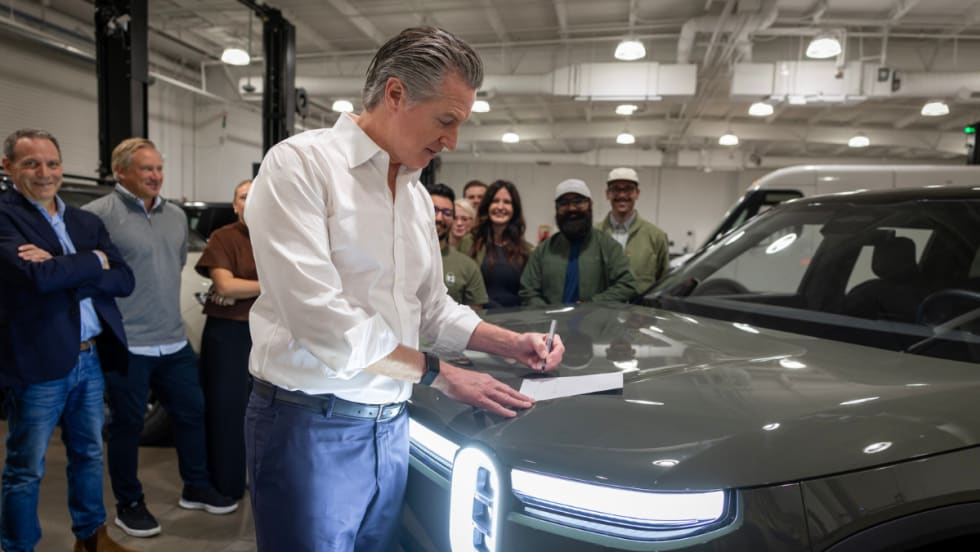
California Governor Approves Instant ZEV Rebates For First-Time Buyers
That instant rebate is the centerpiece of a broader $600 million package Governor Newsom signed into law, keeping California active in the global clean transportation race.
Read More →
Used EVs Set Wholesale Sales Record In Q1
Rising gas prices may have boosted demand last month, as dealers pursued potential opportunities with more affordable used EVs.
Read More →
OEMS Expose Overdue EV Truths
Recent announcements from two automakers underscore a significant shift in the electric vehicle market, driven by EV losses and changing strategies. [VIDEO}
Read More →
The Freedom Era For Electric Vehicles
Season 2 Episode 1 of The Off-Peak premieres as the electric vehicle market no longer benefits from federal tax credits that expired at the end of Q3 2024. What does this mean for the future appeal of EVs?
Read More →
New Research Shows Renewed Potential And Tolerance For EVs
A new EV consumer survey finds partisan resistance is easing, but concerns around cost, incentives, and charging access still shape buyer interest.
Read More →
2025 Generated Big Headlines In The EV World
The EV industry entered a new more nuanced phase defined by realities and practical outcomes after a few years of grand visions, media hype, and bold investments.
Read More →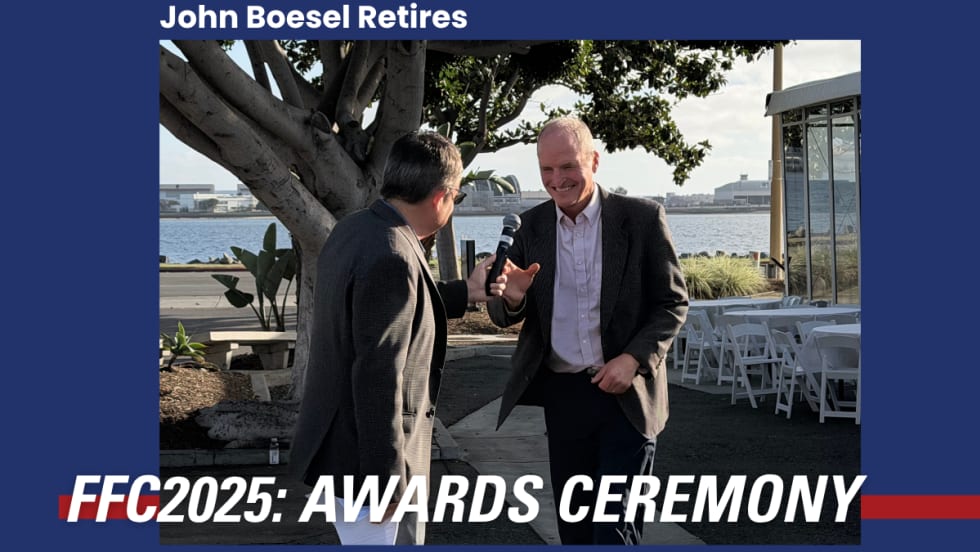
John Boesel Recognized at 2025 Fleet Forward Conference
Bobit recognized John Boesel, CEO of Calstart, who is retiring after over three decades of service.
Read More →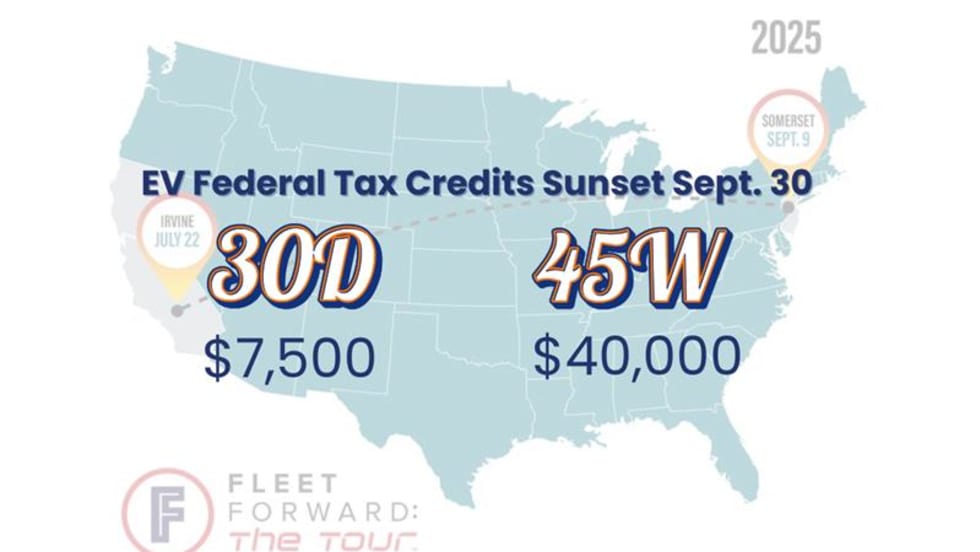
Final Push for Federal EV Incentives Highlighted at Fleet Forward Tour NJ Stop
Fleet managers in the Northeast will have a timely opportunity to take action on electric vehicle purchases at the upcoming Fleet Forward Tour stop in Somerset, NJ, on Sept. 9.
Read More →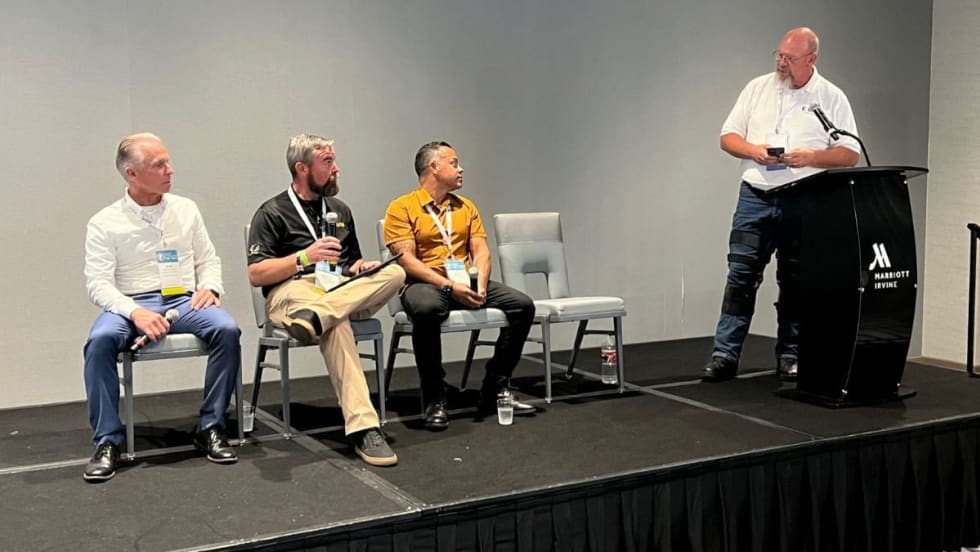
Latest Hard Realities, Top Pressures For Electric Fleets
Speakers and experts at Fleet Forward: The Tour shared hands-on, hard-won insights on how fleet operations are handling tariffs, EV charging, rules and regs, and safety issues.
Read More →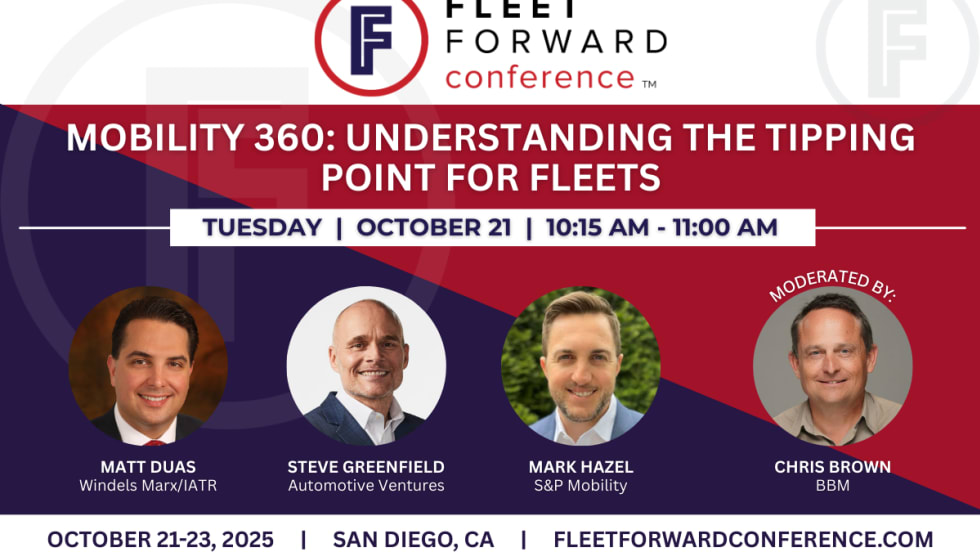
Mobility 360 Panel to Define the Fleet Industry’s Next Tipping Point
At the 2025 Fleet Forward Conference, experts in capital, policy, and data will assess which trends are transforming fleet.
Read More →