


How Electric Vehicles Will Help AstraZeneca Achieve Carbon Neutrality
As electric vehicles are gradually implemented into AstraZeneca’s fleet, a key component to EV adoption will include a focus on educating drivers about how the technology works.

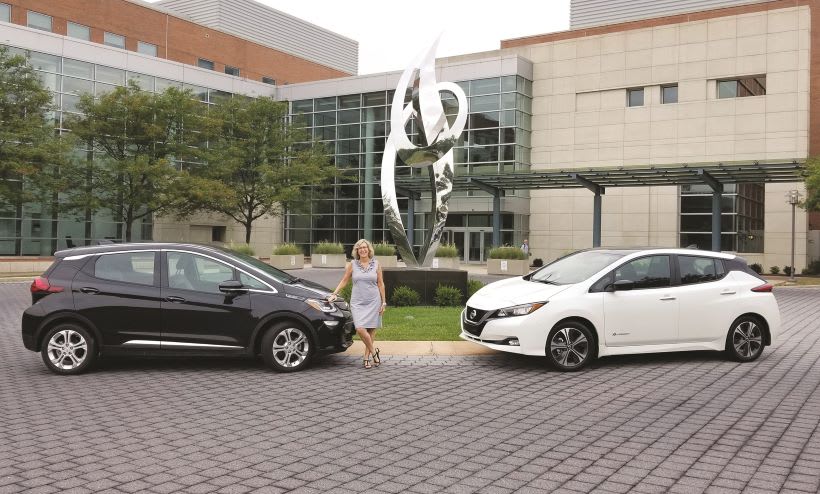
Barbara Zuroick, U.S. fleet and safety manager for AstraZeneca, with a Nissan Leaf and Chevrolet Bolt during a EV test drive experience at the company’s Wilmington Del. headquarters.
Photo: AstraZeneca
In January 2020, AstraZeneca publicly announced a commitment to have its entire global operations be carbon neutral by 2025 and carbon negative by 2030, according to the Pharmaceutical Company’s CEO Pascal Soriot.
Part of the ambitious strategy to reach this goal will include eventually having its entire global fleet operations operate entirely on electric vehicles by the 2025 deadline.
Barbara Zuroick, U.S. fleet and safety manager for AstraZeneca, is playing an integral role in the gradual rollout of EVs for the company’s U.S. fleet, which has been a continuously evolving process since it was first announced at the start of 2020.
“It’s a global initiative and an ongoing exercise that is a work in progress,” said Zuroick. “With regard to fleet, I work closely with my counterparts globally to identify implementation strategies, timelines, and change management efforts. We not only collaborate internally but externally as well, to ensure we are setting AstraZeneca up for success as we make this transformation.”
An Early Jump on Sustainability
AstraZeneca is no stranger to integrating more sustainable products into its fleet portfolio.
Before the company announced its global carbon neutrality commitment in 2020, in 2018 Zuroick helped spearhead an earlier fleet sustainability initiative in which she introduced hybrid-only vehicle replacement selectors for model-year 2019 vehicles and onward.

Barbara Zuroick
AstraZeneca operates a fleet of approximately 5,000 SUVs and cars, including several light trucks. Of this, Zuroick said roughly 3,900 of these assets will be hybrid-electric vehicles by the end of the first half of 2021.
“We’re proud of our commitment and the introduction of a hybrid-only selector was the start of the sustainability journey,” she said. “In 2019, one in every 428 hybrid-electric vehicles were purchased by AstraZeneca.”
Implementing this initiative required approval from the top down, with several considerations required to assess the company wide impact.
The transition ultimately proved to be successful and has helped create another path to the company’s current plan to transition to all-electric vehicles.
“It’s been very successful and very welcomed,” she said. “There was no pushback from my field drivers in acquiring hybrid vehicles. Now the next steps are going to be the introduction of the battery-electric vehicles.”
Preparing to Introduce EVs
Introducing battery-electric vehicles into a commercial fleet vehicle portfolio presents an entirely new, very broad range of challenges that fleet managers will have to overcome, which Zuroick of AstraZeneca has had to contemplate during the early stages of this carbon neutral initiative.
“This commitment will expose a new set of challenges and opportunities to solve for including the installation of home charging stations and reimbursement solutions for renters or multi-family homes,” she said. “These are the ongoing discussions with the industry experts that we are continuously learning about. It’s not all going to happen overnight, but AstraZeneca is committed to the journey.”
As electric vehicles slowly become introduced to the AstraZeneca fleet, a big component to the continued adoption of the technologies will include a focus on helping drivers understand the technology, as EVs present a very different set of skills to learn when compared to standard internal combustion engine or hybrid-electric vehicles.
“This space carries over into the integration with telematics or reporting on an app, where all that technology is going to have to be fine-tuned and operating properly,” she said. “This is new for all of us, and there will have to be education to the drivers about how some of the technology works in these cars.”
These conversations have required having discussions beyond senior leadership and will require a true cross-functional taskforce to operationalize the strategy, according to Zuroick.
“I have a team of people I talk to and right now we’re developing an implementation strategy,” she said.
According to AstraZeneca’s mission statement the company strives to create a meaningful difference in the lives of the patients it serves and the people who work for the company.
“So, whether its helping patients breathe better with respiratory solutions or providing more oncology products, we are continuously looking at all ways our Enterprise can make a meaningful difference,” said Zuroick.
Overcoming EV Infrastructure Challenges
Prior to AstraZeneca announcing its 2025 carbon neutrality goal, Zuroick said she had been test-driving EVs that OEMs had provided the company on a trial basis so she could get a better feel for the technology.
This subsequently brought on additional questions from Zuroick to consider with regards to adapting with the technology.
“These cars are very interesting to drive - I took them home, plugged them into my garage - you really have to get a feel for this type of technology to see what it’s all about,” she said.
This helped her understand more about the challenges that fleets and their drivers will have to overcome when beginning to incorporate these new technologies, with range anxiety being one of the biggest concerns.
“I wouldn’t want to be driving an EV in the middle of the desert and not be operating a fully charged vehicle,” she said. “Is the driver going to have to take some ownership and be thoughtful about what their driving distance will be? When we talk about education and change management efforts, these are things we’re going to have to address.”
She added that support from her FMC will be critical to how the company will look to gradually introduce electric vehicles into the fleet and bring about driver education of the technology.
“The integration of the charging stations is going to be key,” she said. “For large companies like AstraZeneca, the tracking, reporting, and billing is all going to have to be streamlined and seamless.”
She added that she is hopeful that U.S. lawmakers are more inclined to introduce legislation that will help make it easier for fleets to ease into the battery electric vehicle space.
“I’m hoping some of the electric vehicle discounts get extended, because I think we’ll get to the finish line faster as a world if we are encouraged by our nation’s leader,” she said. “This is an important step for all of us - we’re all responsible for the planet and reducing carbon emissions by introducing these electric vehicles into large fleets. I encourage all fleet managers to look into this.”
Originally posted on Automotive Fleet
More Electric Vehicles
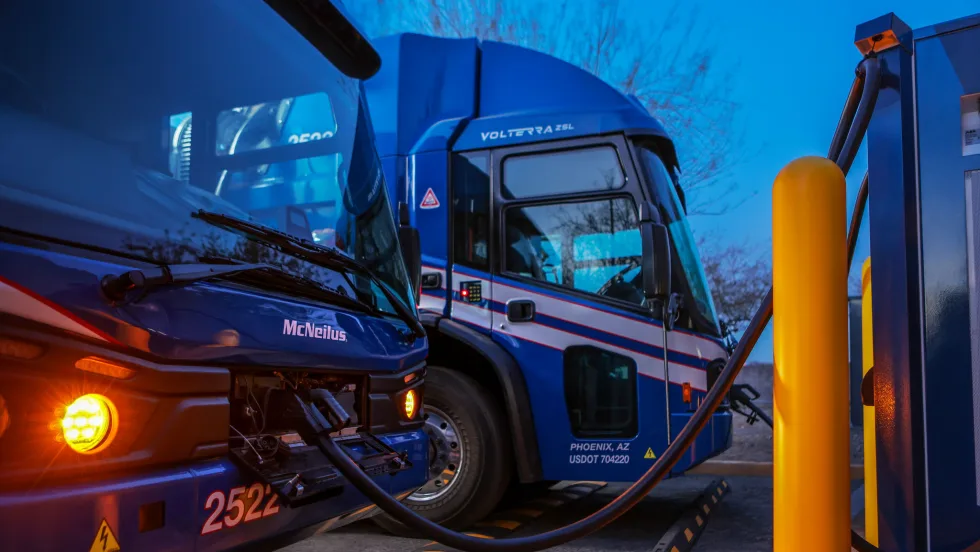
How Republic Services Decides Where Its Next Electric Trucks Can Go
With 250 electric collection trucks now in service, Republic Services is learning that scaling electrification depends less on proving the vehicle and more on whether each site can support what comes next.
Read More →
EV Charging Use Is Outpacing Infrastructure Growth
ChargePoint’s 2026 Charging Forward Report points to rising charger use, higher-powered charging, commercial vehicle electrification, and energy-management technology. Here’s what fleets should know.
Read More →
EV Realty Names Henrik Holland President as Charging Platform Expands
The former Prologis Mobility and Shell executive will help expand EV Realty’s truck charging business and move its power-first infrastructure model into autonomous vehicle depots and other fleet sectors.
Read More →
GreenPower Expands New Mexico EV Pilot With Larger Buses, V2G Testing
After logging more than 17,000 electric miles in the first year, New Mexico’s statewide pilot is moving into its second phase with larger vehicles, continued charging evaluations, and more.
Read More →
Can EV-as-a-Service Help Fleets Scale Electrification?
Sustainability Partners CEO Adam Cain explains how matching EVs, charging infrastructure, and duty cycles can help fleets scale electrification.
Read More →
How EV-as-a-Service Is Moving Fleets Beyond Pilots
Adam Cain, president and CEO of Sustainability Partners, explains how EV-as-a-service can help fleets scale deployments by addressing duty-cycle requirements and charging challenges.
Read More →
PowerFlex, The Mobility House Join Forces to Advance Fleet Electrification
Two EV charging providers are joining forces to deliver a broader portfolio of energy management and fleet electrification solutions.
Read More →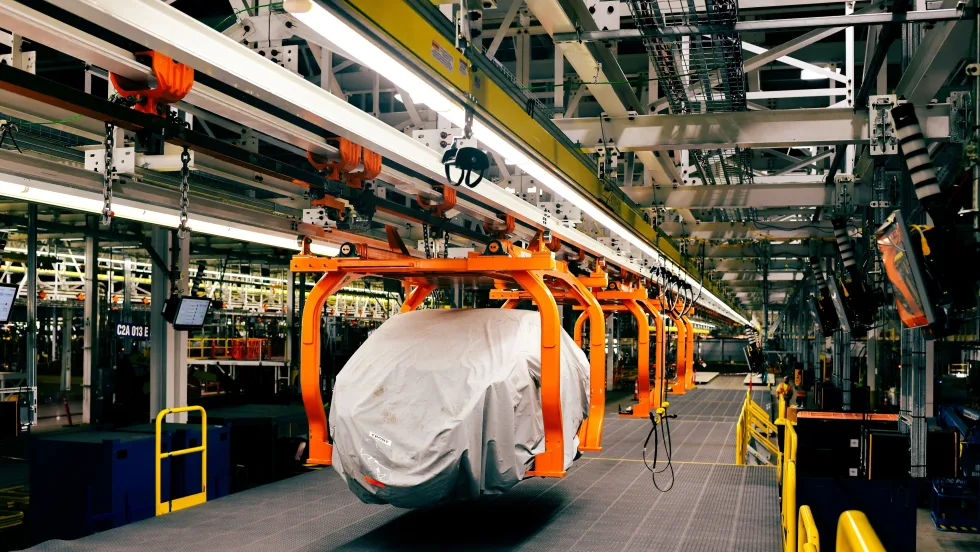
Ford Retools Louisville Plant for Fathom Electric Truck Production
Ford's $2 billion Louisville Assembly Plant overhaul introduces a three-part assembly process for the Fathom midsize electric truck, with production scheduled to begin in 2027.
Read More →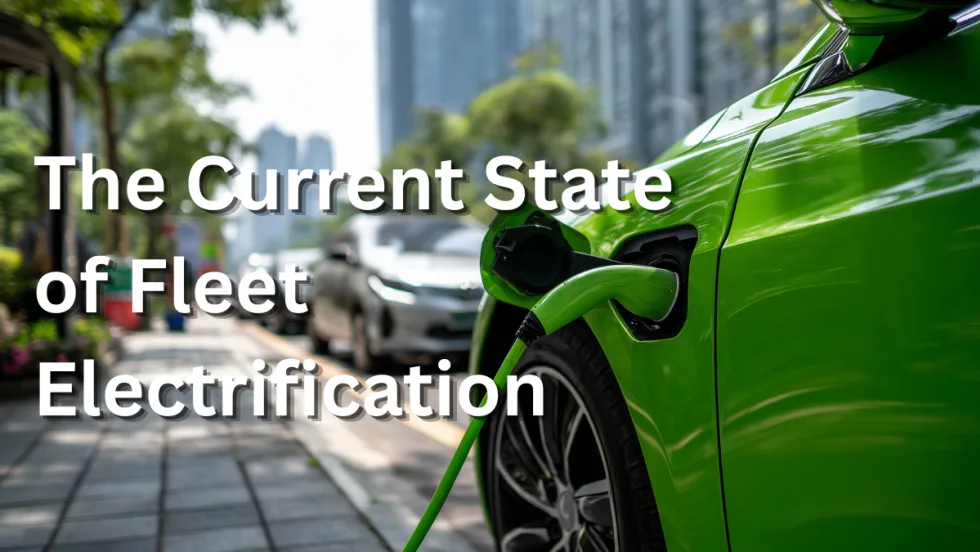
Merchants Fleet Reports 290M EV Miles as Fleets Navigate Changing Electrification Market
From millions in operating savings to hundreds of millions of EV miles, Merchants Fleet’s latest report reveals what’s working and what’s changing in fleet electrification.
Read More →
California District Commits to Electrify 25% of School Bus Fleet by 2028
One of the nation's largest school bus electrification projects to date demonstrates how grants, charging infrastructure, and public-private partnerships can help fleets transition to EVs at scale.
Read More →