



Closer Look:What Can Fleets do with ChatGPT?
How AI Can Enhance Electric Vehicle Fleets
Artificial intelligence relates to various aspects of running electric vehicles, such as duty cycles, routing, deployments, maintenance and charging schedules.
June 4, 2023
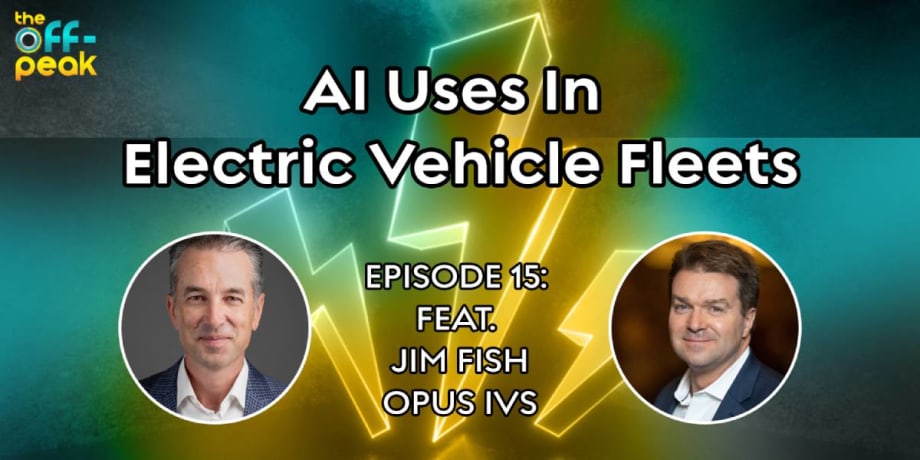
One expert, Jim Fish, vice president of Opus Intelligent Vehicle Support (IVS), recently shared a general overview and direction on applying AI to both electric- and ICE- vehicle fleets.
Photo: Bobit
6 min to read
For all the potential and precautions surrounding Artificial Intelligence (AI), the tool has been around in fleet operations, underscoring how managers can adopt recent advances one step at a time.
AI brings the added appeal of being a natural fit for electric vehicle fleets since EVs are more data-driven and digital-centric than ICE vehicles.
One expert, Jim Fish, vice president of Opus Intelligent Vehicle Support (IVS), recently shared a general overview and direction on applying AI to both electric- and ICE- vehicle fleets.
AI and Electric Vehicle Maintenance
Amid much of the hype, we must realize that AI has been deployed for many years, Fish said.
“I know that the craze in the press is all about AI of about the last six months, but it's been deployed in aggregating maintenance repair orders and understanding what might be going on in order to shortcut the diagnostic time,” he said.
When Opus IVS looks at millions of experiences, it can boil them down to identifying flaws and errors and enable a fleet to save time dealing with the problems in the future, he said.
“There have been several approaches to fleet, irrespective of electrified fleets, that are predictive and prognostic in nature. So, by predicting when a failure may occur and being proactive about it, or sensing that there is an impending failure, are two ways that machine learning works in the fleet space.”
Integrating AI with Electric Vehicles
Because EVs are mostly newer, they haven’t reached the five-year plus usage range where maintenance becomes more frequent and can provide the cumulative data on insights, Fish said. For now, comparisons are micro compared to the vast number of ICE vehicles on the road.
An electric vehicle is considerably more complex electronically than an ICE vehicle, while retaining the typical maintenance of tires, suspension systems, and brakes, he said.
“You have all of these or other issues that could still happen, but our belief is you’ll see less maintenance,” Fish said. “But you’ll need more expertise to service these vehicles because of the increasing complexity. AI can help bring that complexity down.”
Smartening up EV Charging Schedules
A hypothesis behind running an electric vehicle is that if a human performs tasks without emotional content, then a machine can be trained to also do it, Fish said. When you consider the millions of EV charging cycle experiences, and the fact that no human can look at those millions of experiences and be able to formulate the ideal charging plan, it points to the advantages of machine learning.
“When we talk about charging schedules, it's all of that accrued experience that can then be trained into a model that can help understand the ideal charging circumstance for a particular vehicle itself,” he said.
How AI Can Save Costs and Time
When looking at fleet routing and scheduling maintenance, AI once deployed can slash costs and time spent by more than 50%, up to 70%, Fish said. A business case for it becomes clear at the 50% level.
“Not only do we expect time/cost savings, but we expect improved executional content,” he said. For example, delivery and other performance errors can decline, leading to more competence as the AI models scale up.
“When you're using a machine learning model, it upskills everyone who uses it, but it doesn't make poor executables,” he said. The research shows that the improvement is about 0.4 standard deviations in executional capability. So great executables get even better, and poor executables do get (somewhat) better.
More AI Advances Coming Soon
One constant with AI is it accelerates change and data connections, increasing its ability to “think” through problem solving. That means AI will continuously adapt to its direction and scope, resulting in more support for fleet operations.
“One thing that we're seeing is machine learning is quite prescriptive output,” Fish said. “We think the mad rush since the introduction of language models is for a human cognitive assist that not only makes the decision but assists and facilitates a better decision by a human.”
This “gold rush” in AI comes in automating and helping humans make better decisions in what they’re doing, such as with determining the most logical and efficient fleet vehicle routes.
Google Maps, for example, is just one prescriptive example of AI at a basic level.
Fish outlined three factors to consider where adopting AI can help:
Providing more data and conclusions in a shorter timeframe, thereby enabling humans to focus more on the context of a decision or procedure. Humans are irreplaceable for some decisions.
Getting equipment and machines to diagnose problems and anomalies, especially in the operation of fleet vehicles. AI can read electric vehicle data in ways that resemble debugging code.
Enhancing productivity by freeing up humans to focus on the critical decisions and tasks without the distraction of the repetitive minutiae and detail better handled by AI.
Will AI Evolve into Coaching?
Another dimension to AI is that it must be prompted and asked the right questions, for which humans are better suited, Fish said.
“You still must formulate an ask. People think we won’t need HR workers anymore because AI can write amazing job descriptions. But you still must know what to ask for in the job description, and you still have to edit this job description so it can help you and make suggestions to you like including social media posts.”
AI users over time can get the technology to align better with their goals and purposes as they interact more with it. It’s all a matter of improving the quality of your input, or “asks,” that will yield more relevant prompts and suggestions from the AI. An AI model, such as ChatGPT, must know the context of the person who needs help, and the more it learns and knows, the more it can customize its outputs to increase the knowledge value and solutions it provides to the user.
Using AI to Find and Train EV Technicians
One of the big challenges electric vehicle fleets confront is finding enough EV technicians, or at least retraining the ICE technician.
“This is where language models begin to come into play in increasing the skill level,” Fish said. “If you have an A-level technician, which is an elite technician or a diagnostician, on ICE vehicles, and here comes an EV, he intuitively knows how vehicles are working and he is going to know that now there's different things to learn on an EV.”
Using AI as a tool, fleet managers can present information that steepens the learning curve for the technician, enabling them to learn faster and improve their skills. It resembles an online session, or like a more informed and powerful how-to YouTube video.
“The upskilling is a form of training, but unlike any training that's ever been delivered,” Fish said. “You don't have to go to a class with a hands-on practicum. Instead, it becomes like influencers on YouTube.
The future state of the art of influence is, ‘Oh, you have this problem. Here are six things that you should do to solve this.’ That's where language models can come in and rapidly upskill people.”
Subscribe to Our Newsletter
More Electric Vehicles
EV Charging Use Is Outpacing Infrastructure Growth
ChargePoint’s 2026 Charging Forward Report points to rising charger use, higher-powered charging, commercial vehicle electrification, and energy-management technology. Here’s what fleets should know.
Read More →
EV Realty Names Henrik Holland President as Charging Platform Expands
The former Prologis Mobility and Shell executive will help expand EV Realty’s truck charging business and move its power-first infrastructure model into autonomous vehicle depots and other fleet sectors.
Read More →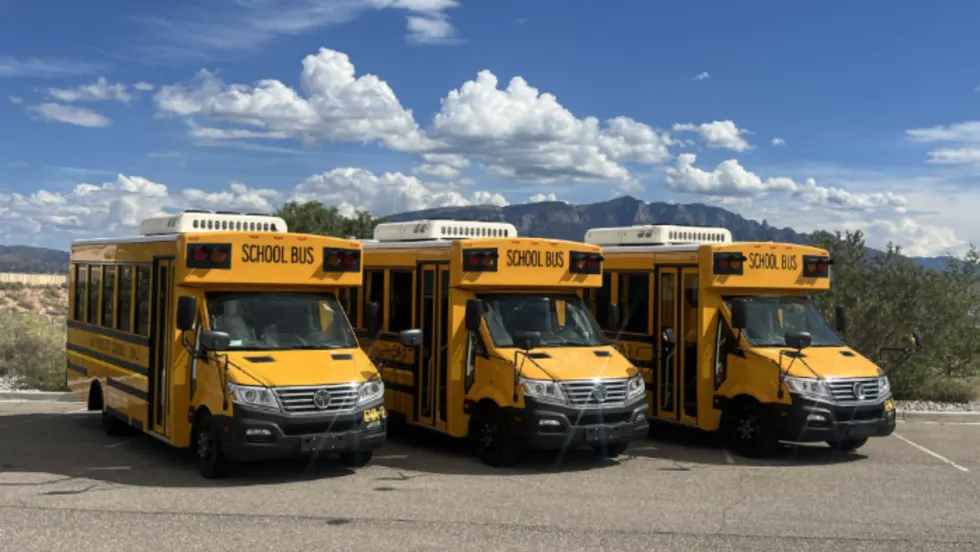
GreenPower Expands New Mexico EV Pilot With Larger Buses, V2G Testing
After logging more than 17,000 electric miles in the first year, New Mexico’s statewide pilot is moving into its second phase with larger vehicles, continued charging evaluations, and more.
Read More →
Can EV-as-a-Service Help Fleets Scale Electrification?
Sustainability Partners CEO Adam Cain explains how matching EVs, charging infrastructure, and duty cycles can help fleets scale electrification.
Read More →
How EV-as-a-Service Is Moving Fleets Beyond Pilots
Adam Cain, president and CEO of Sustainability Partners, explains how EV-as-a-service can help fleets scale deployments by addressing duty-cycle requirements and charging challenges.
Read More →
PowerFlex, The Mobility House Join Forces to Advance Fleet Electrification
Two EV charging providers are joining forces to deliver a broader portfolio of energy management and fleet electrification solutions.
Read More →
Ford Retools Louisville Plant for Fathom Electric Truck Production
Ford's $2 billion Louisville Assembly Plant overhaul introduces a three-part assembly process for the Fathom midsize electric truck, with production scheduled to begin in 2027.
Read More →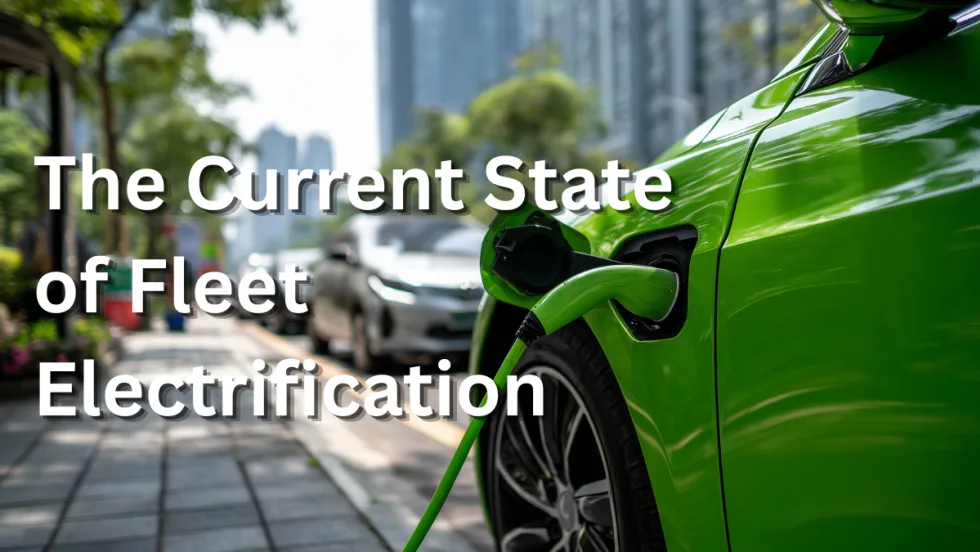
Merchants Fleet Reports 290M EV Miles as Fleets Navigate Changing Electrification Market
From millions in operating savings to hundreds of millions of EV miles, Merchants Fleet’s latest report reveals what’s working and what’s changing in fleet electrification.
Read More →
California District Commits to Electrify 25% of School Bus Fleet by 2028
One of the nation's largest school bus electrification projects to date demonstrates how grants, charging infrastructure, and public-private partnerships can help fleets transition to EVs at scale.
Read More →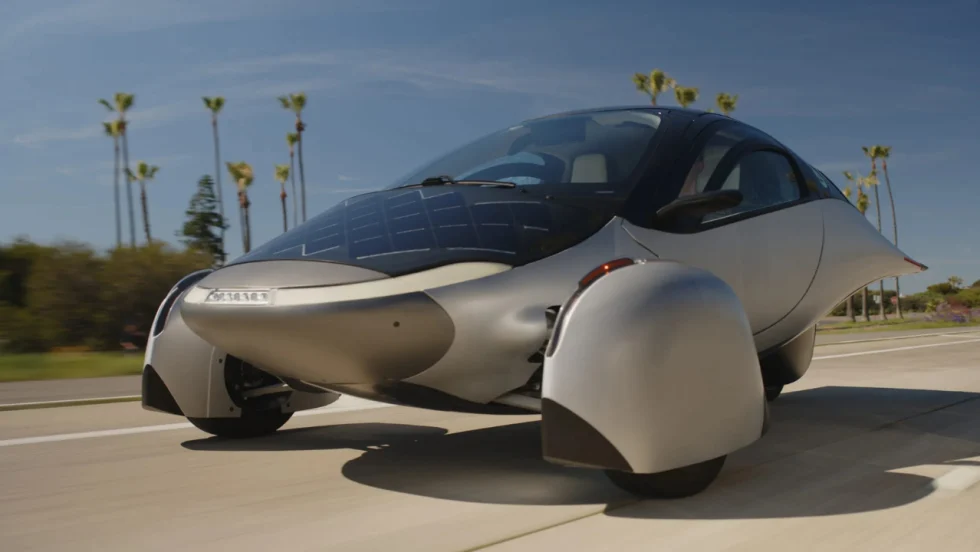
Aptera Orders Bodies and Chassis for Its First 40 Production Vehicles
Aptera Motors Corp. has issued purchase orders for the major structural components of its first 40 vehicles, and body and chassis components are expected to begin arriving in October.
Read More →