


Going Green Lowers Owens Corning's Operating Costs
Owens Corning switched to the Ford Taurus X crossover vehicle and Ford Escape, increasing the fleet’s miles per gallon and reducing its greenhouse gas emissions.
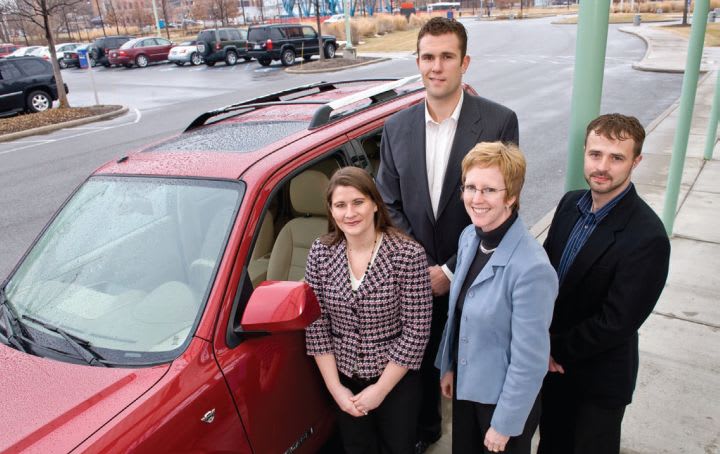
(L-R) Callie Glave, sourcing leader, Owens Corning; Matt Lefeld, sourcing specialist, Owens Corning; Karen Healey, dir., product management., PHH; and Isaac Chapman, fleet administrator, Owens Corning.
With gasoline prices hovering around the $4 range, a fleet that achieves an 8-percent reduction in operating costs should get some attention.
By building a green fleet, Owens Corning, a Toledo, Ohio manufacturer of composite and building materials, cut its operating costs by 8 percent.
Though the company has always strived to be environmentally friendly, over the past few years, it has stepped up efforts even more — especially important for a company whose fleet included mostly large, less fuel-efficient vehicles.
Owens Corning recently began exploring ways to continue getting employees involved in the effort to reduce the company’s carbon footprint, including sales representatives and sales managers who drive the fleet of about 400 vehicles. Many of the salespeople require larger vehicles to transport insulation product samples to customers.
The Ford Explorer was the most popular vehicle on the company’s selector list, but the fleet department began searching for a vehicle that produced lower emissions. The fleet department got help from its fleet management company, PHH Arval, and signed on to the PHH GreenFleet program in 2007. The program helps fleets reduce greenhouse gas (GHG) emissions through improved vehicle selection and use. The fleet department eventually chose the Ford Taurus X crossover vehicle and the Ford Escape.
Starting the Process: Driver Input
Callie Glave, corporate sourcing leader for Owens Corning, said it was important to get sales team input throughout the process. Sales staff reaction was not all positive at first.
“This is a big deal for them,” Glave said. “It’s part of their benefits and the type of vehicle they use everyday. We want to make sure they’re comfortable and certainly that they’re safe. We are also looking at the total win of reducing costs, GHG emissions, fuel usage, and making sure they can do their job well.”
As corporate sourcing leader, Glave manages the relationship between Owens Corning and PHH, in addition to Owens Corning’s relationship with Ford. Isaac Chapman, the company’s fleet administrator, manages the ordering process and day-to-day fleet operations out of Owens Corning’s Charleston, W. Va. office. The company’s corporate sustainability department was also involved with the switch to more environmentally friendly vehicles.
Gale Tedhams, director of corporate sustainability for Owens Corning, said the company consulted with PHH early in the process. Owens Corning told PHH it wanted a fleet “that would be both economical, reduce our GHG emissions, and maintain all other capabilities and characteristics required of fleet. This includes a high degree of safety and the capability of moving equipment and products that salespeople must take with them when they go on calls,” Tedhams said.
Another early step was for the sales team to test the vehicles. “One of the things we learned through this process is having the involvement of the people who were going to be using the cars,” Tedhams said. Although sales team members had some reservations at first, they eventually got on board with the change. “They actually became advocates to the rest of the sales force, as well as the greater purpose of their contribution to greening our operations.”
Legroom, comfort, safety, and carrying capacity of the vehicle were among the top concerns of salespeople. “These cars have a lot of roominess inside, as well as being able to take samples, materials for trade shows, and whatever they need to carry,” Tedhams said.
Once sales leaders were onboard with the new vehicle, the fleet department worked with Owens Corning’s internal communications group to ensure drivers were aware of the selector changes and their support of overall environmental goals. The fleet department ran a story with photos of a satisfied salesman and his Ford Taurus X in the fleet department’s internal news Web page.
Tedhams said she heard a lot about hybrid vehicles during the decision-making process, but says hybrids aren’t the best option in all situations, especially with the amount of cargo that Owens Corning salespeople often carry in the vehicles. The company discovered the Taurus X offered 20-percent better fuel economy than the Explorer, a lower acquisition cost, and slightly more cargo capacity.
Results: Emissions Down, MPG Up
In this first year of deploying the Taurus X and the Escape, benefits to both the company and environment have been impressive. The fleet’s average mpg increased 18 percent, from 18.3 to 21.6, helping the company’s bottom line and contributing to lessening the nation’s dependence on foreign oil.
The switch has also increased Owens Corning’s contribution to a cleaner environment. The company estimates it has reduced its greenhouse gas emissions by 14.6 percent, using a formula based on the amount of fuel reduced and the emissions it created.
However, important to the company‘s bottom line, the switch has also resulted in an improvement in total operating cost. That improvement goes beyond reduced fuel use and includes total vehicle lifecycle costs, including acquisition cost, resale value, and maintenance costs. Glave said the fleet has seen some benefits in the area of maintenance cost reductions, but since the new vehicles have been in the fleet for only a year, the company has not yet completely analyzed maintenance data.
Owens Corning’s sustainability program set goals with a baseline in 2002 and an achievement target in 2012. The company plans to achieve a 30-percent reduction in GHG emissions, a 25-percent reduction in energy use, and a 20-percent reduction in particulate matter.
Fleet is a small, but very visible part of Owen’s Corning’s environmental footprint, Glave said.
“Every employee in our company has a part to play in making our company and our world more sustainable,” she said.
Originally posted on Automotive Fleet
More Legal/Legislative
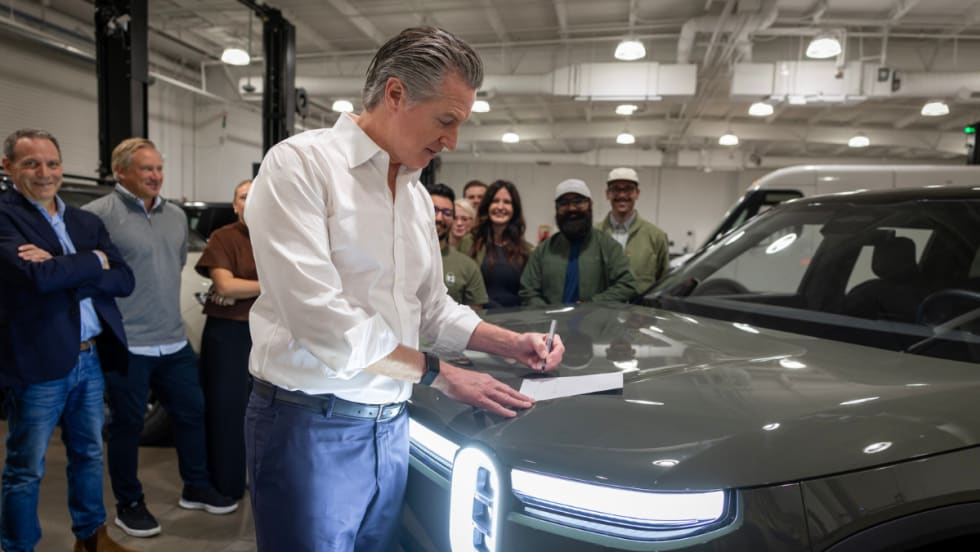
California Governor Approves Instant ZEV Rebates For First-Time Buyers
That instant rebate is the centerpiece of a broader $600 million package Governor Newsom signed into law, keeping California active in the global clean transportation race.
Read More →
Used EVs Set Wholesale Sales Record In Q1
Rising gas prices may have boosted demand last month, as dealers pursued potential opportunities with more affordable used EVs.
Read More →
OEMS Expose Overdue EV Truths
Recent announcements from two automakers underscore a significant shift in the electric vehicle market, driven by EV losses and changing strategies. [VIDEO}
Read More →
The Freedom Era For Electric Vehicles
Season 2 Episode 1 of The Off-Peak premieres as the electric vehicle market no longer benefits from federal tax credits that expired at the end of Q3 2024. What does this mean for the future appeal of EVs?
Read More →
New Research Shows Renewed Potential And Tolerance For EVs
A new EV consumer survey finds partisan resistance is easing, but concerns around cost, incentives, and charging access still shape buyer interest.
Read More →
2025 Generated Big Headlines In The EV World
The EV industry entered a new more nuanced phase defined by realities and practical outcomes after a few years of grand visions, media hype, and bold investments.
Read More →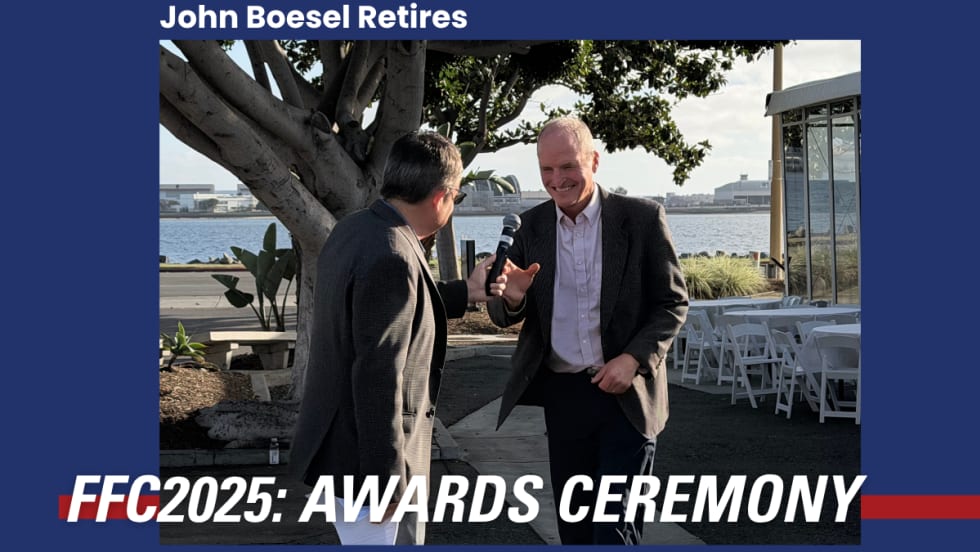
John Boesel Recognized at 2025 Fleet Forward Conference
Bobit recognized John Boesel, CEO of Calstart, who is retiring after over three decades of service.
Read More →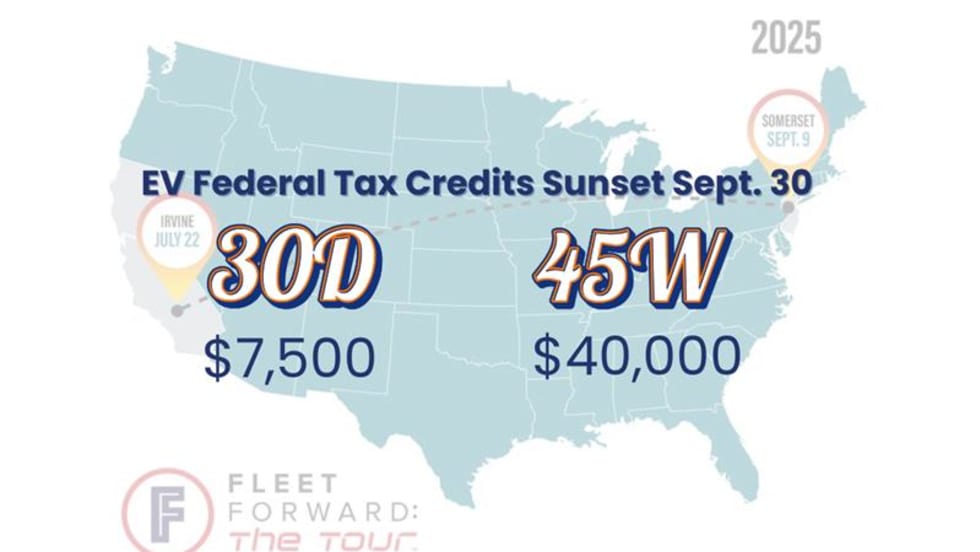
Final Push for Federal EV Incentives Highlighted at Fleet Forward Tour NJ Stop
Fleet managers in the Northeast will have a timely opportunity to take action on electric vehicle purchases at the upcoming Fleet Forward Tour stop in Somerset, NJ, on Sept. 9.
Read More →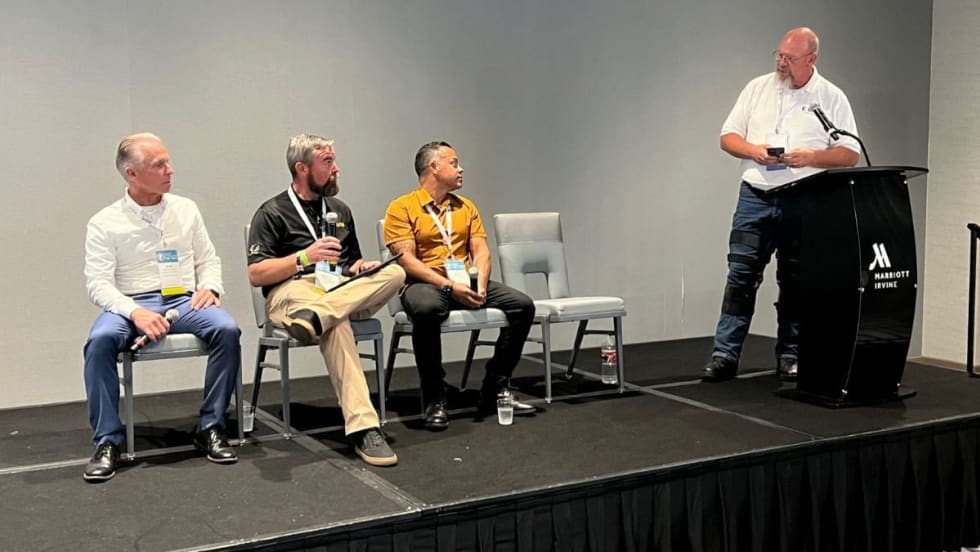
Latest Hard Realities, Top Pressures For Electric Fleets
Speakers and experts at Fleet Forward: The Tour shared hands-on, hard-won insights on how fleet operations are handling tariffs, EV charging, rules and regs, and safety issues.
Read More →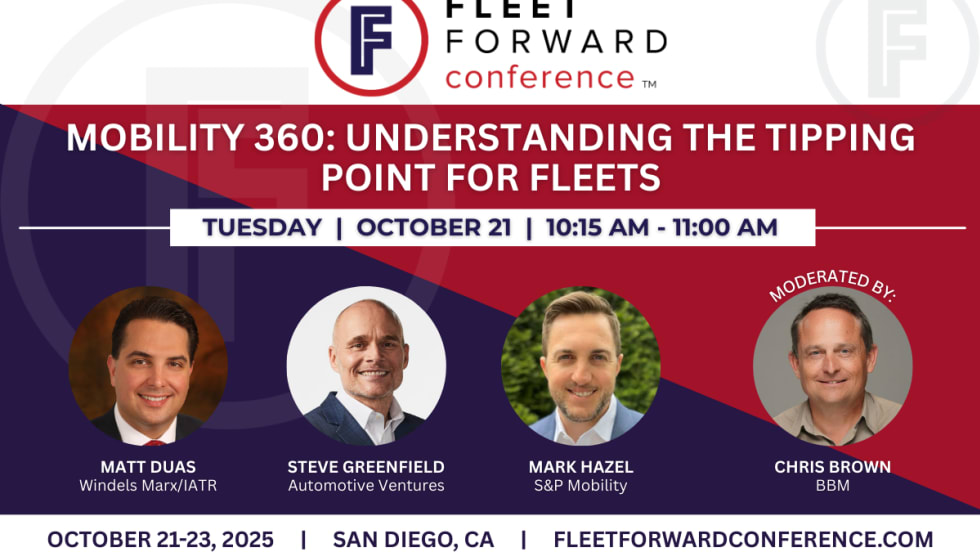
Mobility 360 Panel to Define the Fleet Industry’s Next Tipping Point
At the 2025 Fleet Forward Conference, experts in capital, policy, and data will assess which trends are transforming fleet.
Read More →