


Georgia Power Saves Money With Fixed-Price Fuel Program
The company went on PS Energy's fixed-price program when fuel prices were much lower last year, and the move paid off. The company also uses PS Energy's Emergency Fueling Program.
PS Energy manages the fuel inventory for Georgia Power's on-site stations. "It's worked out well for us. It's one less thing for me to manage," said Truitt Eavenson, fleet manager for Georgia Power.
When prices were much lower last year, the fleet department at Georgia Power went on PS Energy's fixed-price fuel program for a 12-month period.
"I wish we had locked in for three years instead of one," said Truitt Eavenson, who oversees a fleet of about 4,700 vehicles as manager of fleet operations for Georgia Power in Atlanta. Since then, fuel prices have risen dramatically. "You can imagine what that program saved us," he said.
The fixed-price program offers fleets an option of paying one fixed price for a certain number of gallons of fuel over a certain period of time. This enables the company to project its fuel costs for the coming year.
Since its 12-month period on the fixed-price program ended, Georgia Power has signed on to the program again, for another six months. The six-month program is for a percentage of Georgia Power's fuel that is used in its on-site fueling facilities that are located at some of its 60 headquarters buildings throughout Georgia, and also for all of its retail fueling. Eavenson said Georgia Power went on the program for the winter period, reasoning that when the price of heating oil goes up, so does the price of fuel. The federal government's recent decision to tap into its fuel reserves also factored into the decision, Eavenson said.
"We rely on PS Energy to help us make those decisions," Eavenson said. "We work closely with them to watch the market to save on fuel costs."
Program Helps with Fueling During Emergencies
Georgia Power also uses PS Energy's Emergency Fueling Program, which is designed for utility companies and disaster response organizations and provides relief options when conventional fueling is difficult or unavailable. The program recruits and manages the logistics of manpower, equipment and fuel for utilities to minimize the effects of floods, tornadoes, hurricanes, and other crises.
During Hurricane Floyd last year, the entire city of Savannah, GA, was evacuated. Georgia Power is a sister company to Savannah Power, and other companies such as Duke Power and Carolina Power and Light asked Georgia Power for assistance.
"All of the gas stations ran out of fuel," Eavenson said.
Georgia Power used a shopping center parking lot as a "staging center" to park its trucks, and PS Energy brought a fueling truck to the location at night, so the Georgia Power vehicles were ready to go in the morning. PS Energy provided the same service to Georgia Power about two years ago when a tornado hit the Atlanta area.
PS Energy Manages Fuel Inventory for Georgia Power
PS Energy administers the Wright Express fuel card program for Georgia Power. The program is for on-site facilities and off-site at retail locations that accept the Wright Express card. The fuel tanks at the on-site facilities are owned by Georgia Power and managed by PS Energy, which decides when to deliver more fuel to keep the tanks full.
Originally posted on Automotive Fleet
More Electric Vehicles
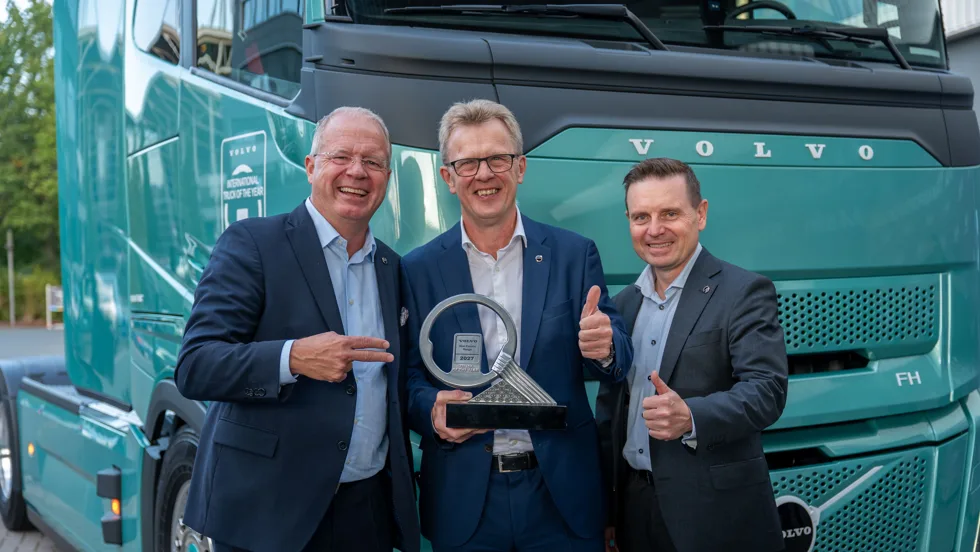
Volvo Trucks’ Electric Range Named International Truck of the Year 2027
The award recognizes Volvo’s global heavy-duty electric lineup, while more than 750 VNR Electric trucks have accumulated nearly 37 million miles in U.S. and Canadian fleet operations.
Read More →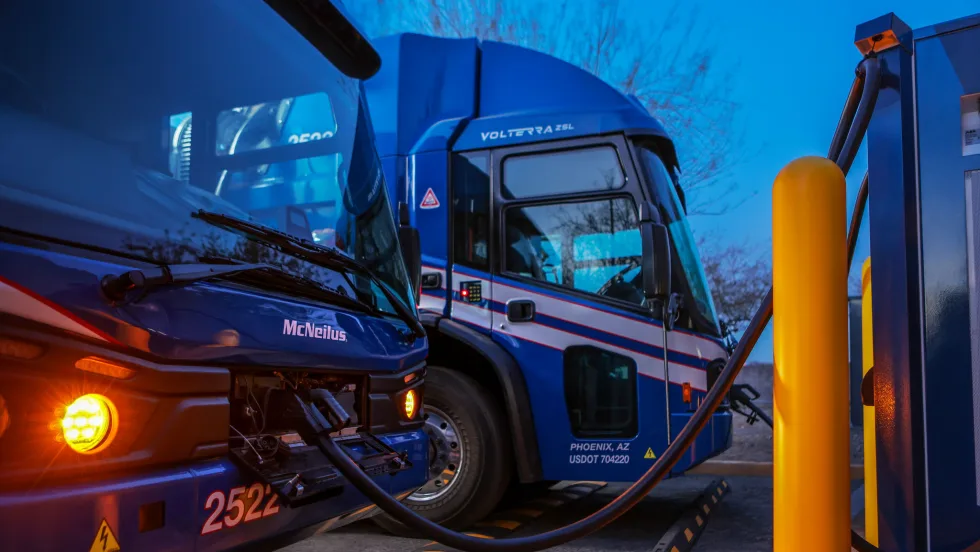
How Republic Services Decides Where Its Next Electric Trucks Can Go
With 250 electric collection trucks now in service, Republic Services is learning that scaling electrification depends less on proving the vehicle and more on whether each site can support what comes next.
Read More →
EV Charging Use Is Outpacing Infrastructure Growth
ChargePoint’s 2026 Charging Forward Report points to rising charger use, higher-powered charging, commercial vehicle electrification, and energy-management technology. Here’s what fleets should know.
Read More →
EV Realty Names Henrik Holland President as Charging Platform Expands
The former Prologis Mobility and Shell executive will help expand EV Realty’s truck charging business and move its power-first infrastructure model into autonomous vehicle depots and other fleet sectors.
Read More →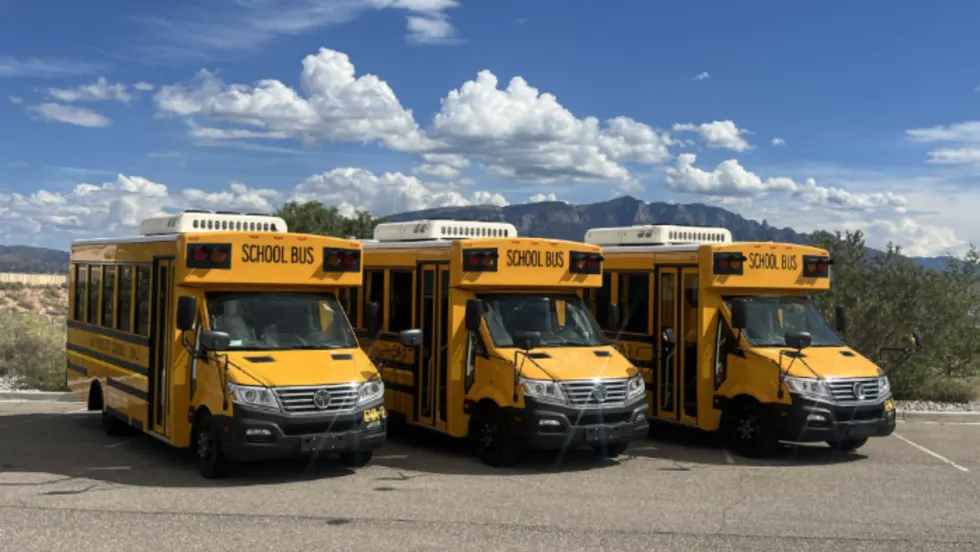
GreenPower Expands New Mexico EV Pilot With Larger Buses, V2G Testing
After logging more than 17,000 electric miles in the first year, New Mexico’s statewide pilot is moving into its second phase with larger vehicles, continued charging evaluations, and more.
Read More →
Can EV-as-a-Service Help Fleets Scale Electrification?
Sustainability Partners CEO Adam Cain explains how matching EVs, charging infrastructure, and duty cycles can help fleets scale electrification.
Read More →
How EV-as-a-Service Is Moving Fleets Beyond Pilots
Adam Cain, president and CEO of Sustainability Partners, explains how EV-as-a-service can help fleets scale deployments by addressing duty-cycle requirements and charging challenges.
Read More →
PowerFlex, The Mobility House Join Forces to Advance Fleet Electrification
Two EV charging providers are joining forces to deliver a broader portfolio of energy management and fleet electrification solutions.
Read More →
Ford Retools Louisville Plant for Fathom Electric Truck Production
Ford's $2 billion Louisville Assembly Plant overhaul introduces a three-part assembly process for the Fathom midsize electric truck, with production scheduled to begin in 2027.
Read More →
Merchants Fleet Reports 290M EV Miles as Fleets Navigate Changing Electrification Market
From millions in operating savings to hundreds of millions of EV miles, Merchants Fleet’s latest report reveals what’s working and what’s changing in fleet electrification.
Read More →