


GE Capital Fleet Services Finds Customer Concerns Reflect Rapid Changes in Fleet Industry
Automotive Fleet magazine spoke with Steve Jastrow and Brandi Stensos from GE Capital Fleet Services to find out what their customers are doing to address cost-savings, improve driver safety, and boost workforce productivity.

In June GE Capital Fleet Services released the results of a survey of fleet manager concerns that it conducted at an industry trade show in May. Findings from the survey include 26% of respondents saying meeting cost-saving goals was their top priority. Improving driver safety was the top priority for 23% of respondents, and increasing workforce productivity was the number one priority for 19%.
Given that fleet managers have these concerns, what are they doing about them? Automotive Fleet spoke with Steve Jastrow and Brandi Stensos from GE Capital Fleet Services to find out what their customers are doing to address these issues.
The core takeaway from the discussion is that fleet management is becoming a discipline where you have to constantly keep your eye on a range of changing metrics. Today, factors such as rapid fuel-economy improvements, changing resale values, advancing technologies, such as telematics, and the emergence of more alternative-fuel vehicles on the market, all make creating an effective fleet strategy a moving target.
To start, one area that GE Capital Fleet Services focuses on is creating cost-effective replacement cycles. Nowadays, though, to maximize a company’s investment in a fleet, replacement cycles require regular review and adjustments due to market conditions, for example to take into account resale values and whether a new model of vehicle can provide a lower total cost of ownership.
“We’re finding that where there used to be a one-size-fits-all replacement solution for many fleets, now it’s much more dynamic, with huge swings in the economy, vast improvements in vehicle fuel economy, and huge swings in the resale market, Jastrow said. “We’ve gone well beyond a replacement cycle that you stick with and never revisit. Those days are behind us now.”
As the market has changed, so have fleet management strategies.
“Fleets are moving to an optimal replacement methodology rather than a ‘replace when it dies’ strategy,” Jastrow said. “Previously, they weren’t replacing because the resale market was down. They were taking a hit on the TRAC lease at the end, so we recommended that they hold on to their vehicles. Now, we’re seeing that the optimal time to replace is at a quicker pace.”
When it comes to productivity as a fleet manager concern, they are addressing this issue in a couple of ways, including the use of telematics and focusing on improving safety.
“From a productivity perspective for service and delivery fleets, drivers use telematics to travel better, more optimized routes, for example a circular pattern rather than a star pattern,” Jastrow said. “As the technology continues to improve and costs are coming down, it’s becoming a more viable solution for many fleets.”
Jastrow said companies are also starting to think about safety in terms of related costs, not just those associated with either replacing or fixing a vehicle.
“The area that seems to get a lot of focus this year has been around accident and safety,” Jastrow said. “So there has been a heightened awareness of that. I’ve done more of an informal survey and found that it was a top item for CFOs as the CFOs’ concerns make their way down to fleet. The accident spend relative to the overall spend is small, but if you add up all the ancillary things, driver downtime, litigation, repairs, that becomes a massive cost to a business.”
This focus on safety has led to improved productivity as well as reduced costs, according to Jastrow.
“To the degree that you’re doing MVR checks so you have safe drivers on the road, and that you’re doing safety training, that will result in improved productivity as well,” Jastrow said. “You don’t have a driver out with an injury or a vehicle with an issue.”
Despite the focus on cost-cutting and control, “green” issues and fleet sustainability are still important to many companies. Also, ancillary benefits of “going green” often include lower fuel costs, which help the bottom line.
“Sustainability continues to be a driver,” GE’s Brandi Stensos said. “Fuel can be one of the top operating costs to a fleet, and can be difficult to budget with price volatility. Companies are looking to alternative fuel vehicles to help manage those costs. Lastly, those businesses who have adopted alternative fuels are talking about it. Drivers are happy with the vehicles; they’re talking about them, and tweeting about their experiences.”
To implement “green” strategies, fleets aren’t just swapping out huge numbers of gasoline- or diesel-fueled vehicles wholesale, they’re taking a calculated approach, Jastrow explained.
“When you get into the alternative fuel market, it gets a lot more complicated. Alternative vehicles aren’t a solution where you can switch the whole fleet out, it’s about finding pockets where it makes sense,” he explained. “We need to get more granular with how we’re thinking about this as opposed to thinking of it as a fleet-wide fix. There might be missed opportunities in segments of the fleet.”
With cost and efficiency the focus of many companies, all the elements of fleet management, from replacement schedules and maintenance to fuel management and safety, have a role in cost containment. Today, more than ever, creating and implementing a strategy that allows for rapid adjustments in many areas of a fleet’s operations is key to getting the best return on the investment that a fleet represents.
Originally posted on Automotive Fleet
More Legal/Legislative
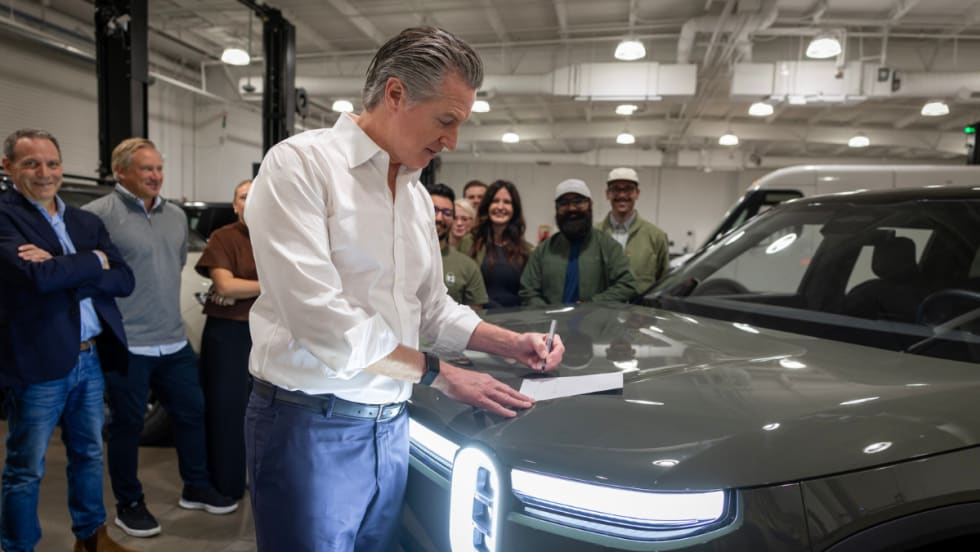
California Governor Approves Instant ZEV Rebates For First-Time Buyers
That instant rebate is the centerpiece of a broader $600 million package Governor Newsom signed into law, keeping California active in the global clean transportation race.
Read More →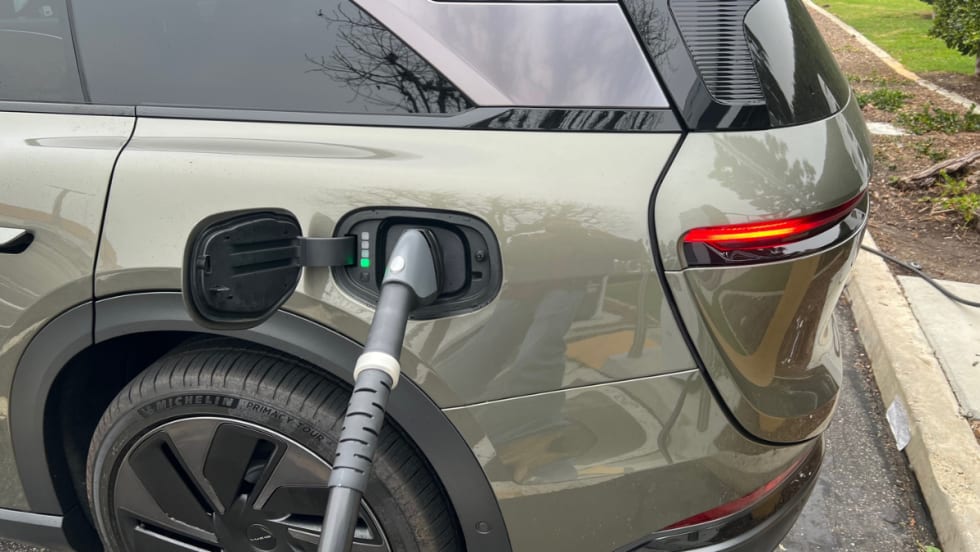
Used EVs Set Wholesale Sales Record In Q1
Rising gas prices may have boosted demand last month, as dealers pursued potential opportunities with more affordable used EVs.
Read More →
OEMS Expose Overdue EV Truths
Recent announcements from two automakers underscore a significant shift in the electric vehicle market, driven by EV losses and changing strategies. [VIDEO}
Read More →
The Freedom Era For Electric Vehicles
Season 2 Episode 1 of The Off-Peak premieres as the electric vehicle market no longer benefits from federal tax credits that expired at the end of Q3 2024. What does this mean for the future appeal of EVs?
Read More →
New Research Shows Renewed Potential And Tolerance For EVs
A new EV consumer survey finds partisan resistance is easing, but concerns around cost, incentives, and charging access still shape buyer interest.
Read More →
2025 Generated Big Headlines In The EV World
The EV industry entered a new more nuanced phase defined by realities and practical outcomes after a few years of grand visions, media hype, and bold investments.
Read More →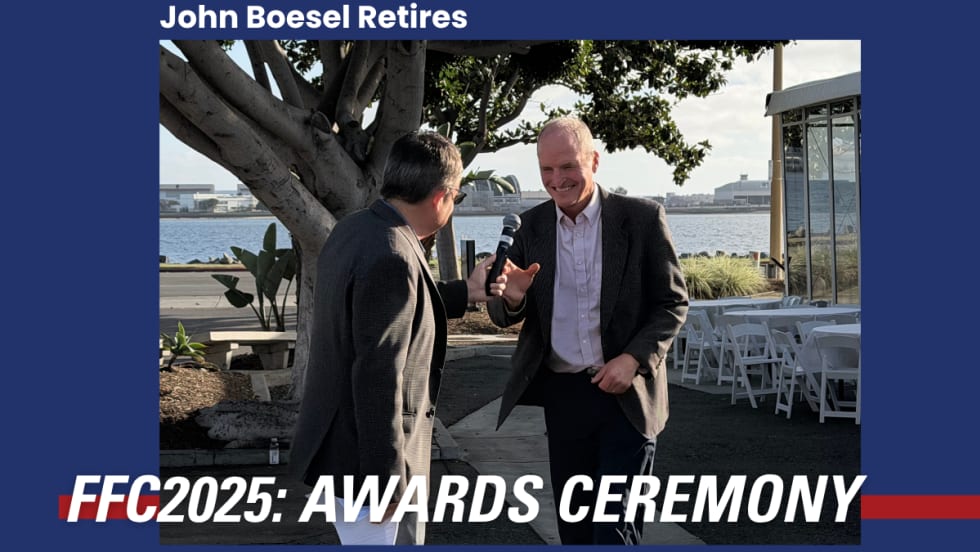
John Boesel Recognized at 2025 Fleet Forward Conference
Bobit recognized John Boesel, CEO of Calstart, who is retiring after over three decades of service.
Read More →
Final Push for Federal EV Incentives Highlighted at Fleet Forward Tour NJ Stop
Fleet managers in the Northeast will have a timely opportunity to take action on electric vehicle purchases at the upcoming Fleet Forward Tour stop in Somerset, NJ, on Sept. 9.
Read More →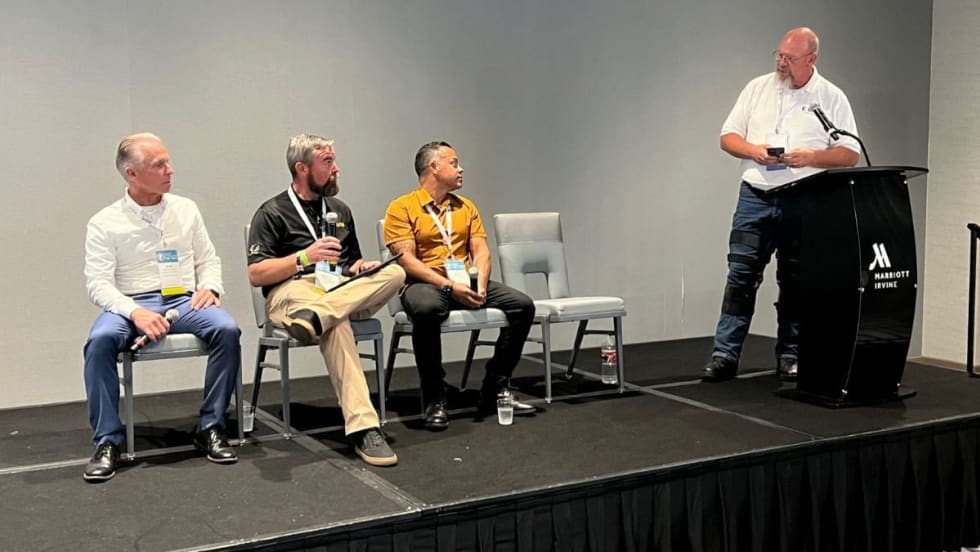
Latest Hard Realities, Top Pressures For Electric Fleets
Speakers and experts at Fleet Forward: The Tour shared hands-on, hard-won insights on how fleet operations are handling tariffs, EV charging, rules and regs, and safety issues.
Read More →
Mobility 360 Panel to Define the Fleet Industry’s Next Tipping Point
At the 2025 Fleet Forward Conference, experts in capital, policy, and data will assess which trends are transforming fleet.
Read More →