


Fuel Prices Trending Upward: Longevity of Rise Uncertain
This special report over five articles provides an in-depth examination of 2021 operating cost trends for fuel spend, scheduled/unscheduled maintenance, replacement tire prices, PM spend, warranty recovery, and a forecast of CY2022 expenses.
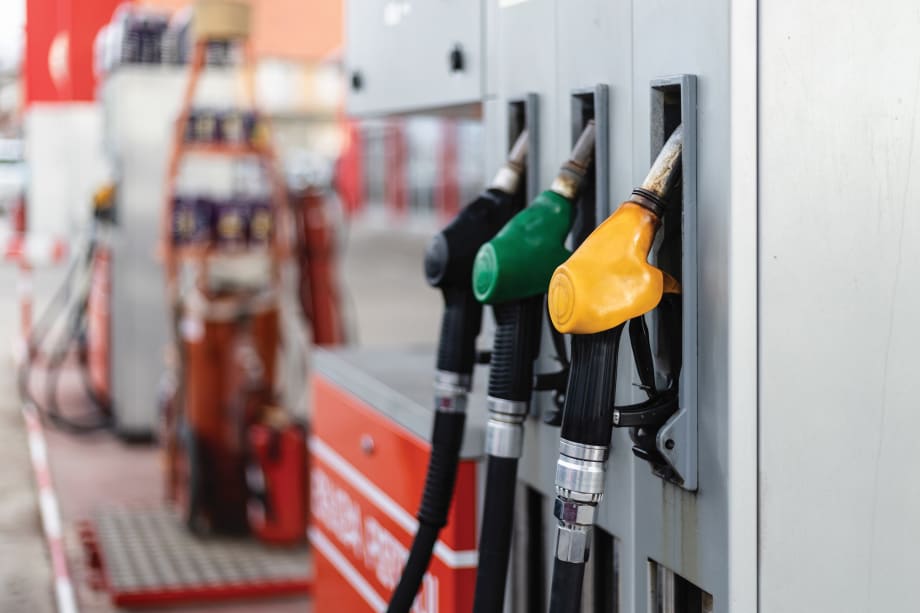
Fleet fuel spend has increased 34% in calendar-year 2021. Fuel prices are at their highest in the past seven years, but gallons purchased has declined.
Getty Images / mladenbalinovac

Fuel prices are their highest since 2014.
Getty Images / M_A_Y_A
While the COVID-19 pandemic in calendar-year 2020 lowered fleet operating expenses because many vehicles were idled, this was not the case in calendar-year 2021, which witnessed fleet operating expenses increase across the board in all expense categories:
Fuel prices are at their highest in the past seven years
Tire expenses increased in reaction to the price increases for the raw materials used to manufacture tires.
Preventive maintenance costs have increased due to the ongoing OEM migration to more expensive synthetic motor oils for new models.
Maintenance costs are up due to an uptick in unscheduled maintenance as vehicles are kept in service longer because of the difficulties in sourcing replacement units.
Warranty recovery costs were stressed in 2021 due to extended vehicle cycling and numerous parts shortages delaying repairs and incurring additional soft costs from prolonged downtime.
These, along with other findings. were revealed in Automotive Fleet’s 29th annual operating cost survey and are based on data provided by nine FMC survey partners:
ARI
Donlen
Element Fleet Management
Emkay
Enterprise Fleet Management
LeasePlan USA
Merchants Fleet
Mike Albert Fleet Solutions
Wheels Inc.
Fuel Costs Trending Upward
Gasoline and diesel fuel prices have increased dramatically since the start of the 2021 calendar-year.
“There has been a 34% increase in the cost spent on fuel; however, there has been a decrease of 3.63% on the number of gallons purchased compared to the same time last year. We are seeing a consistent rise in fuel cost which will make it more expensive for overall fleet operations,” said Tori Wroblewski, business analyst for Emkay.
One reason for the decline in gallons purchased has been an increased focus by fleets on route optimization and other fuel reduction strategies.
“Fuel prices have steadily increased since the end of 2020 and some regions are experiencing the highest costs per gallon, we have seen in the last seven years.” said Lindsay Wood, product manager at Wheels. “The increase in fuel cost reinforces the importance of having a well-managed program in place. Fleets are using telematics to optimize routes and educating drivers on proper ways to operate their vehicle to increase fuel efficiency and decrease costs.”
While there has been a dramatic increase in fuel prices in 2021 compared to 2020, it is important to analyze this data in the context of broader macro trends.
“Generally speaking, fuel prices slowly, but steadily increased throughout 2021 while miles driven also normalized for many fleets, returning to pre-pandemic levels. As a result, overall fuel spends increased for most organizations as compared to 2020. From a fuel spend perspective, 2020 was a significant outlier as many businesses suspended operations during the pandemic and several vehicles sat idle for extended periods. While the delta between this year’s fuel spends and last is certainly noticeable, when you delve deeper into the data, the difference isn’t nearly as troublesome as it appears and likely aligns relatively closely with pre-pandemic metrics,” said Andy Hall, manager, fuel & EV products for ARI.
A big determinant of the overall price of refined fuel, namely gasoline and diesel, is the price of crude oil.
“In 2021, crude oil prices increased over 2020 levels as economic recovery continued,” said Kelley Hatlee, senior service advisor for Enterprise Fleet Management. “It’s also important to note that fuel prices tend decrease during this time of year, but like many aspects of the industry, things may look different in 2021. After Labor Day, fuel prices typically decrease as demand decreases. However, we may see some short-term elevated fuel prices this year resulting from the dramatic reduction of oil production in the Gulf of Mexico during Hurricane Ida and as suppliers recover from the damage done to infrastructure and transportation systems in the region.”
Tools to Mitigate Cost of Fuel
For many years, fleets have adopted a multi-faceted approach to reduce fuel costs, but lately there has been a renewed interest in investigating the use of alternative powertrains.
“Fleets continue to evaluate improved fuel economy of newer vehicles versus older models. This typically means understanding the impact a hybrid, plug-in hybrid, or electric vehicles would make in specific routes or drivers identified with telematics data looking at daily range, time idling and other considerations,” said Jason Kraus, director – OEM and product management for Mike Albert Fleet Solutions. “Route planning and optimization coupled with gamification for drivers to support positive behaviors also plays a role, as does ensuring that tire pressure is checked regularly based on the impact to fuel economy and tire life. Another area of opportunity is utilizing the available data from fuel and telematics providers to reduce instances of rogue spending through purchases of premium unleaded fuel when standard would suffice and the use of fuel cards in non-fleet vehicles, as well as the impact of unnecessary idling.”
There is a widespread consensus that more companies are investigating the adoption of hybrids and battery-electric vehicles in their fleet operations.
“Companies are rethinking their fleets by going with more fuel-efficient options, such as hybrids and the overall right-sizing of their fleet; a common trend the industry has experienced during hard economic times. With electric vehicles becoming more readily available with various vehicle segment options, the door for many companies to get started with the transition to EVs has already begun,” said Wroblewski of Emkay.
Wheels also observed that more fleets are examining the adoption of alternative powertrains as part of a fuel reduction strategy. “Many fleets are exploring alternative powertrains – hybrids, plug-in hybrid electric, and full battery electric vehicles – to mitigate the cost of fuel. These alternative powertrains do bring some new costs of their own, specifically around infrastructure, but many fleets see the value in the investment that can deliver long-term savings in fuel, as well as CO2,” said Sara Sweeney, senior product manager at Wheels.
In the coming years, the biggest factor that will put downward pressure on fuel prices will be the increased use battery-electric vehicles in both the fleet and retail markets.
“We are seeing an accelerated interest in electrification – meaning both more hybrids being ordered and more interest in battery electric vehicles (BEVs),” said John Wuich, CAFM, vice president of strategic consulting services for Donlen. “About one in four light passenger vehicles ordered in 2021 are hybrids, double that of 2019/2020 and battery electric orders are up 10-fold in 2021 over 2020.”
Fuel Price Forecast for 2022
Most industry observers say the ongoing uncertainty in the market makes it difficult to provide short-term forecast on fuel pricing trends. “Similar to other areas of the automotive landscape, there’s still a great deal of uncertainty in terms of fuel projections; however, current forecasts indicate fuel prices may decline slightly in 2022 as production begins to outpace demand. As always, there are numerous variables that contribute to the price of fuel and one minor disruption could quickly reverse that outlook. For example, one area we continue to monitor closely is the potential impact of inflation. That being said, price is certainly top-of-mind for many fleet operators, and we have received some inquiries around fuel hedging but for the most part, hedging likely will not be pursued outside a few extremely niche scenarios,” said Hall of ARI.
One unknown variable are the unpredictable external forces may exert upward pressure on fuel prices in CY-2022. “We expect fuel pricing to continue to increase over the next year due to global demand outpacing supply. As cybersecurity risks and weather events threaten global production, fuel pricing will be especially sensitive to increases in the upcoming year,” said Jillian Grenier, assistant director, fleet products for Merchants Fleet. “Geopolitical volatility in petroleum-producing regions will also contribute to rising fuel costs. These factors will continue to drive fleet interest in alternative fueled vehicles and more fuel-efficient internal combustion vehicles.”
Originally posted on Automotive Fleet
More Electric Vehicles

EV Charging Use Is Outpacing Infrastructure Growth
ChargePoint’s 2026 Charging Forward Report points to rising charger use, higher-powered charging, commercial vehicle electrification, and energy-management technology. Here’s what fleets should know.
Read More →
EV Realty Names Henrik Holland President as Charging Platform Expands
The former Prologis Mobility and Shell executive will help expand EV Realty’s truck charging business and move its power-first infrastructure model into autonomous vehicle depots and other fleet sectors.
Read More →
GreenPower Expands New Mexico EV Pilot With Larger Buses, V2G Testing
After logging more than 17,000 electric miles in the first year, New Mexico’s statewide pilot is moving into its second phase with larger vehicles, continued charging evaluations, and more.
Read More →
Can EV-as-a-Service Help Fleets Scale Electrification?
Sustainability Partners CEO Adam Cain explains how matching EVs, charging infrastructure, and duty cycles can help fleets scale electrification.
Read More →
How EV-as-a-Service Is Moving Fleets Beyond Pilots
Adam Cain, president and CEO of Sustainability Partners, explains how EV-as-a-service can help fleets scale deployments by addressing duty-cycle requirements and charging challenges.
Read More →
PowerFlex, The Mobility House Join Forces to Advance Fleet Electrification
Two EV charging providers are joining forces to deliver a broader portfolio of energy management and fleet electrification solutions.
Read More →
Ford Retools Louisville Plant for Fathom Electric Truck Production
Ford's $2 billion Louisville Assembly Plant overhaul introduces a three-part assembly process for the Fathom midsize electric truck, with production scheduled to begin in 2027.
Read More →
Merchants Fleet Reports 290M EV Miles as Fleets Navigate Changing Electrification Market
From millions in operating savings to hundreds of millions of EV miles, Merchants Fleet’s latest report reveals what’s working and what’s changing in fleet electrification.
Read More →
California District Commits to Electrify 25% of School Bus Fleet by 2028
One of the nation's largest school bus electrification projects to date demonstrates how grants, charging infrastructure, and public-private partnerships can help fleets transition to EVs at scale.
Read More →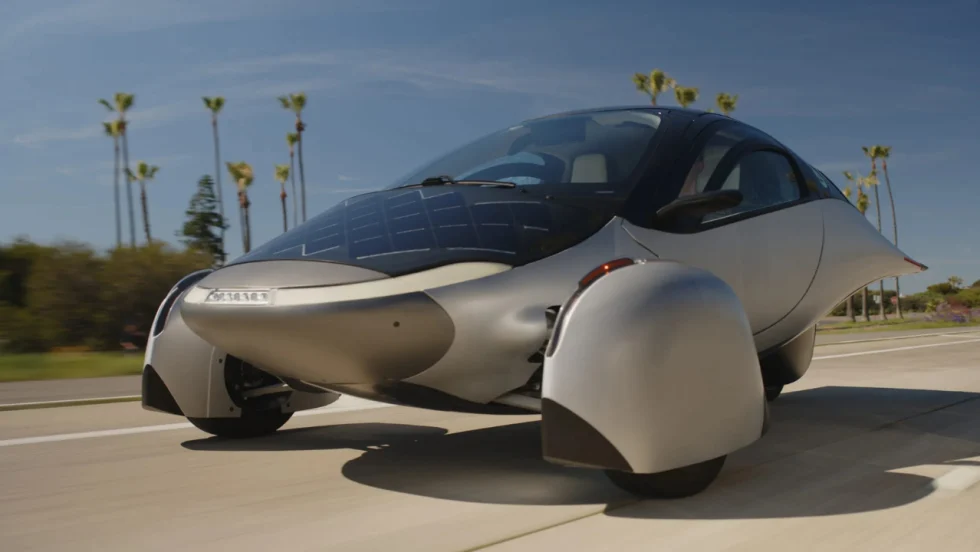
Aptera Orders Bodies and Chassis for Its First 40 Production Vehicles
Aptera Motors Corp. has issued purchase orders for the major structural components of its first 40 vehicles, and body and chassis components are expected to begin arriving in October.
Read More →