


For all the best practices to electrify your fleet, check out our Electric Vehicle Buyer's Guide.
Fleet Electrification: 4 Steps to Get Started
Follow these steps when adding EVs to your fleet to set up your business for greater success in the transition.
by Ronnie Wendt
October 20, 2021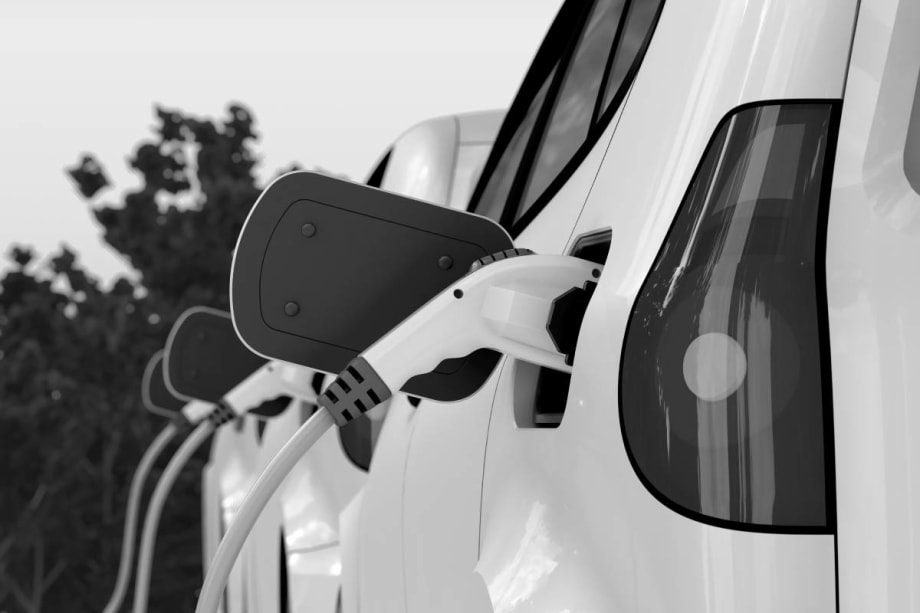
Know what you are looking for is the first step in narrowing down the search for the right EV for your application and making the transition manageable.
Photo via Getty Images
3 min to read
Fleet electrification is becoming more top of mind for businesses with mobile assets. If you're someone who is thinking about implementing electric vehicles (EVs) into their fleet, follow these steps to set up your business for success.
Step 1: Understand What Your Needs Are
This first step is crucial in narrowing down the search for the right EV for your application and making the transition manageable. To better understand your company's needs and better navigate the path to electrification, here are some essential questions to consider. These questions will help you build a solid implementation strategy.
Do all of your fleet vehicles need to be fully electric? If not, which vehicles in the fleet are the right ones to switch to EVs?
Is switching to EVs going to be viable operationally and financially? Can EVs do the work you do?
How many electric vehicles do you need and by when?
Which EV models are available in your market, and do they meet your needs?
Step 2: Financial Considerations
Purchasing EVs can come at a premium. A commercial electric vehicle can cost 30% to 40% more than a diesel vehicle. Potential rebates and incentives may offset those costs, as well as fuel savings, but do not depend on this alone. Understanding your expenses today and comparing them to future costs of an electric vehicle can help you calculate whether switching to EVs makes sense for your fleet. Consider the following:
What is your budget? Be sure to include money for the vehicle, charging infrastructure, software and tools, and driver training.
What government incentives or rebates are available to offset your costs?
Step 3: Considering Battery Range
EV ranges vary by make and model. It's critical to know the range you will require. Do you need a long-range battery EV offering a range of 200+ miles? Or will a short-range battery meet your needs? Perhaps a hybrid is better suited to your application. Also, answer the questions of: Where do we plan to charge the vehicles? Will employees charge them at home? Most battery ranges work better for fixed, urban environments. The further the distance and the harder the vehicle has to work puts more stress on the battery and will wear out faster.
Step 4: Getting Employees and Stakeholders to Buy-In
It's vital that everyone on your team be aware of and included in the process of implementing EVs, from investors to management staff, employees, and drivers. The best way to gather buy-in is to outline the total cost of ownership, the environmental and operational benefits, and the action plan for implementation.
There is no need to get overwhelmed by the beginning stages of EV adoption. Answering these questions early on can drive future decisions as you embark on your journey to a fleet powered by EVs.
Originally posted on Automotive Fleet
Subscribe to Our Newsletter
More Electric Vehicles
EV Charging Use Is Outpacing Infrastructure Growth
ChargePoint’s 2026 Charging Forward Report points to rising charger use, higher-powered charging, commercial vehicle electrification, and energy-management technology. Here’s what fleets should know.
Read More →
EV Realty Names Henrik Holland President as Charging Platform Expands
The former Prologis Mobility and Shell executive will help expand EV Realty’s truck charging business and move its power-first infrastructure model into autonomous vehicle depots and other fleet sectors.
Read More →
GreenPower Expands New Mexico EV Pilot With Larger Buses, V2G Testing
After logging more than 17,000 electric miles in the first year, New Mexico’s statewide pilot is moving into its second phase with larger vehicles, continued charging evaluations, and more.
Read More →
Can EV-as-a-Service Help Fleets Scale Electrification?
Sustainability Partners CEO Adam Cain explains how matching EVs, charging infrastructure, and duty cycles can help fleets scale electrification.
Read More →
How EV-as-a-Service Is Moving Fleets Beyond Pilots
Adam Cain, president and CEO of Sustainability Partners, explains how EV-as-a-service can help fleets scale deployments by addressing duty-cycle requirements and charging challenges.
Read More →
PowerFlex, The Mobility House Join Forces to Advance Fleet Electrification
Two EV charging providers are joining forces to deliver a broader portfolio of energy management and fleet electrification solutions.
Read More →
Ford Retools Louisville Plant for Fathom Electric Truck Production
Ford's $2 billion Louisville Assembly Plant overhaul introduces a three-part assembly process for the Fathom midsize electric truck, with production scheduled to begin in 2027.
Read More →
Merchants Fleet Reports 290M EV Miles as Fleets Navigate Changing Electrification Market
From millions in operating savings to hundreds of millions of EV miles, Merchants Fleet’s latest report reveals what’s working and what’s changing in fleet electrification.
Read More →
California District Commits to Electrify 25% of School Bus Fleet by 2028
One of the nation's largest school bus electrification projects to date demonstrates how grants, charging infrastructure, and public-private partnerships can help fleets transition to EVs at scale.
Read More →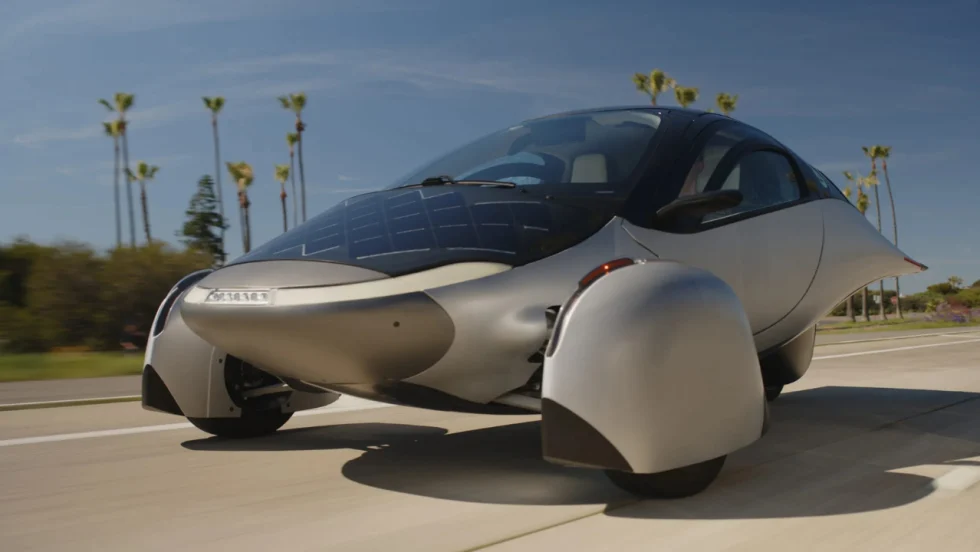
Aptera Orders Bodies and Chassis for Its First 40 Production Vehicles
Aptera Motors Corp. has issued purchase orders for the major structural components of its first 40 vehicles, and body and chassis components are expected to begin arriving in October.
Read More →