


Ed Bobit's Publisher's Page
Curiosly, the EPA has earned a new adversary, not in Detroit or Shelbyville, Indiana, but right in Washington, D.C. - no less than the Department of Energy (DOE).

Whenever government assumes to deliver us from the trouble of thinking for ourselves, the only consequences it produces are those of torpor, imbecility. --William Godwin: An Enquiry Concerning Political Justice, 1793.
One would think that the Environmental Protection Agency (EPA) was established primarily to perform as its name implies; i.e. to protect the gullible public. Much opposition has been generated in Detroit by the many EPA mandates. But, curiosly enough, EPA has earned a new adversary, not in Detroit or Shelbyville, Indiana, but right in Washington, D.C. - no less than the Department of Energy (DOE).
The DOE is about to announce the results of a study, costing several thousands of dollars, which shows that the motoring public is being misled by the mileage estimates that must appear on a window sticker on each new car sold (an item heavily advertised by the auto companies if the results are good). The EPA is just too optimistic about realistic fuel mileage. Any of us could have told the DOE that much, if we had been asked. Even though the EPA claims that its laboratory test findings are "approximate," it concludes that the figures published in its "mileage guide" booklet (with a distribution of 20-million copies each year) are valid for comparing various models for relative fuel consumption.
"Not so," says the DOE. The department's findings show that the disparity between road mileage and the laboratory ratings is increasing every year. In addition, results show that the gap between the official EPA ratings and the actual mileage is greater for small cars than it is for the larger models; strongly suggesting that there is not any logical correction factor that a car buyer can use to determine just what mileage he will get.
It does not take a great deal of imagination to determine that the EPA figures are costing Detroit, and the car buyer, literally millions in Detroit's engineering services, in the EPA test labs and in dealer showrooms. And the new car buyer really cannot use the data - it's not reliable.
The EPA does not give up easily. Its newest proposal, and one it is determined to get on the lawbooks, would make demands upon Detroit to produce a virtually tune-up-free car by 1980. The plan is for the EPA to conduct emissions certification tests on new cars with the engines adjusted to any point EPA chooses within the physically adjustable range of settings. Currently, Detroit chooses the specific and precise setting.
With the utilization of new computer- controlled systems and electronic ignition, Detroit may be able to meet his new demand, but not without penalty. In order to meet such a mandate, auto makers will be seriously limited in their range of adjustability. They might have to go to totally fixed settings on the ignition system, fuel control system, evaporative emission and exhaust recirculation system and on the air injection system. The obvious penalty is in performance. If you think that dealers are hearing complaints now about stalling, jerking and carburetor malfunctions, just wait until 1980.
Where have all the flowers gone? It used to be sheer enjoyment to drive a car. The EPA has other thoughts.
Originally posted on Automotive Fleet
More Legal/Legislative
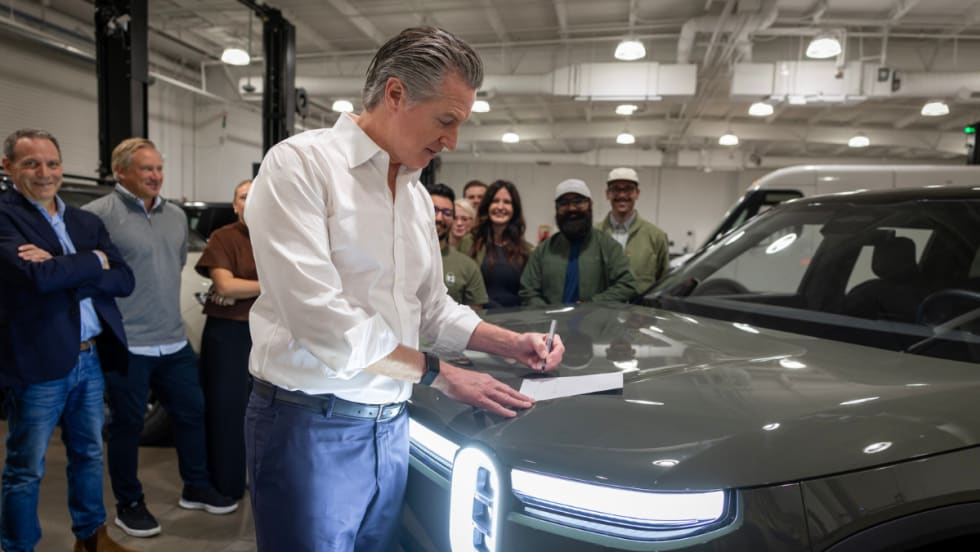
California Governor Approves Instant ZEV Rebates For First-Time Buyers
That instant rebate is the centerpiece of a broader $600 million package Governor Newsom signed into law, keeping California active in the global clean transportation race.
Read More →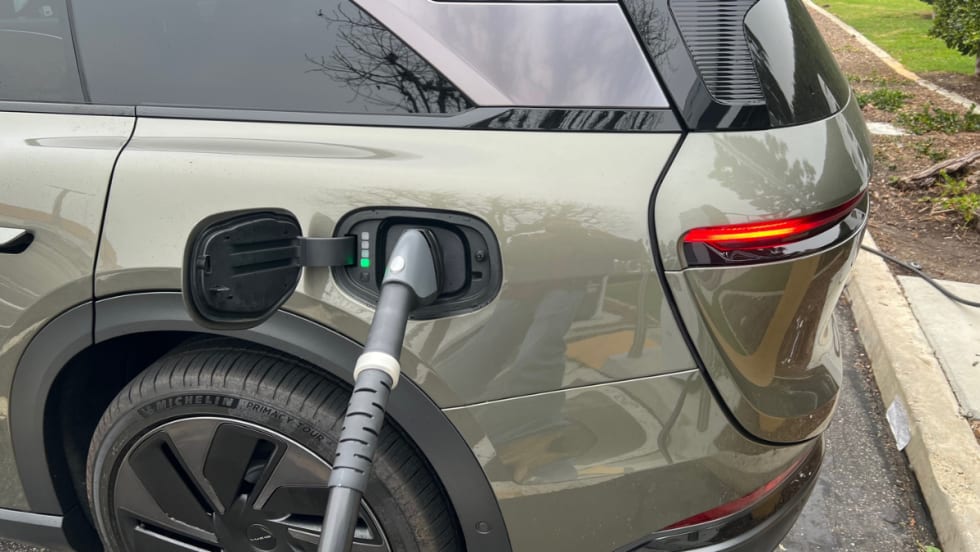
Used EVs Set Wholesale Sales Record In Q1
Rising gas prices may have boosted demand last month, as dealers pursued potential opportunities with more affordable used EVs.
Read More →
OEMS Expose Overdue EV Truths
Recent announcements from two automakers underscore a significant shift in the electric vehicle market, driven by EV losses and changing strategies. [VIDEO}
Read More →
The Freedom Era For Electric Vehicles
Season 2 Episode 1 of The Off-Peak premieres as the electric vehicle market no longer benefits from federal tax credits that expired at the end of Q3 2024. What does this mean for the future appeal of EVs?
Read More →
New Research Shows Renewed Potential And Tolerance For EVs
A new EV consumer survey finds partisan resistance is easing, but concerns around cost, incentives, and charging access still shape buyer interest.
Read More →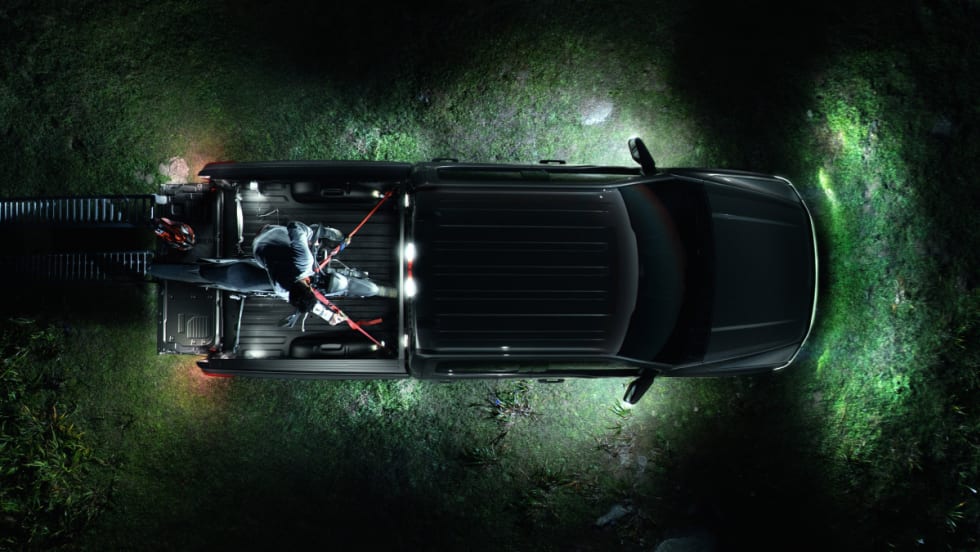
2025 Generated Big Headlines In The EV World
The EV industry entered a new more nuanced phase defined by realities and practical outcomes after a few years of grand visions, media hype, and bold investments.
Read More →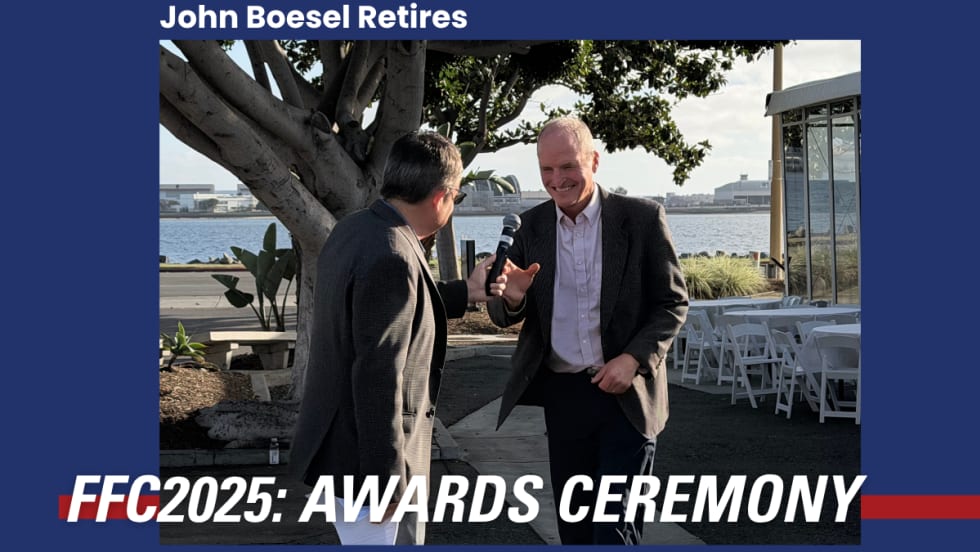
John Boesel Recognized at 2025 Fleet Forward Conference
Bobit recognized John Boesel, CEO of Calstart, who is retiring after over three decades of service.
Read More →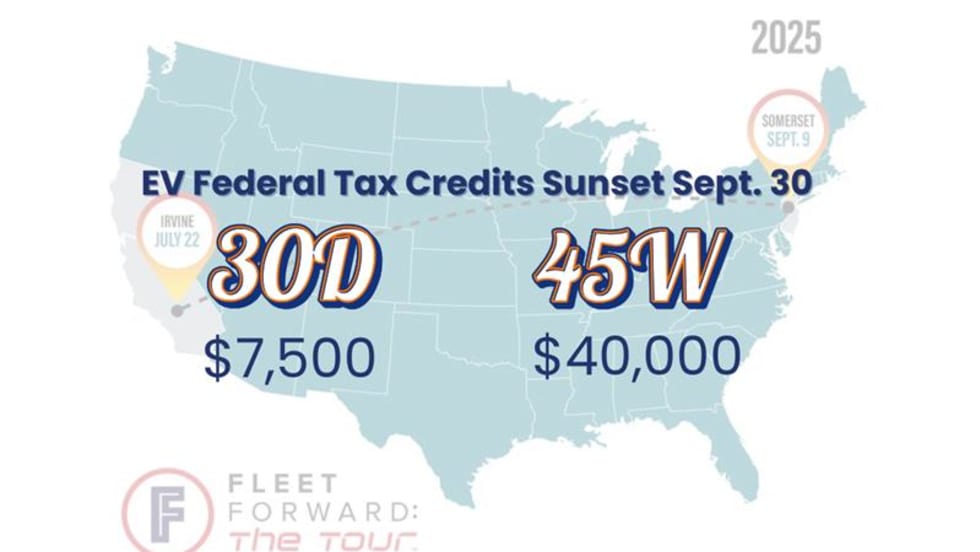
Final Push for Federal EV Incentives Highlighted at Fleet Forward Tour NJ Stop
Fleet managers in the Northeast will have a timely opportunity to take action on electric vehicle purchases at the upcoming Fleet Forward Tour stop in Somerset, NJ, on Sept. 9.
Read More →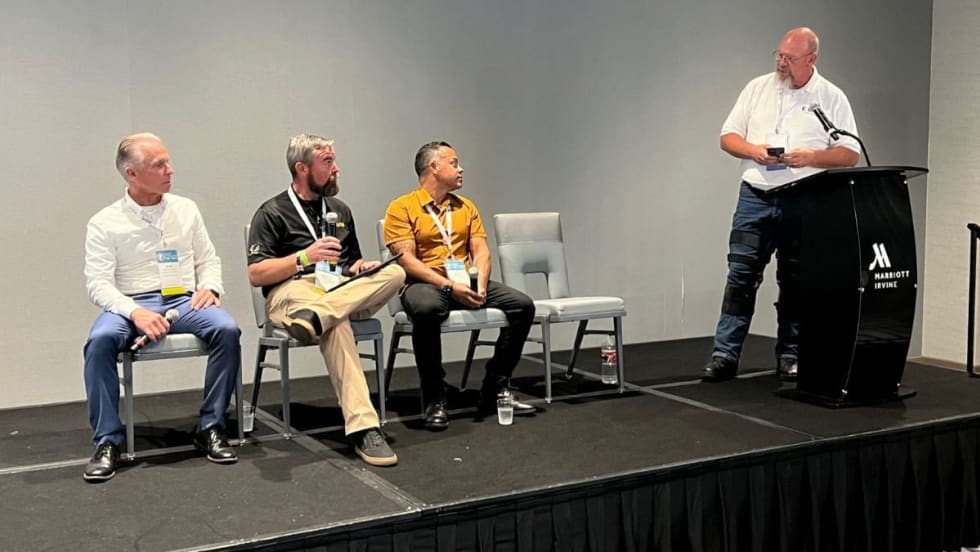
Latest Hard Realities, Top Pressures For Electric Fleets
Speakers and experts at Fleet Forward: The Tour shared hands-on, hard-won insights on how fleet operations are handling tariffs, EV charging, rules and regs, and safety issues.
Read More →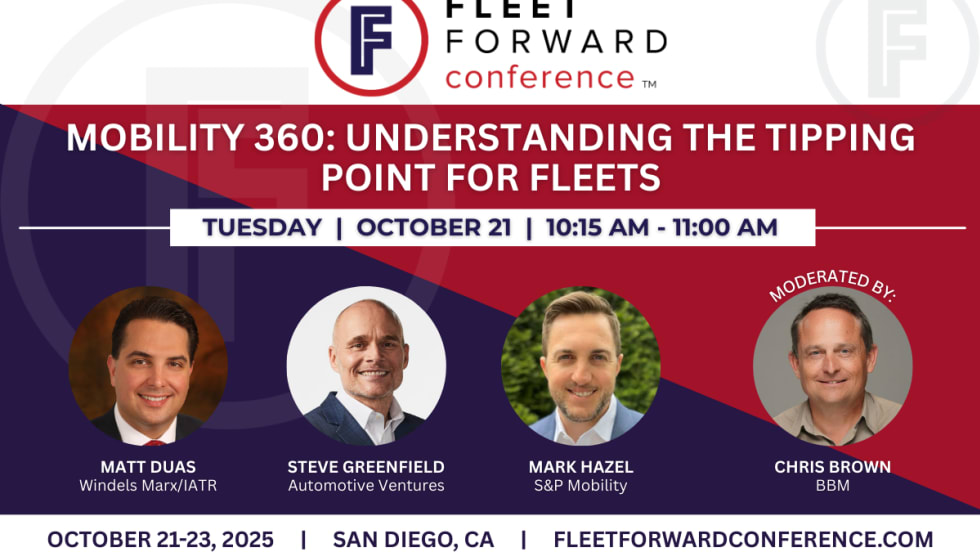
Mobility 360 Panel to Define the Fleet Industry’s Next Tipping Point
At the 2025 Fleet Forward Conference, experts in capital, policy, and data will assess which trends are transforming fleet.
Read More →