


Ecolab Boosts GHG-Reduction Efforts
Ecolab has been able to significantly reduce greenhouse gas (GHG) emissions and improve fuel efficiency in its fleet operations since 2006.

(L-R) Joe LaRosa, NAFA's international vice president, and Rick Sikes, chair of NAFA's Fuels & Technology Advisory Council, presented a Sustainable Fleet Award to Gayle Pratt, director of global fleet for Ecolab, at the 2012 NAFA Institute & Expo.
Ecolab Inc. has made great strides in “going green” over the past several years. Headquartered in St. Paul, Minn., the company provides cleaning, sanitizing, pest-elimination, food safety, and infection-prevention products and services in more than 160 countries around the globe.
Despite an increase in total vehicles and miles traveled, Ecolab has managed to reduce greenhouse gas (GHG) emissions, improve average mpg, and lower fuel consumption in its 7,000-vehicle U.S. fleet over a five-year period.
Striving for Greener Operations
Ranked No. 28 on Automotive Fleet’s 2012 Top 300 Commercial Fleets listing, Ecolab’s fleet operations are headed up by Gayle Pratt, director of global fleet. Pratt is responsible for its 7,900-plus vehicles in the U.S. and Canada, and more than 17,700 units globally. Under her leadership, Ecolab’s U.S. fleet operations was recognized as a “Sustainable Fleet” in April at the 2012 NAFA Fleet Management Association Institute & Expo in St. Louis.
The fleet’s drive to reduce GHG emissions aligns with Ecolab’s corporate goal to reduce U.S. GHG emissions per dollar of sales by 20 percent from the base year of 2006. From 2006 to 2011, Ecolab’s U.S. fleet achieved:
● A 22-percent reduction in GHG
emissions, normalized to sales.
● An 18-percent improvement in
average mpg per vehicle.
● A 12-percent absolute reduction
in GHG emissions.
● An 8-percent reduction in fuel
consumed (1.4 million gallons) while the
number of vehicles grew 1 percent and
total miles driven increased nearly 9 percent.
The company has incorporated sustainability principles into a revised fleet policy, changed vehicle models and measures, and managed the fleet sustainability program overall to meet both business and sustainability objectives.
“Our sustainability action plan included rightsizing the fleet and redefining the optimal vehicle for business requirements,” Pratt said. “We revised our fleet policies to acquire more fuel-efficient vehicles, focusing on EPA-certified SmartWay vehicles. We moved from large to intermediate to small vehicles; and from eight- to six- to four-cylinder engines whenever possible.”
Pratt led a fleet group that established a project charter and assembled a team of key individuals from 13 operational divisions, environmental health and safety, the fleet leasing supplier, and corporate communications.
In addition, fleet drivers participate in surveys, eco-driver awareness and safety training, and provide continuous feedback via a fleet Web portal. The fleet also implemented forecasting tools to determine how to optimize fleet operations to achieve both business goals and the company’s overall sustainability goals.
Ecolab has been on AF’s Top 50 Green Fleets listing since 2008, ranking in at No. 25 this year.
Originally posted on Automotive Fleet
More Legal/Legislative
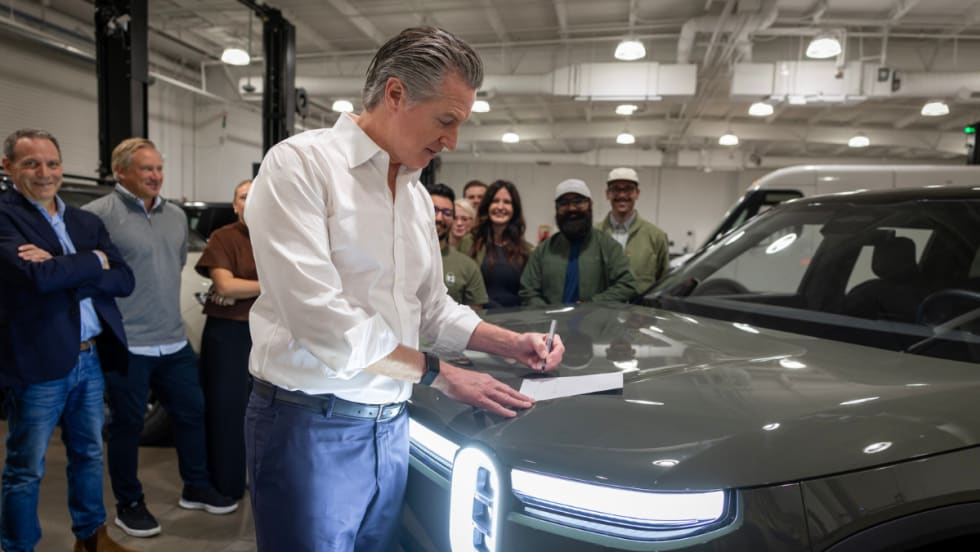
California Governor Approves Instant ZEV Rebates For First-Time Buyers
That instant rebate is the centerpiece of a broader $600 million package Governor Newsom signed into law, keeping California active in the global clean transportation race.
Read More →
Used EVs Set Wholesale Sales Record In Q1
Rising gas prices may have boosted demand last month, as dealers pursued potential opportunities with more affordable used EVs.
Read More →
OEMS Expose Overdue EV Truths
Recent announcements from two automakers underscore a significant shift in the electric vehicle market, driven by EV losses and changing strategies. [VIDEO}
Read More →
The Freedom Era For Electric Vehicles
Season 2 Episode 1 of The Off-Peak premieres as the electric vehicle market no longer benefits from federal tax credits that expired at the end of Q3 2024. What does this mean for the future appeal of EVs?
Read More →
New Research Shows Renewed Potential And Tolerance For EVs
A new EV consumer survey finds partisan resistance is easing, but concerns around cost, incentives, and charging access still shape buyer interest.
Read More →
2025 Generated Big Headlines In The EV World
The EV industry entered a new more nuanced phase defined by realities and practical outcomes after a few years of grand visions, media hype, and bold investments.
Read More →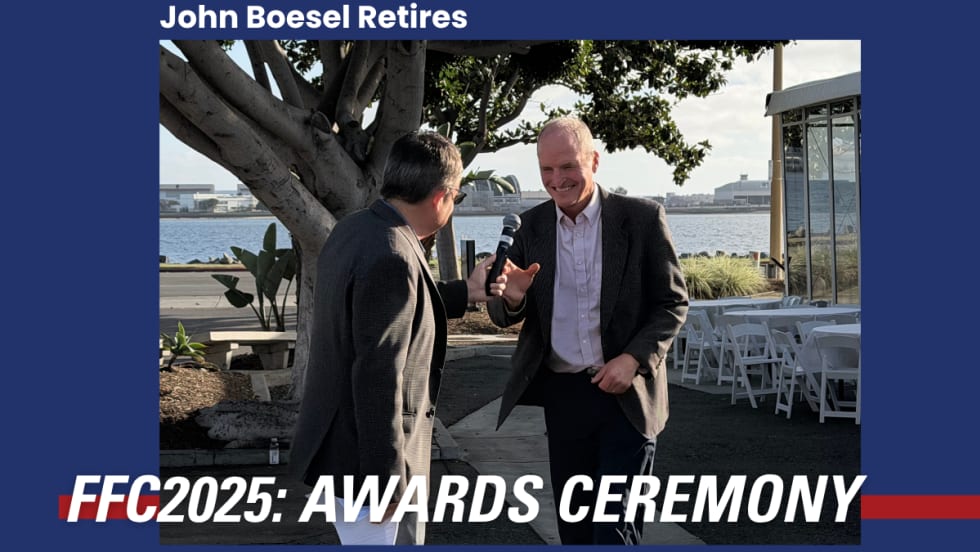
John Boesel Recognized at 2025 Fleet Forward Conference
Bobit recognized John Boesel, CEO of Calstart, who is retiring after over three decades of service.
Read More →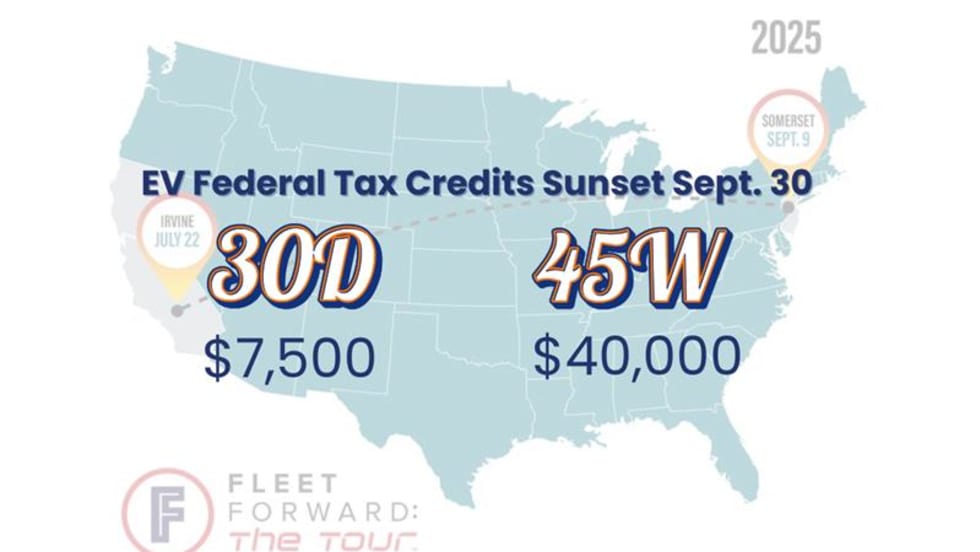
Final Push for Federal EV Incentives Highlighted at Fleet Forward Tour NJ Stop
Fleet managers in the Northeast will have a timely opportunity to take action on electric vehicle purchases at the upcoming Fleet Forward Tour stop in Somerset, NJ, on Sept. 9.
Read More →
Latest Hard Realities, Top Pressures For Electric Fleets
Speakers and experts at Fleet Forward: The Tour shared hands-on, hard-won insights on how fleet operations are handling tariffs, EV charging, rules and regs, and safety issues.
Read More →
Mobility 360 Panel to Define the Fleet Industry’s Next Tipping Point
At the 2025 Fleet Forward Conference, experts in capital, policy, and data will assess which trends are transforming fleet.
Read More →