


Chesapeake Energy Converting 5,000 Vehicles to Natural Gas
The natural gas company has converted 30 percent of its fleet to natural gas and is on track to meet its 2014 sustainability goal.

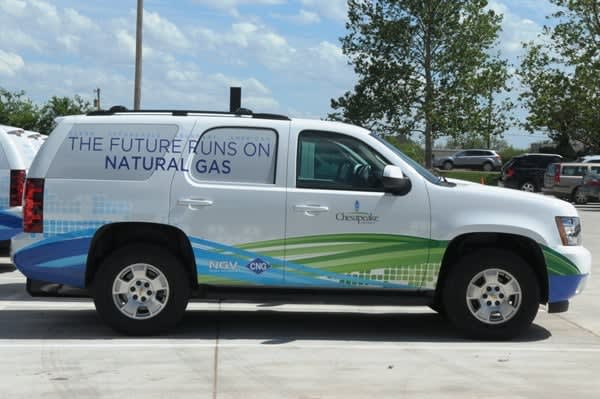
One of Chesapeake's natural-gas fueled fleet vehicles.
Across the U.S., new natural gas fueling stations are opening, automakers are now offering new dedicated compressed natural gas (CNG) and bi-fuel vehicles, and more companies and government entities are bringing natural gas vehicles into their fleets.
One company already benefitting from a mature natural gas fleet program is Chesapeake Energy Corporation, which has a goal of converting its nearly 5,000-vehicle fleet to run on CNG by 2014. Chesapeake is the second-largest producer of natural gas in the U.S. and a leading example of an energy producer using natural gas to fuel its fleet.
Green Fleet spoke with Nathan Pumphrey, director of fleet operations for Chesapeake, about the company’s progress toward meeting this goal and the benefits the company is seeing from its natural gas program.
Pumphrey explained that 70 to 80 percent of Chesapeake’s fleet consists of light-duty pickup trucks, though the company operates other vehicles, including the Honda Civic Natural Gas and Class 8 tractors. Chesapeake operates in a number of U.S. states, and is headquartered in Oklahoma City.
Chesapeake owns all of its vehicles, but does use the services of a fleet management company, Donlen, to manage the company’s fuel card program and handle day-to-day fleet maintenance.
“We have 1,800 vehicles converted and that number is growing,” Pumphrey said. “We’re on pace to convert 10-15 vehicles a week through the end of [2012] and are moving in that direction pretty rapidly. We’re also chasing the infrastructure, so when a new natural gas fueling station opens up, we’re right there to take advantage of it.”
Significant ROI
Chesapeake is seeing significant cost savings now that it has converted about one-third of its fleet.
“What we’re seeing today with the bi-fuel vehicles, with a targeted company-wide utilization rate of 80 percent, is fuel cost savings of 4-9 cents per mile,” Pumphrey explained. He added that total lifecycle cost savings are between $4,300 and $4,500 over gasoline models, and that he’s seeing solid resale values for the company’s CNG models, including vehicles with conversion systems.
“If our incremental cost for a CNG system was $10,000, and the residual value for the vehicle is 50 percent, the kit depreciates at about the same rate,” he said. “We would still have about $5,000 worth of residual value.”
Given that Chesapeake’s fleet consists of nearly 5,000 vehicles, Pumphrey said that in fuel spend alone the company is seeing potential savings between $11 million and $12 million. He said the best part of these savings, though, is the relative price stability of natural gas versus gasoline or diesel. With little change in natural gas pricing, he noted it is easier for him to budget year-over-year as a fleet manager.
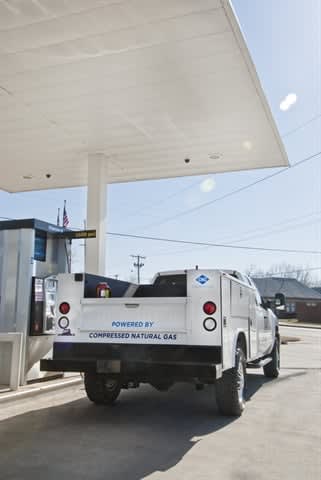
A Chesapeake natural gas fleet vehicle refueling.
Pumphrey also cited other benefits of natural gas models, such as slightly lower maintenance costs and reduced greenhouse gas emissions, at roughly 50 million lbs. of carbon displaced for the vehicles at the 80-percent utilization rate.
When discussing the challenges of getting CNG-fueled vehicles into the fleet, Pumphrey said up until recently, Chesapeake has been working with aftermarket vendors to add CNG fueling systems to the company’s vehicles. Today, with bi-fuel vehicles available directly from the OEMs, he’s able to get CNG models into service four to six weeks faster than before. Chesapeake uses vehicles from all three automakers (bi-fuel versions of the Ford F-250, Chevrolet Silverado 2500, and Ram 2500 HD).
Although more CNG models are available from the factory, Pumphrey said conversion systems have improved dramatically in the past few years, at half the cost and twice the reliability than when the company started converting fleet vehicles.
In the years to come, Pumphrey sees a bright future for CNG vehicles, including rapid adoption by companies and government entities, and eventually the public.
“Now, with the OEM adoption from the Detroit Three, I think we’re going to see a more rapid adoption than we’ve seen,” he said. “With new vehicles in the marketplace, people will take steps to get them. As infrastructure develops and new stations open, I think people will pile up to get those trucks in their hands.”
Originally posted on Automotive Fleet
More Legal/Legislative
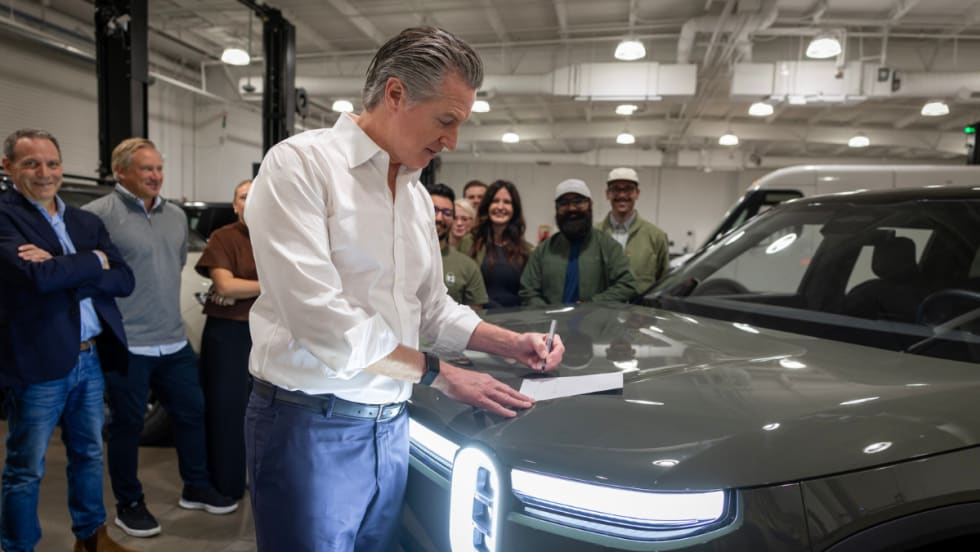
California Governor Approves Instant ZEV Rebates For First-Time Buyers
That instant rebate is the centerpiece of a broader $600 million package Governor Newsom signed into law, keeping California active in the global clean transportation race.
Read More →
Used EVs Set Wholesale Sales Record In Q1
Rising gas prices may have boosted demand last month, as dealers pursued potential opportunities with more affordable used EVs.
Read More →
OEMS Expose Overdue EV Truths
Recent announcements from two automakers underscore a significant shift in the electric vehicle market, driven by EV losses and changing strategies. [VIDEO}
Read More →
The Freedom Era For Electric Vehicles
Season 2 Episode 1 of The Off-Peak premieres as the electric vehicle market no longer benefits from federal tax credits that expired at the end of Q3 2024. What does this mean for the future appeal of EVs?
Read More →
New Research Shows Renewed Potential And Tolerance For EVs
A new EV consumer survey finds partisan resistance is easing, but concerns around cost, incentives, and charging access still shape buyer interest.
Read More →
2025 Generated Big Headlines In The EV World
The EV industry entered a new more nuanced phase defined by realities and practical outcomes after a few years of grand visions, media hype, and bold investments.
Read More →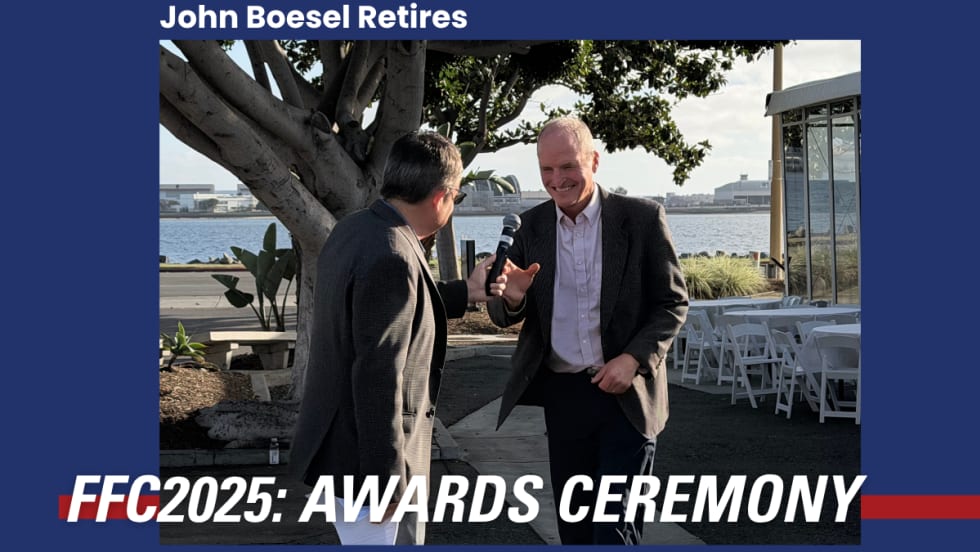
John Boesel Recognized at 2025 Fleet Forward Conference
Bobit recognized John Boesel, CEO of Calstart, who is retiring after over three decades of service.
Read More →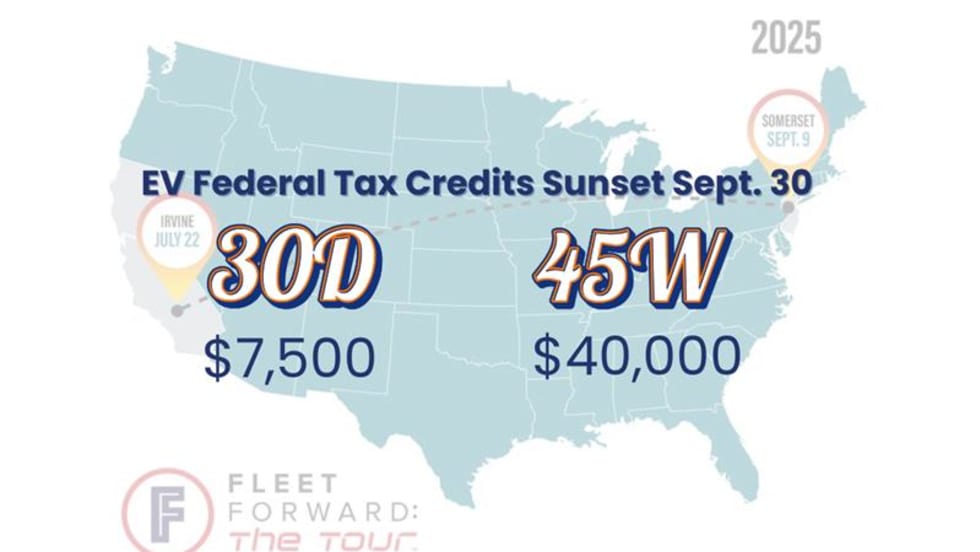
Final Push for Federal EV Incentives Highlighted at Fleet Forward Tour NJ Stop
Fleet managers in the Northeast will have a timely opportunity to take action on electric vehicle purchases at the upcoming Fleet Forward Tour stop in Somerset, NJ, on Sept. 9.
Read More →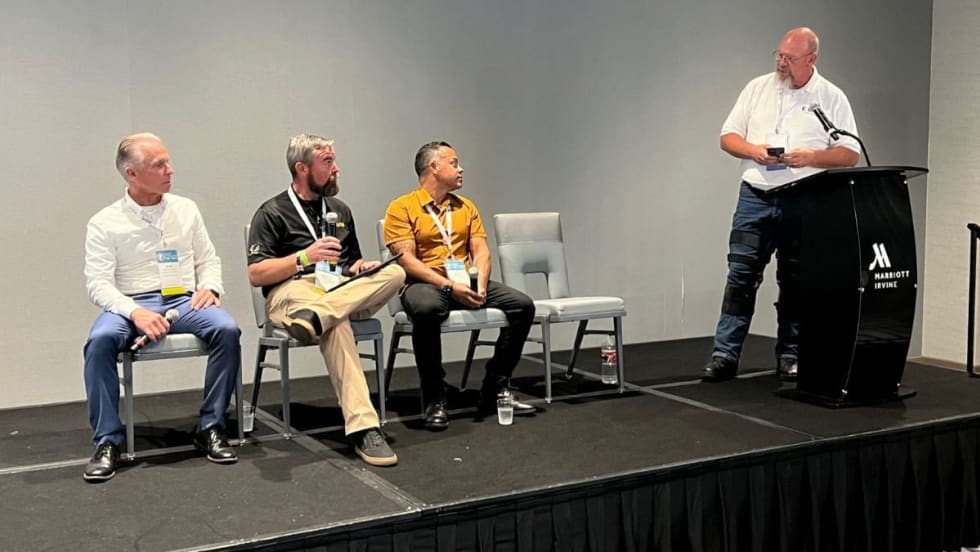
Latest Hard Realities, Top Pressures For Electric Fleets
Speakers and experts at Fleet Forward: The Tour shared hands-on, hard-won insights on how fleet operations are handling tariffs, EV charging, rules and regs, and safety issues.
Read More →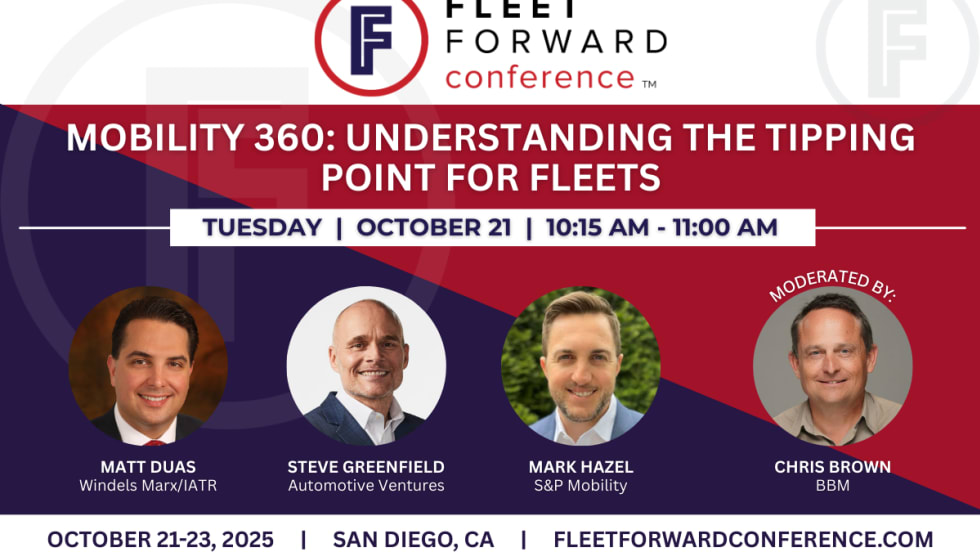
Mobility 360 Panel to Define the Fleet Industry’s Next Tipping Point
At the 2025 Fleet Forward Conference, experts in capital, policy, and data will assess which trends are transforming fleet.
Read More →