


Case Study: Water District Reduces Operating Costs with Telematics
Forced to establish mandatory water usage restrictions, Eastern Municipal Water District needed to reduce operating and labor costs to make up for shrinking revenues from lower customer consumption.

The California Delta supplies water to EMWD customers.
Photo: EMWD
Located in drought-stricken Riverside County, Calif., Eastern Municipal Water District (EMWD) provides fresh and recycled water and wastewater services to a 555-square-mile area.
The Fleet:
EMWD operates a 350-vehicle fleet.
The Challenge:
Forced to establish mandatory water usage restrictions, EMWD needed to reduce operating and labor costs to make up for shrinking revenues from lower customer consumption.
According to Mark Iverson, EMWD Maintenance Director, one of the agency's initial goals was to make more efficient use of its fleet. "When the district extended the criteria for vehicle life from 10 years/200,000 miles to 12 years/250,000 miles, we began a study that covered all aspects of fleet management and efficiency," he noted.
The Solution:
EMWD installed telematics devices on all 1996 or newer vehicles. In addition to the potential savings in operating costs, EMWD chose its telematics solution for the plug-and-play installation capability and 24/7 roadside assistance, which was included in the cost.
Because EMWD's telematics device connects to the engine's OBD-II, the organization can now remotely monitor engine diagnostics, fault codes, and emissions control system status. For example, EMWD staff receive an immediate alert when there is an engine problem, allowing them to proactively repair the vehicle before the problem worsens.
The Results:
EMWD initially focused on drivers' habits such as speed and idle time, which have a huge impact on fuel usage. This simple measure has improved mpg, while reducing the risk of speed-related accidents.
Since supervisors can now log in and view a GPS-based map of vehicle locations, they can dispatch the vehicle closest to an emergency or other work not scheduled in advance. With more efficient vehicle usage, employees drove about 165,000 fewer miles, and fuel costs declined by about $79,000 (as compared to the previous year's data for the same period).
Improved routing has also resulted in less time behind the wheel, giving EMWD employees more time to focus on work-related tasks. The payoff has been a significant reduction in the backlog of work.
"The final result is a productivity savings valued at nearly $354,000 in the six months alone," Iverson said. "Less time driving means more productive time for employees. We've already recouped our one-time equipment and startup costs in three months. And the money we save in fuel and labor more than pays for our monthly subscription fee."
Originally posted on Work Truck Online
More Electric Vehicles
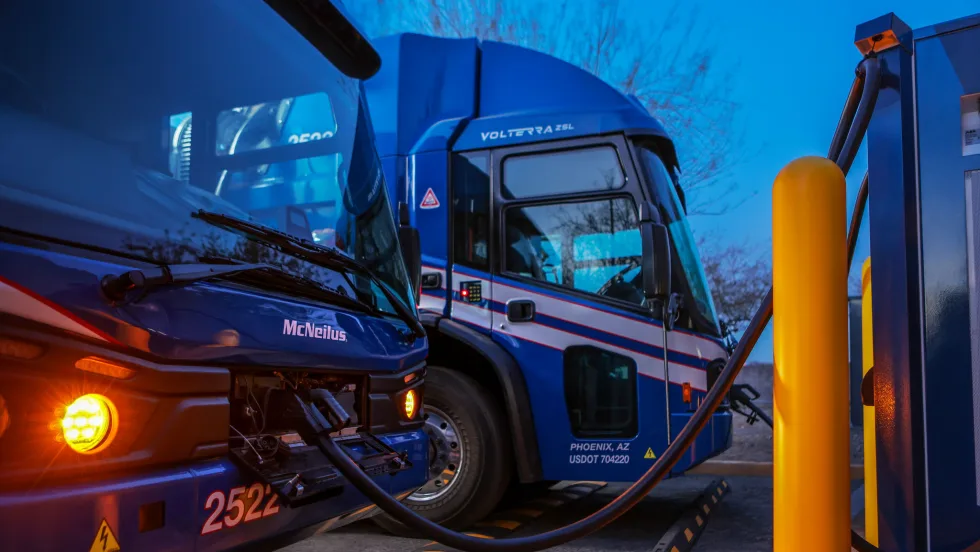
How Republic Services Decides Where Its Next Electric Trucks Can Go
With 250 electric collection trucks now in service, Republic Services is learning that scaling electrification depends less on proving the vehicle and more on whether each site can support what comes next.
Read More →
EV Charging Use Is Outpacing Infrastructure Growth
ChargePoint’s 2026 Charging Forward Report points to rising charger use, higher-powered charging, commercial vehicle electrification, and energy-management technology. Here’s what fleets should know.
Read More →
EV Realty Names Henrik Holland President as Charging Platform Expands
The former Prologis Mobility and Shell executive will help expand EV Realty’s truck charging business and move its power-first infrastructure model into autonomous vehicle depots and other fleet sectors.
Read More →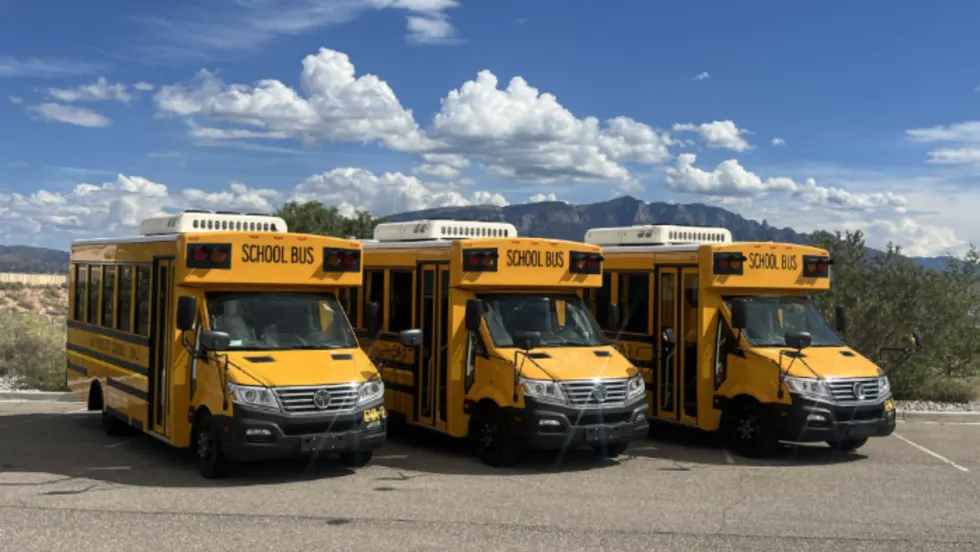
GreenPower Expands New Mexico EV Pilot With Larger Buses, V2G Testing
After logging more than 17,000 electric miles in the first year, New Mexico’s statewide pilot is moving into its second phase with larger vehicles, continued charging evaluations, and more.
Read More →
Can EV-as-a-Service Help Fleets Scale Electrification?
Sustainability Partners CEO Adam Cain explains how matching EVs, charging infrastructure, and duty cycles can help fleets scale electrification.
Read More →
How EV-as-a-Service Is Moving Fleets Beyond Pilots
Adam Cain, president and CEO of Sustainability Partners, explains how EV-as-a-service can help fleets scale deployments by addressing duty-cycle requirements and charging challenges.
Read More →
PowerFlex, The Mobility House Join Forces to Advance Fleet Electrification
Two EV charging providers are joining forces to deliver a broader portfolio of energy management and fleet electrification solutions.
Read More →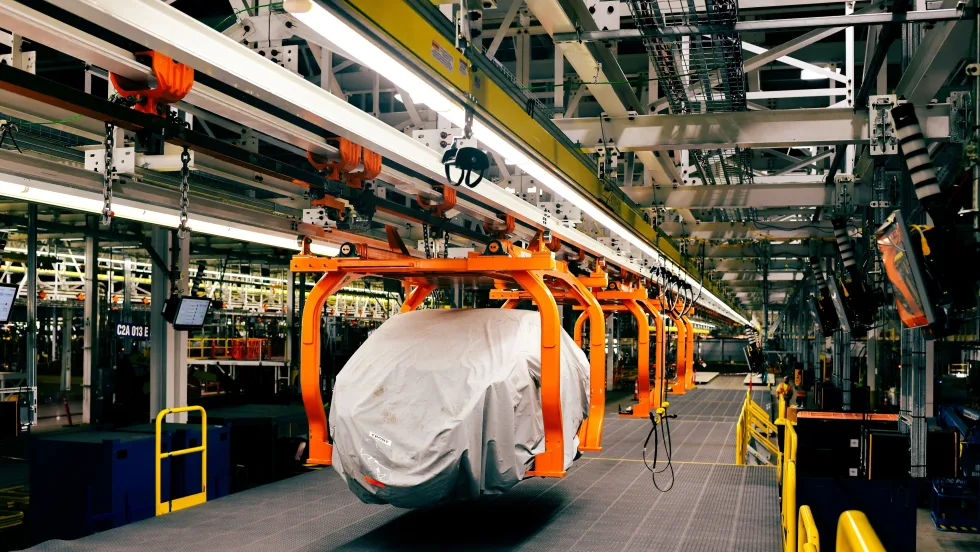
Ford Retools Louisville Plant for Fathom Electric Truck Production
Ford's $2 billion Louisville Assembly Plant overhaul introduces a three-part assembly process for the Fathom midsize electric truck, with production scheduled to begin in 2027.
Read More →
Merchants Fleet Reports 290M EV Miles as Fleets Navigate Changing Electrification Market
From millions in operating savings to hundreds of millions of EV miles, Merchants Fleet’s latest report reveals what’s working and what’s changing in fleet electrification.
Read More →
California District Commits to Electrify 25% of School Bus Fleet by 2028
One of the nation's largest school bus electrification projects to date demonstrates how grants, charging infrastructure, and public-private partnerships can help fleets transition to EVs at scale.
Read More →