


6 Factors to Consider When Moving to All-Electric Commercial Fleets
Except for charging infrastructure, the variables for planning fleet electrification span duty cycles, use cases, geography, reliability, fleet size, and availability.
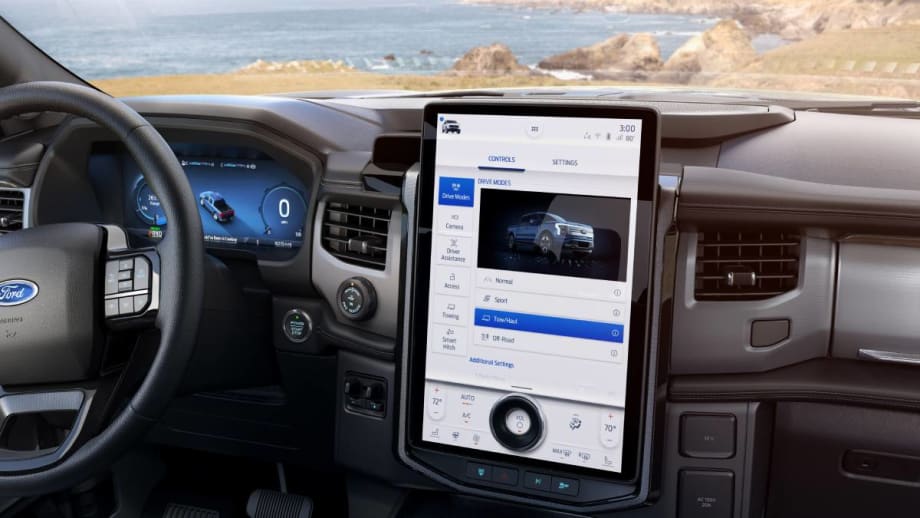
Fleets such as non-emergency medical transport vehicles, vans with wholesale delivery routes, and home services such as mobile vehicle maintenance or pet grooming are the perfect use case for BEVs.
File photo: Ford
The transition to battery electric vehicles (BEVs) is a conversation today in almost everyone’s social circle.
And while the path for transition to a BEV is quite clear for personal use, the path to transition commercial fleets remains challenging.
Although the most common argument against battery electric vehicles for personal and commercial use cases remains a lack of sufficient infrastructure, charging stations are not the only consideration for fleet managers considering this transition.
Here are six major factors:
Peak Demand and Duty Cycles: The number of shifts per day, total miles per shift, availability for charging and the length of those downtimes are essential to whether a commercial fleet will be able to transition to BEVs successfully. Vehicles only in use for eight hours per day, for example as in last-mile delivery, are a natural fit for a BEV fleet. Fewer than 50 miles driven daily and opportune times for recharging such as during loading periods are the best overall fit. Some use cases may require simple adjustments in duty cycles to ensure availability of charging, but BEVs may simply not work for industries that lack available downtime to charge or the downtime is rarely at a location with available charging access.
Use Cases: Fleets such as non-emergency medical transport vehicles, vans with wholesale delivery routes, and home services such as mobile vehicle maintenance or pet grooming are the perfect use case for BEVs. However, commercial fleets that require heavy auxiliary equipment or require power take-off (PTO) units are not the best fit for BEV transition. Tow trucks that use a winch regularly or a carpet cleaning fleet that uses truck-mounted water extraction machines likely would find a BEV transition to be challenging due to the nature of their work and equipment requirements.
Geography: Aside from local infrastructure and regulation, organizations should also consider their locations’ geographies, and in particular weather patterns. BEVs require more consideration because they can be affected by extreme cold and heat. For example, our partners at Escalent note that extreme cold can reduce a lot of range due to the energy needed to heat the cabin of a vehicle and lower battery efficiency at these temperatures. Extreme heat can speed up battery degradation. When encountering a battery issue in an ICE vehicle, the fix is relatively easy and inexpensive, however BEV battery replacements are much more time and capital intensive.
4. Dependability: While every business owner or fleet manager’s goal for their fleet is 100% uptime, that simply isn’t required for all business applications. In fact, mail couriers, garbage trucks, and delivery services can manage in the event they can’t provide services for a day or two. However, emergency fleets must be available 100% and ready to perform in the most extreme conditions. Utility fleets are a great example; they are not only required to operate in the most extreme weather conditions, in the event of a power outage they couldn’t function if their refueling mechanism was out of commission.
5. Fleet Size: Larger companies and publicly traded companies are certainly more motivated to consider a transition to BEVs, whether for their public image or from shareholder pressure to diminish their carbon footprint. But these organizations with larger fleets and ‘green’ goals also have the additional luxury of experimentation and increased resources. Under 5 to 10% of their fleet could provide a decent trial and won’t create the risk of impact it would for a smaller organization. For a smaller fleet, (62% of all fleets in the U.S. are five or fewer vehicles) the transition to a new fuel drive train is not just the cost of the investment in the vehicle, it demands new organizational planning, new insurance, and new processes. It probably also warrants new marketing to take advantage of the investment in the community.
6. Availability: In the last few years, the automotive industry has experienced vehicle inventory at the lowest levels ever. Although tax credits for personal BEVs are being limited, as long as the manufacturer is qualified (click here for the current list of qualified manufacturers) and the BEVs are used for commercial purposes, that model is eligible for a tax credit (read more here). And while demand for BEVs is smaller than for ICE vehicles in the commercial space today, OEMs are looking at ramping up production for BEVs for commercial use because overall commercial vehicle demand remains high.
3 Key Steps Toward Fleet Electrification
So, what should you do?
Review the Checklist. Consider your geography, availability of charging infrastructure, use case and consider if you can afford for your fleet, or portions of your fleet, to be out of commission for periods of tim;e either to charge or due to lack of charging availability in the event of an electrical outage.
Renting/Leasing: If a BEV transition still makes sense for your organization, then consider renting or lease options that would allow for an affordable way for your organization to test how a BEV transition may help or hurt your business and processes. You can compare the cost effectiveness of a BEV transition for your fleet, especially if you must consider public charging costs during peak load times, and can also plan any necessary adjustments to optimize duty cycles for when and how your fleet will charge.
Options & Upfits: Finally, talk with dealers and upfitters to understand your options and the availability of those options, and the best ways to upfit those vehicles. While the exterior of the vehicle often looks identical to an ICE vehicle, BEVs are structurally different and offer different opportunities to adjust an upfit for your needs. A BEV transition may be beneficial for your commercial fleet, but understanding the considerations beyond infrastructure is essential to a successful transition.
Originally posted on Automotive Fleet
More Electric Vehicles
EV Charging Use Is Outpacing Infrastructure Growth
ChargePoint’s 2026 Charging Forward Report points to rising charger use, higher-powered charging, commercial vehicle electrification, and energy-management technology. Here’s what fleets should know.
Read More →
EV Realty Names Henrik Holland President as Charging Platform Expands
The former Prologis Mobility and Shell executive will help expand EV Realty’s truck charging business and move its power-first infrastructure model into autonomous vehicle depots and other fleet sectors.
Read More →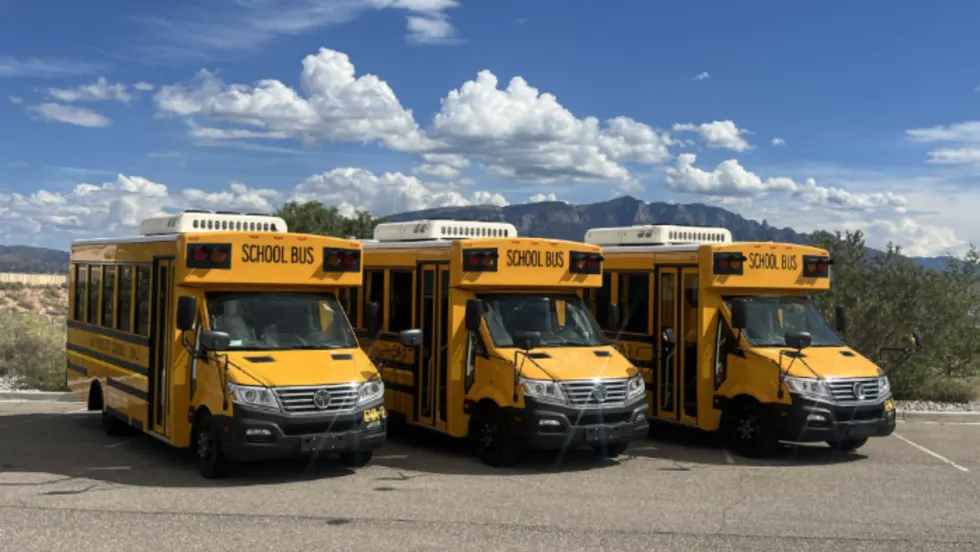
GreenPower Expands New Mexico EV Pilot With Larger Buses, V2G Testing
After logging more than 17,000 electric miles in the first year, New Mexico’s statewide pilot is moving into its second phase with larger vehicles, continued charging evaluations, and more.
Read More →
Can EV-as-a-Service Help Fleets Scale Electrification?
Sustainability Partners CEO Adam Cain explains how matching EVs, charging infrastructure, and duty cycles can help fleets scale electrification.
Read More →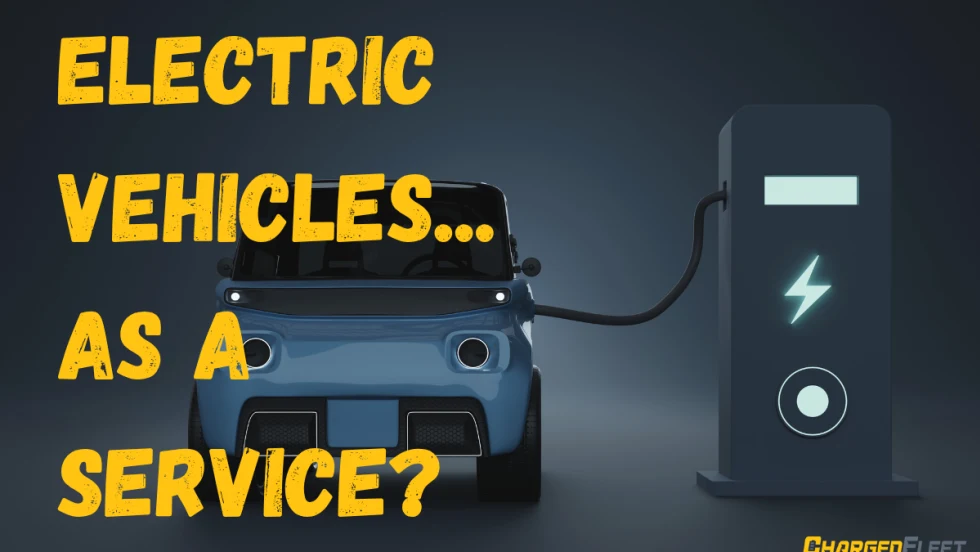
How EV-as-a-Service Is Moving Fleets Beyond Pilots
Adam Cain, president and CEO of Sustainability Partners, explains how EV-as-a-service can help fleets scale deployments by addressing duty-cycle requirements and charging challenges.
Read More →
PowerFlex, The Mobility House Join Forces to Advance Fleet Electrification
Two EV charging providers are joining forces to deliver a broader portfolio of energy management and fleet electrification solutions.
Read More →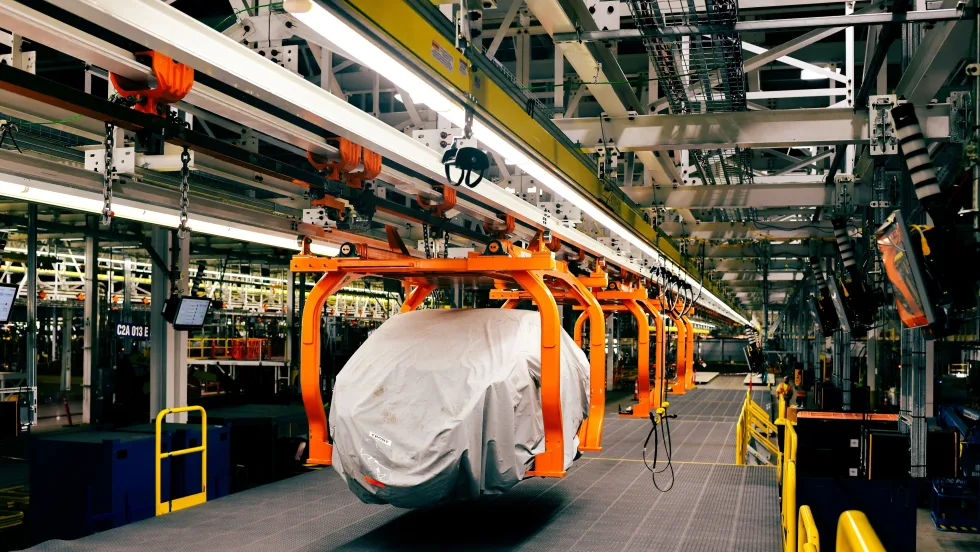
Ford Retools Louisville Plant for Fathom Electric Truck Production
Ford's $2 billion Louisville Assembly Plant overhaul introduces a three-part assembly process for the Fathom midsize electric truck, with production scheduled to begin in 2027.
Read More →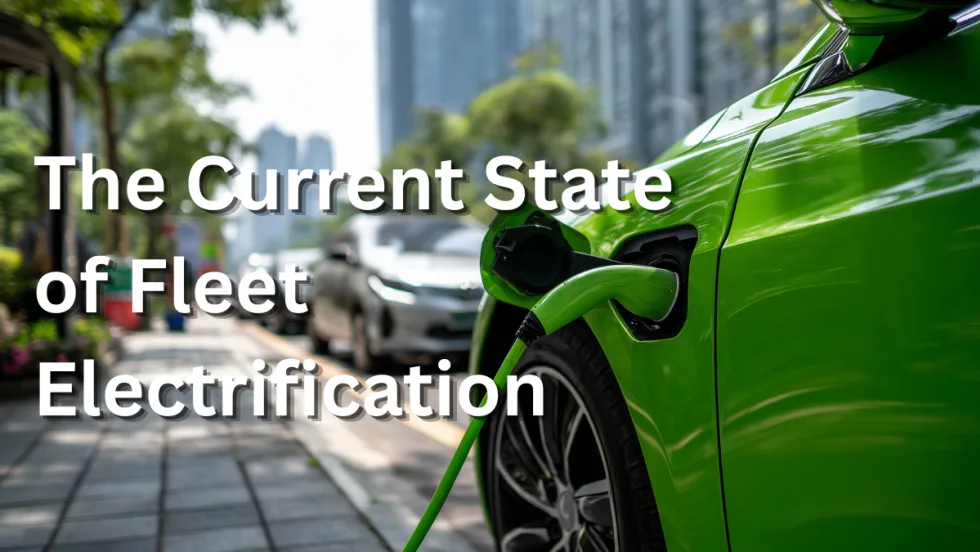
Merchants Fleet Reports 290M EV Miles as Fleets Navigate Changing Electrification Market
From millions in operating savings to hundreds of millions of EV miles, Merchants Fleet’s latest report reveals what’s working and what’s changing in fleet electrification.
Read More →
California District Commits to Electrify 25% of School Bus Fleet by 2028
One of the nation's largest school bus electrification projects to date demonstrates how grants, charging infrastructure, and public-private partnerships can help fleets transition to EVs at scale.
Read More →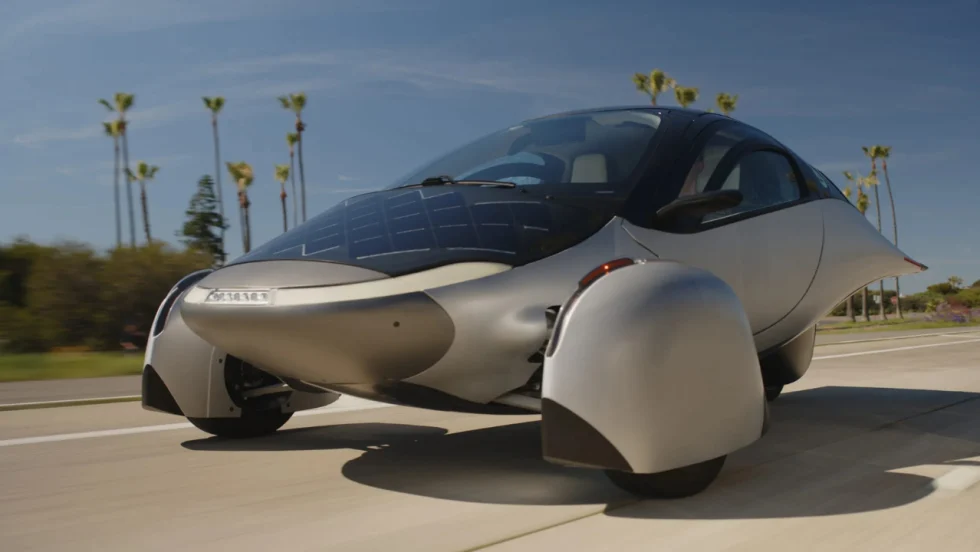
Aptera Orders Bodies and Chassis for Its First 40 Production Vehicles
Aptera Motors Corp. has issued purchase orders for the major structural components of its first 40 vehicles, and body and chassis components are expected to begin arriving in October.
Read More →