



Similar News: Regulatory Update: Congress and President Trump Officially Rescind California Clean Car and Truck Mandates
Ruling Could Undercut California’s Zero-Emission Vehicle Authority
The Supreme Court decision gives fuel producers the leeway to challenge an EV mandate waiver — raising new questions about the future of clean vehicle rules on fleet electrification.
June 24, 2025
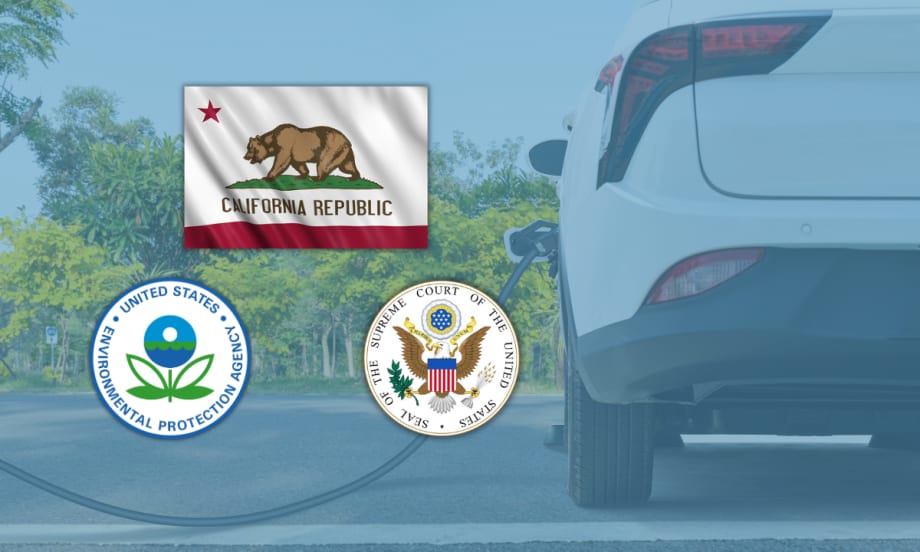
A Supreme Court decision revives a legal challenge to California’s zero-emission vehicle standards, potentially impacting the regulatory path for fleet electrification.
Photo: Charged Fleet
3 min to read
The Supreme Court ruled on June 20 that fuel industry groups have legal standing to challenge the Environmental Protection Agency’s waiver that allowed California to implement its Advanced Clean Cars I standards.
While this case concerns light-duty electric vehicle mandates, it represents another instance of legal challenges aimed at California’s ability to set its own vehicle emissions standards — an authority that also underpins electric truck regulations.
The decision arrives amid broader efforts to roll back clean vehicle policies. Just days earlier, former President Trump signed Congressional resolutions revoking EPA waivers issued during the Biden Administration for Advanced Clean Cars II, the Advanced Clean Trucks (ACT) regulation, and the Heavy-Duty Low-NOx Omnibus Rule—key policies driving electrification in both light- and heavy-duty fleet sectors.
The legality of using the Congressional Review Act to revoke those waivers is now being challenged. California and 10 other states quickly filed a lawsuit opposing what they called “illegal resolutions targeting California’s clean vehicles program.”
Supreme Court Ruling Opens Door for Challenge
The case focused on California’s earlier electric vehicle mandate, Advanced Clean Cars I.
In Diamond Alternative Energy LLC v. EPA, Valero’s Diamond Alternative Energy and other fuel industry groups argued that the EPA exceeded its authority under the Clean Air Act by granting California a waiver to enforce the rules. They claimed this harmed their business by lowering demand for liquid fuels.
In a 7-2 decision, the Supreme Court overturned a lower court ruling that had dismissed the case for lack of legal standing. The justices ruled that the fuel companies have standing to challenge the waiver and sent the case back to the lower court for reconsideration.
“The government generally may not target a business or industry through stringent and allegedly unlawful regulation and then evade the resulting lawsuits by claiming that the targets of its regulation should be locked out of court as unaffected bystanders,” wrote Justice Brett Kavanaugh for the majority.
Justices Ketanji Brown Jackson and Sonia Sotomayor dissented. Jackson noted that the Clean Car I rules are set to expire soon and questioned the court’s decision to intervene at this stage.
Narrow Ruling, Bigger Implications for Zero-Emission Vehicle Policy
The case did not directly address California’s longstanding authority under the Clean Air Act or the merits of its Clean Car I standards. Those rules remain in full force and effect, according to the Environmental Defense Fund.
“The Supreme Court declined review of a question challenging the constitutionality of the Clean Air Act provision authorizing California’s standards,” the organization noted.
However, the ruling spurs renewed legal scrutiny of California’s regulatory authority — an issue that could influence the future of EV mandates like Advanced Clean Cars II and Advanced Clean Trucks, which many states use to speed up fleet electrification.
For fleet operators, the case adds to growing legal uncertainty around state-level zero-emission vehicle rules. While EV-related regulations remain intact, continued challenges could impact long-term planning for vehicle procurement, compliance, and sustainability targets.
More Legal/Legislative
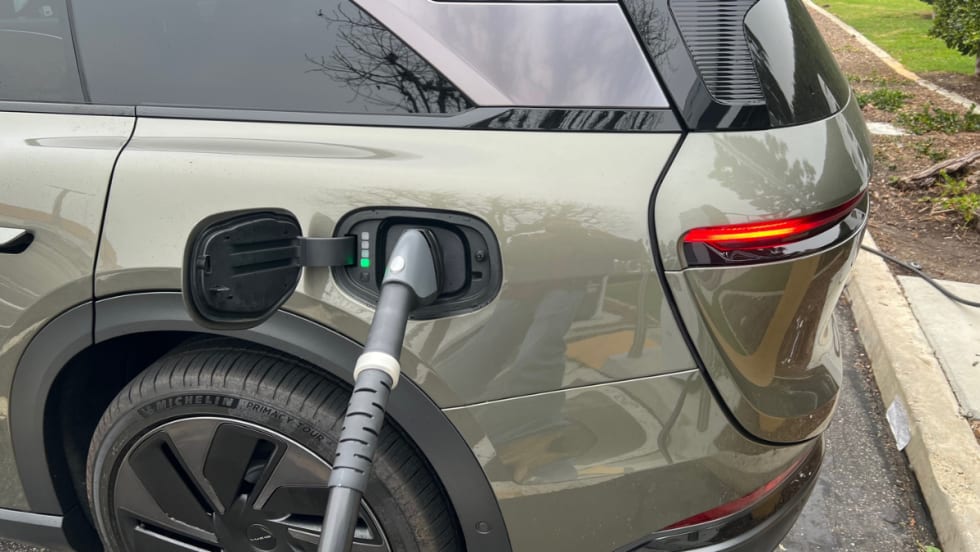
Used EVs Set Wholesale Sales Record In Q1
Rising gas prices may have boosted demand last month, as dealers pursued potential opportunities with more affordable used EVs.
Read More →
OEMS Expose Overdue EV Truths
Recent announcements from two automakers underscore a significant shift in the electric vehicle market, driven by EV losses and changing strategies. [VIDEO}
Read More →
The Freedom Era For Electric Vehicles
Season 2 Episode 1 of The Off-Peak premieres as the electric vehicle market no longer benefits from federal tax credits that expired at the end of Q3 2024. What does this mean for the future appeal of EVs?
Read More →
New Research Shows Renewed Potential And Tolerance For EVs
A new EV consumer survey finds partisan resistance is easing, but concerns around cost, incentives, and charging access still shape buyer interest.
Read More →
2025 Generated Big Headlines In The EV World
The EV industry entered a new more nuanced phase defined by realities and practical outcomes after a few years of grand visions, media hype, and bold investments.
Read More →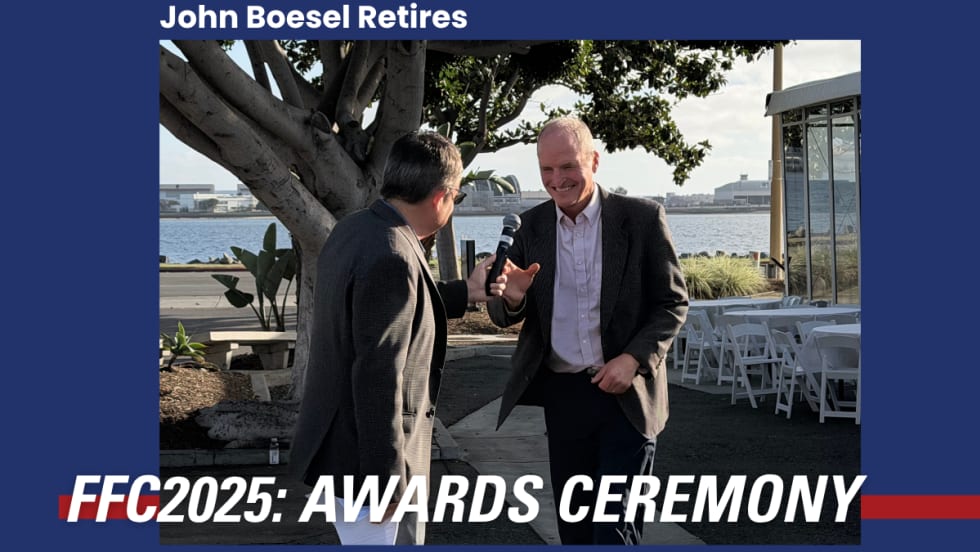
John Boesel Recognized at 2025 Fleet Forward Conference
Bobit recognized John Boesel, CEO of Calstart, who is retiring after over three decades of service.
Read More →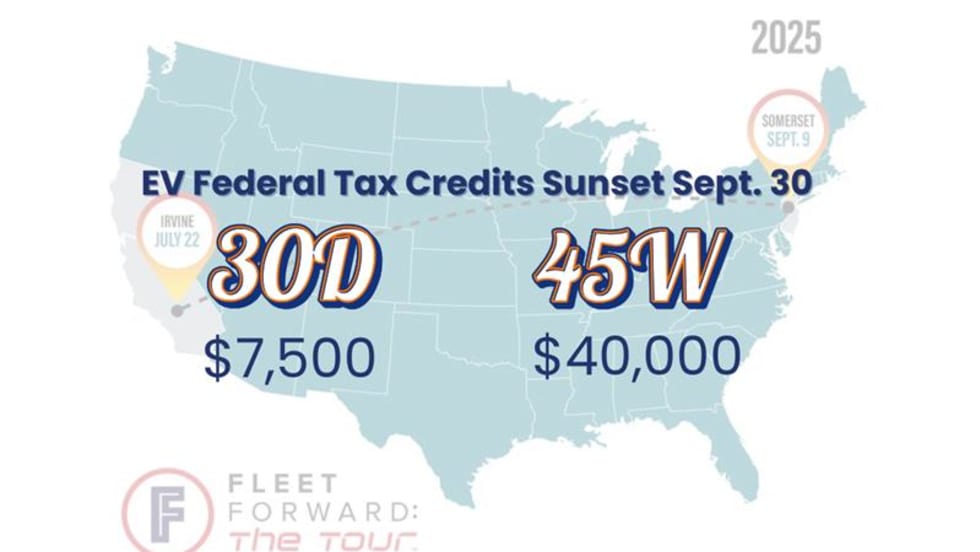
Final Push for Federal EV Incentives Highlighted at Fleet Forward Tour NJ Stop
Fleet managers in the Northeast will have a timely opportunity to take action on electric vehicle purchases at the upcoming Fleet Forward Tour stop in Somerset, NJ, on Sept. 9.
Read More →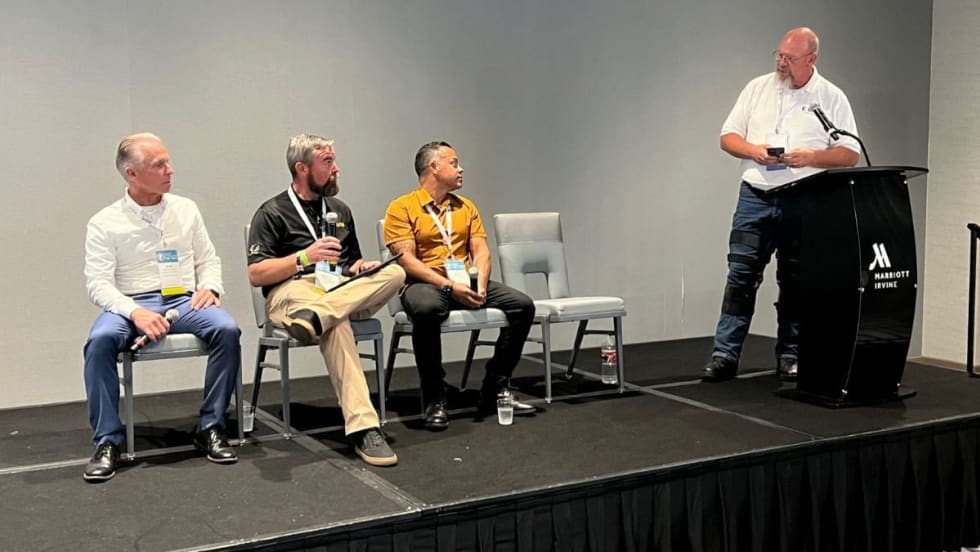
Latest Hard Realities, Top Pressures For Electric Fleets
Speakers and experts at Fleet Forward: The Tour shared hands-on, hard-won insights on how fleet operations are handling tariffs, EV charging, rules and regs, and safety issues.
Read More →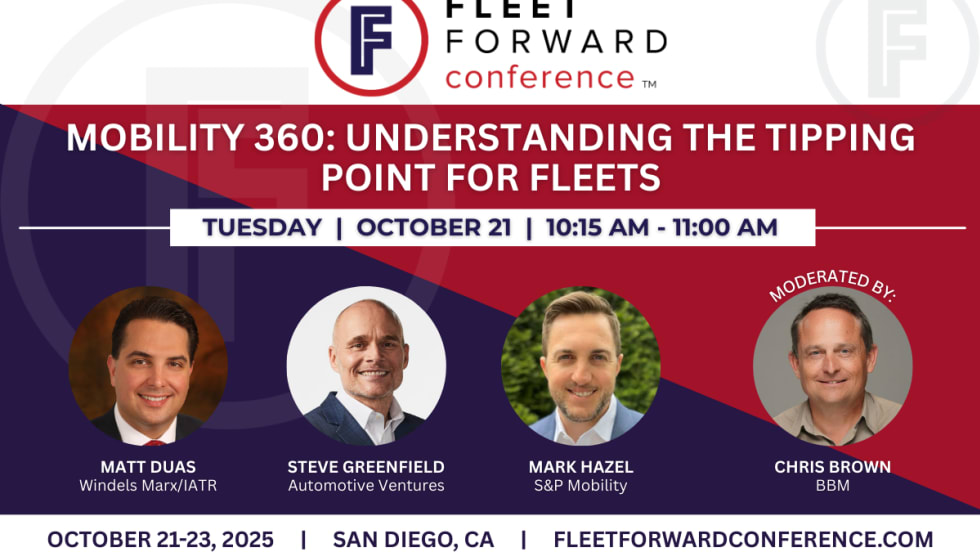
Mobility 360 Panel to Define the Fleet Industry’s Next Tipping Point
At the 2025 Fleet Forward Conference, experts in capital, policy, and data will assess which trends are transforming fleet.
Read More →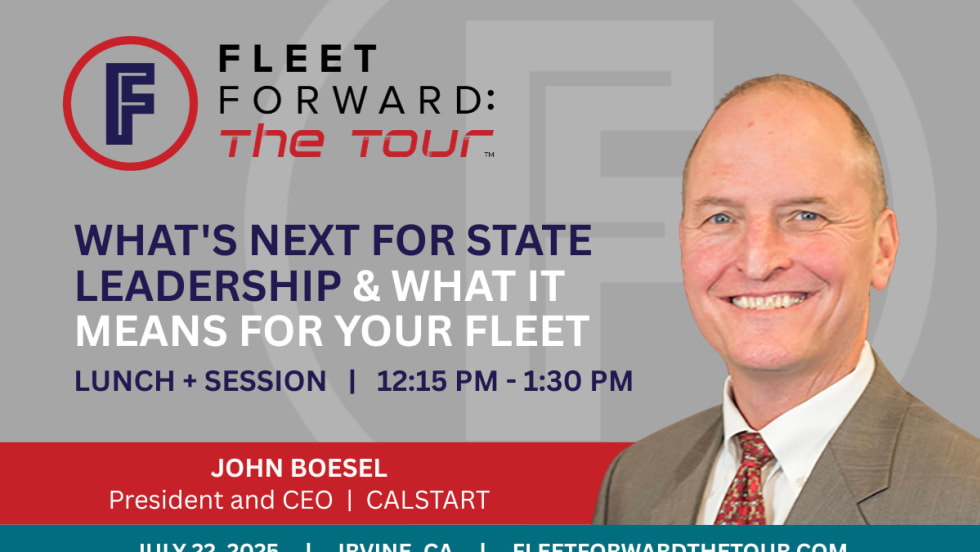
Fleet Forward Tour Irvine: Calstart CEO to Address Shifting Policy Landscape
At the July 22 event, John Boesel will deliver guidance on California’s new clean vehicle policy directives.
Read More →