


This New Electric Mobile Vaccination Unit is Gaining Importance
Through a partnership with Element and Karma Automotive, Ayro CEO Rod Keller believes the company’s electric low-speed vehicle will aid efforts to vaccinate a greater share of the U.S. population.

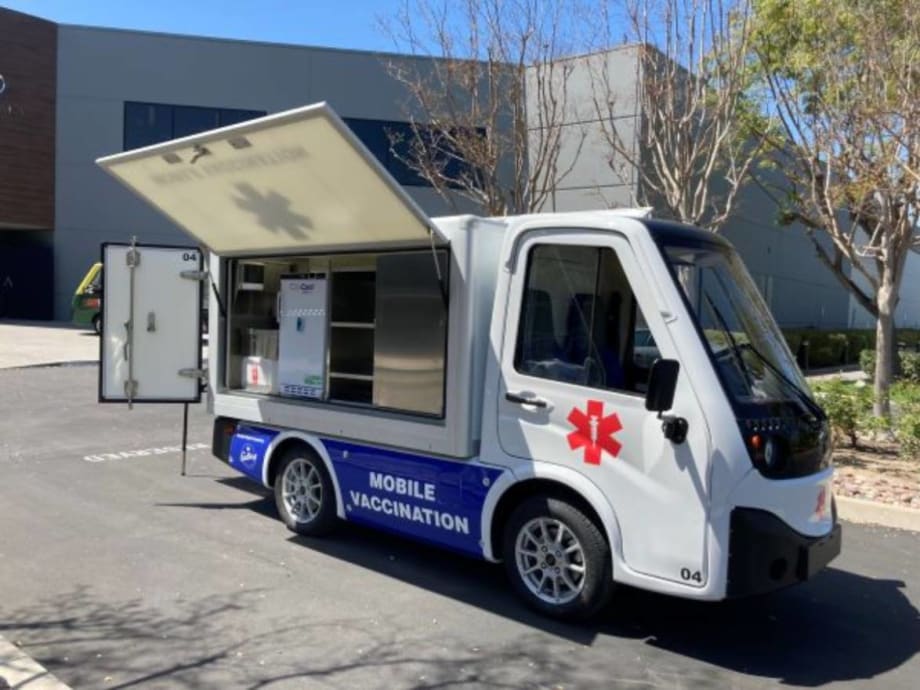
Each EVV is outfitted with a medical-grade freezer that will hold up to 1,000 vials at minus 70 degrees, as well as a CDC-tested refrigeration unit.
Photo: Chris Brown
The rate of vaccinations to inoculate against the COVID-19 virus in the U.S. peaked on April 1 and has been on a steady decline since, yet only 46% of the total U.S. population has been vaccinated as of May 12. This slowing has pushed local governments and health experts to get creative in luring the remaining eligible population to get their shots — from giveaways such as food and drinks to vaccinating in unique destinations such as museums or an aircraft carrier.
Rod Keller thinks this electric vaccine vehicle could play a part in increasing those percentages: “If the goal is to get vaccinations in as many arms as quickly as we can, instead of forcing everyone into vaccination centers with very long lines, the vaccine could come to them.”
Keller is the CEO of Ayro, a Texas-based designer and manufacturer of purpose-built electric vehicles. This includes Ayro’s Electric Vaccine Vehicle (EVV), which was launched on March 8. Ayro’s new mobile unit hasn’t yet distributed vaccines, but Keller says FEMA is evaluating an EVV and initial orders have been booked through Element Fleet Management, its leasing and sales partner.
The EVV is licensed to operate at 25 mph on streets with posted speeds up to 35 mph. Keller surmises the vehicle would travel into neighborhoods around hospitals to vaccinate, but a more common deployment would be into pharmacy or retail parking lots and inside places like civic auditoriums or arenas without the worry of exhaust fumes. The vaccination station takes minutes to open and requires a footprint of only 100 square feet, Keller says.
The EVV can be spec’d with two battery options — a lead-acid marine-type battery that delivers a 50-mile range plus six to eight hours of equipment operation on a charge — or a lithium-ion battery that gives 90 miles of range and nine to 10 hours of operation. Both can be plugged into shore power to operate the unit when standing.
Each EVV is outfitted with a medical-grade freezer that will hold up to 1,000 vials at minus 70 degrees, as well as a CDC-tested refrigeration unit. From conversations with potential buyers, Keller says removing the expensive and heavy freezer and using just the refrigerator would satisfy daily operations.
The vehicle is also designed with mobile onboard sinks, a water tank storage box, storage units for personal protective equipment, integrated 120V power outlets, a drop-down utility treatment table, and Bluetooth-enabled data loggers to virtually track and log pharmaceutical conditions.
“It's truly a mobile doctor's office,” Keller says. The MSRP for the vaccine EV is about $60,000 depending on options.
Other Configurations
Ayro’s EVV is being assembled at Karma Automotive’s Innovation and Customization Center in Moreno Valley, California with help from Karma engineers and designers. The goal of the partnership is to produce over 20,000 light-duty trucks and electric delivery vehicles over the next three years.
For Karma, makers of boutique luxury electric cars, the partnership expands its production facilities and engineering and design services to a client roster outside of its traditional base. “Ayro has a large footprint in fleet and commercial vehicle applications,” said Greg Tarr, chief strategy officer at Karma Automotive. “They are helping us to better understand that space as we expand into new commercial sectors that can benefit from our sustainable vehicle solutions.”
The vaccine unit is only one of many confiugrations that can be built on the platform. Ayro last year signed a partnership with Gallery Carts to engineer a low-speed, campus accessible electric “mobile hospitality” version. The hospitality unit can deliver hot and cold and prepackaged foods outdoors on university and corporate campuses or airports, hospitals, and hotels. This new way to distribute food and goods alleviates the need for gathering in indoors.
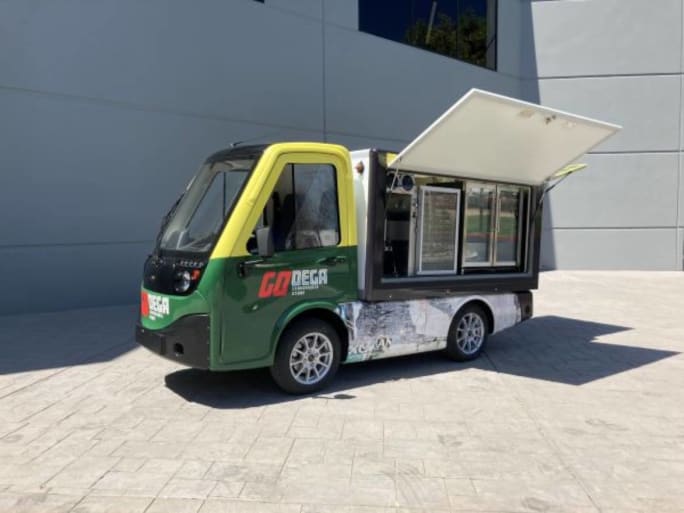
Photo: Chris Brown
Ayro also launched an electric low-speed utility vehicle through a partnership with Club Car formed last year. The Club Car 411 model comes in van box, pickup, or flatbed versions and has a max payload of 1,246 lbs.
With the Element and Club Car dealer and maintenance network, “We have the entire ecosystem in place to not just sell these vehicles but support them after the sale,” Keller says.
Regarding the EVV, Keller points out that herd immunity wouldn’t necessarily quell sales. “Just as vaccines are modified every year to address new flu strains, the COVID-19 vaccination may become a yearly ritual to inoculate against mutated strains,” he says. “The need for these vehicles will not stop after the balance of the population gets a COVID-19 vaccine.”
Originally posted on Automotive Fleet
More Electric Vehicles
EV Charging Use Is Outpacing Infrastructure Growth
ChargePoint’s 2026 Charging Forward Report points to rising charger use, higher-powered charging, commercial vehicle electrification, and energy-management technology. Here’s what fleets should know.
Read More →
EV Realty Names Henrik Holland President as Charging Platform Expands
The former Prologis Mobility and Shell executive will help expand EV Realty’s truck charging business and move its power-first infrastructure model into autonomous vehicle depots and other fleet sectors.
Read More →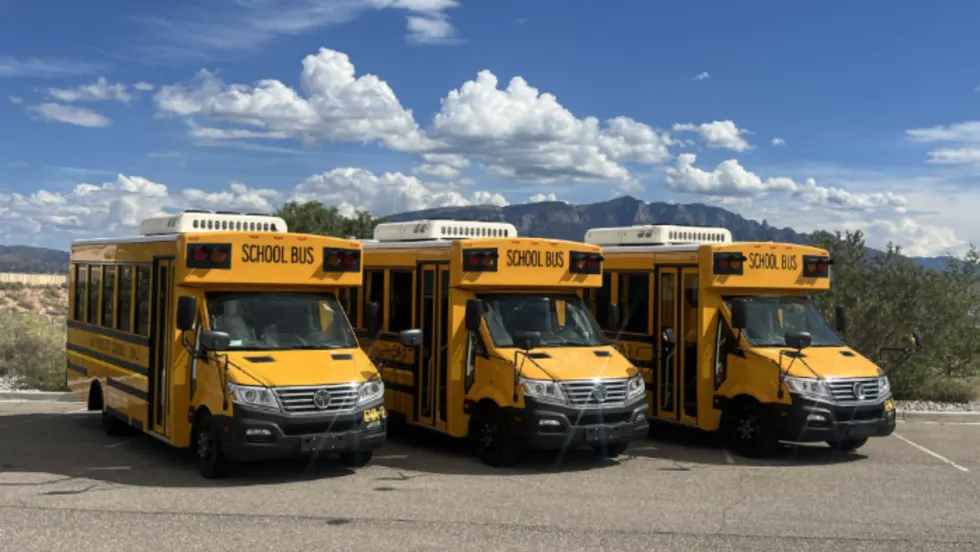
GreenPower Expands New Mexico EV Pilot With Larger Buses, V2G Testing
After logging more than 17,000 electric miles in the first year, New Mexico’s statewide pilot is moving into its second phase with larger vehicles, continued charging evaluations, and more.
Read More →
Can EV-as-a-Service Help Fleets Scale Electrification?
Sustainability Partners CEO Adam Cain explains how matching EVs, charging infrastructure, and duty cycles can help fleets scale electrification.
Read More →
How EV-as-a-Service Is Moving Fleets Beyond Pilots
Adam Cain, president and CEO of Sustainability Partners, explains how EV-as-a-service can help fleets scale deployments by addressing duty-cycle requirements and charging challenges.
Read More →
PowerFlex, The Mobility House Join Forces to Advance Fleet Electrification
Two EV charging providers are joining forces to deliver a broader portfolio of energy management and fleet electrification solutions.
Read More →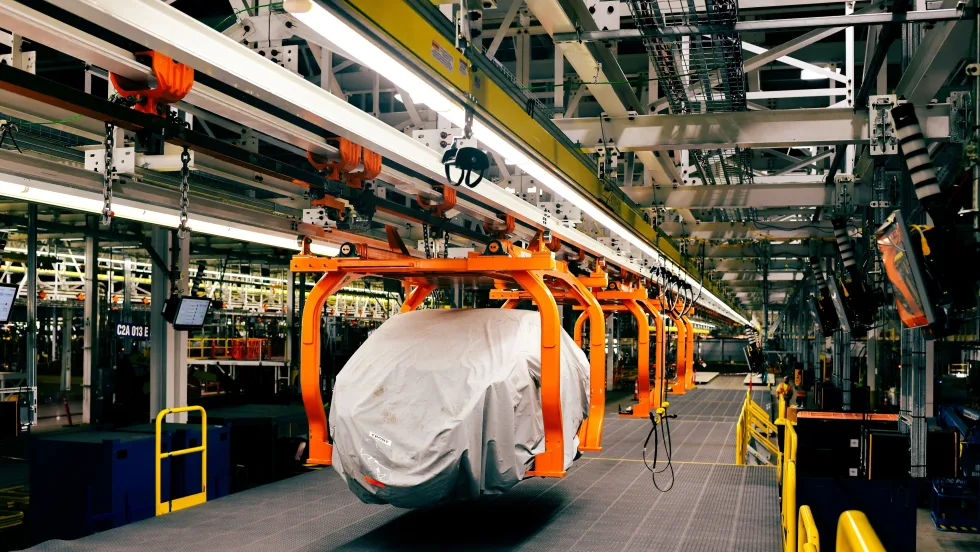
Ford Retools Louisville Plant for Fathom Electric Truck Production
Ford's $2 billion Louisville Assembly Plant overhaul introduces a three-part assembly process for the Fathom midsize electric truck, with production scheduled to begin in 2027.
Read More →
Merchants Fleet Reports 290M EV Miles as Fleets Navigate Changing Electrification Market
From millions in operating savings to hundreds of millions of EV miles, Merchants Fleet’s latest report reveals what’s working and what’s changing in fleet electrification.
Read More →
California District Commits to Electrify 25% of School Bus Fleet by 2028
One of the nation's largest school bus electrification projects to date demonstrates how grants, charging infrastructure, and public-private partnerships can help fleets transition to EVs at scale.
Read More →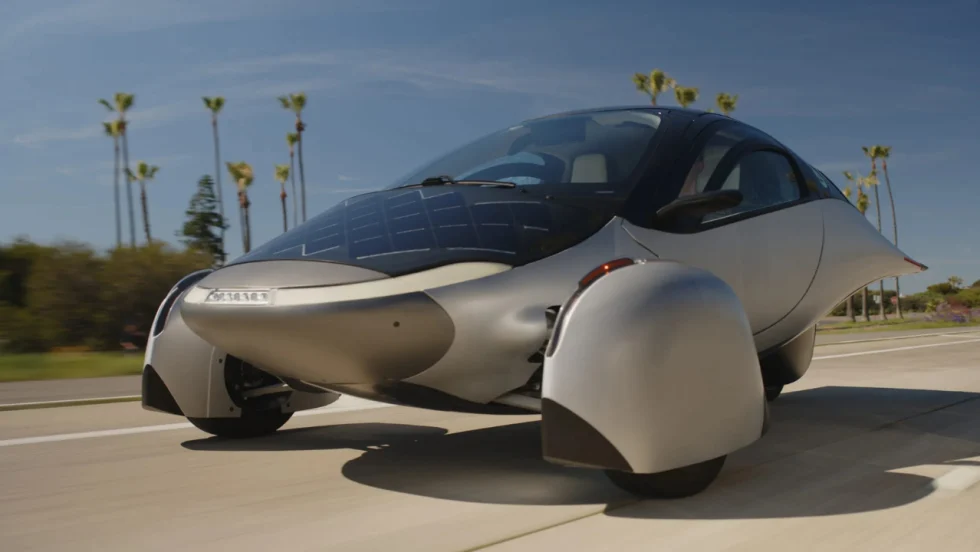
Aptera Orders Bodies and Chassis for Its First 40 Production Vehicles
Aptera Motors Corp. has issued purchase orders for the major structural components of its first 40 vehicles, and body and chassis components are expected to begin arriving in October.
Read More →