


Calif. Lags in Penetration of New Clean Diesel Engines
According to the Diesel Technology Forum, California’s truck and bus fleet rule has effectively kept older, higher-emitting trucks on the road for longer, in turn delaying emissions reductions and cleaner air.

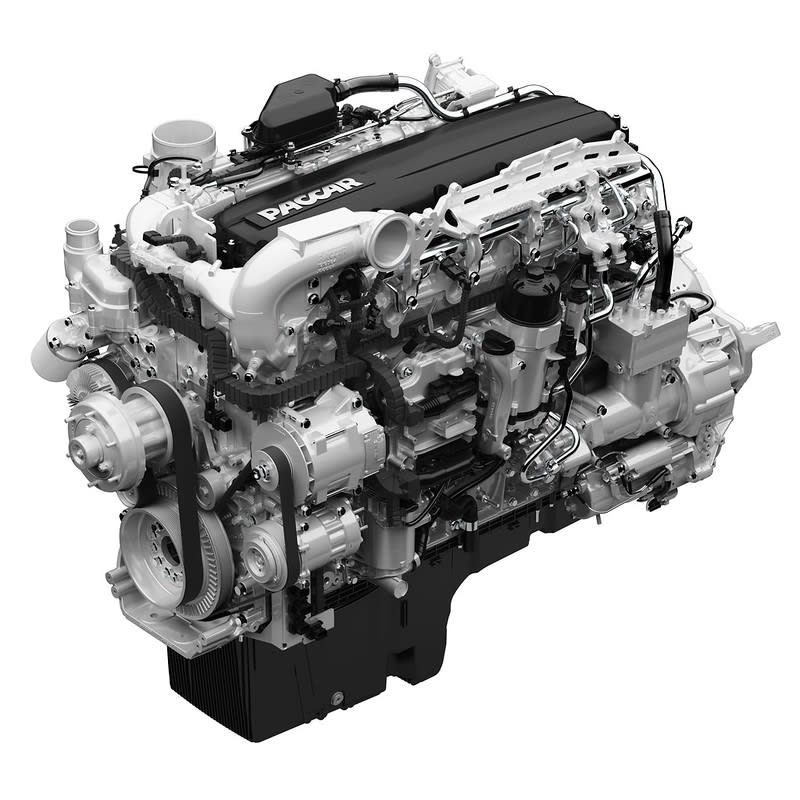
The Paccar MX-13 diesel engine is certified to use B20 biofuel in the U.S. Biofuel capable unit sales represent 45% of PACCAR's total global truck sales.
The Diesel Technology Forum’s executive director Allen Schaeffer issued the following statement today on the occasion of the California Air Resources Board’s (CARB) consideration of the Advanced Clean Truck regulation:
“Even as the California Air Resources Board contemplates mandates for zero emissions vehicles, diesel technology in commercial vehicles will continue to play an important role in California and the nation’s economy for decades to come.
“Diesel is the technology of choice for America’s trucking industry because of its unique combination of features; the most energy efficient internal combustion engine, power density, driving range, reliability, durability and widely available fueling, servicing and parts networks. Continuous improvement that has now achieved near zero emissions, improving energy efficiency and capabilities of using low-carbon renewable biodiesel fuels, ensure diesel’s place in the future.
“Since 2010, a new generation of diesel technology has become the standard for heavy-duty trucks that delivers reductions of 98% of emissions of particulate matter and nitrogen oxide emissions.
“According to the Diesel Technology Forum’s analysis of 2018-2019 U.S. vehicles in operation data (Class 3-8) provided by IHS Markit, 43% of the nearly 11 million diesel-powered commercial vehicles on U.S. roads – from box delivery trucks to 18-wheelers – are now powered by the newest generation of diesel technologies (MY 2010 and newer).
Over just four years, the percentage of new-generation diesel trucks on America’s roads has nearly doubled, up from just 25.7% of the fleet in 2015. Even by 2040, IHS Markit projects that the newest-generation diesel technologies will retain the majority share of Class 8 vehicle sales.
“Beginning in 2011, all new heavy-duty trucks have been equipped with selective catalytic reduction (SCR) and particulate control technologies. These combine to achieve stringent new U.S. Environmental Protection Agency (EPA) and CARB emissions requirements for NOx emissions of no more than 0.20 grams per brake horsepower hour (g/BHP-hr). This is in addition to PM emissions levels of no more than 0.01 g/BHP-hr.
“In California only 36% of registered diesel trucks in operation are of this newest generation, placing the golden state 40th out of 50 for the penetration of new technology diesel engines on the road, falling short of the national average of 43%, and well behind Indiana where over 65% of all registered trucks are of the newest generation.
“A combination of factors contributes to the lower penetration of new technology diesel engines, including economic conditions but also the regulatory environment where California’s truck and bus fleet rule has disrupted the marketplace, effectively delaying regular fleet turnover rates, keeping older, higher emitting trucks on the road for longer, and in turn delaying emissions reductions and cleaner air.
“California’s consideration of an Advanced Clean Truck Rule is principally about meeting the state’s climate goals. Today, diesel engines using renewable diesel fuel and blends of biodiesel fuels in California are delivering more greenhouse gas benefits than all electric vehicles combined. The replacement of older trucks in California with more efficient new diesel models coupled with the use of these biofuels represents a low-cost solution to deliver substantial and immediate greenhouse gas reductions compared to other approaches.
“Among the West Coast states in Region 9 & 10, which includes California, Washington and Oregon, the use of newest-generation diesel trucks has delivered substantial emissions reductions and fuel savings.
Between 2011 and 2018, the use of the newest, cleanest diesel Class 3-8 trucks has saved 12.3 million tonnes of carbon dioxide (CO2) and eliminated 1.8 million tonnes of nitrogen oxides (NOx). By 2030, the increased use of the cleanest diesel technologies is expected to deliver an additional 120.7 million tonnes of CO2 reductions and eliminate an additional 5.5 million tonnes of NOx collectively in these three West Coast states.
“Beyond this ACT rule, manufacturers are working with regulators at CARB and EPA on a Cleaner Trucks Initiative and rulemaking that will be finalized in the coming months and establish even further reductions in nitrogen oxide emissions making future diesel truck engines even nearer-to-zero emissions and contributing to achieve clean air goals.
“Meeting the climate and clean air challenges in the future will require many solutions, and we are confident that the newest generation of diesel technology is one of them.”
Originally posted on Work Truck Online
More Legal/Legislative

California Governor Approves Instant ZEV Rebates For First-Time Buyers
That instant rebate is the centerpiece of a broader $600 million package Governor Newsom signed into law, keeping California active in the global clean transportation race.
Read More →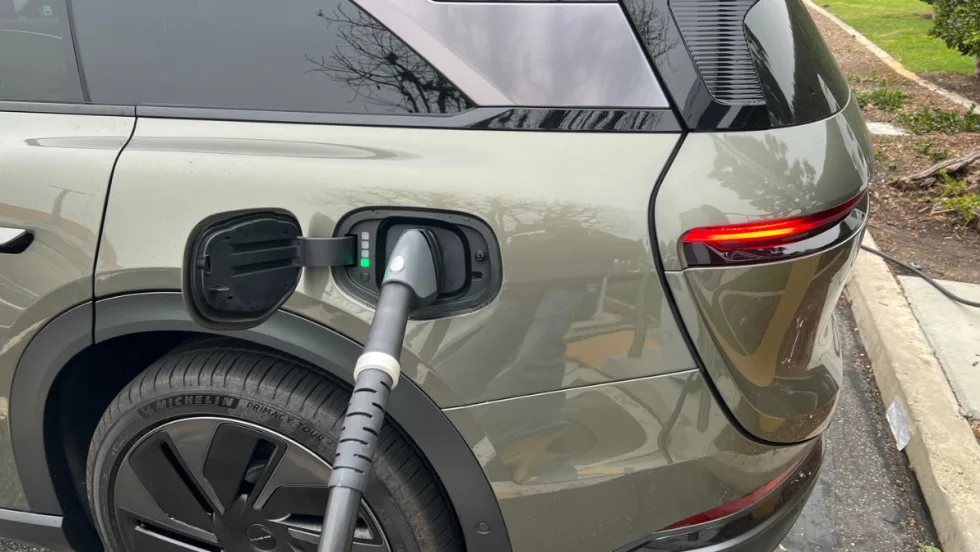
Used EVs Set Wholesale Sales Record In Q1
Rising gas prices may have boosted demand last month, as dealers pursued potential opportunities with more affordable used EVs.
Read More →
OEMS Expose Overdue EV Truths
Recent announcements from two automakers underscore a significant shift in the electric vehicle market, driven by EV losses and changing strategies. [VIDEO}
Read More →
The Freedom Era For Electric Vehicles
Season 2 Episode 1 of The Off-Peak premieres as the electric vehicle market no longer benefits from federal tax credits that expired at the end of Q3 2024. What does this mean for the future appeal of EVs?
Read More →
New Research Shows Renewed Potential And Tolerance For EVs
A new EV consumer survey finds partisan resistance is easing, but concerns around cost, incentives, and charging access still shape buyer interest.
Read More →
2025 Generated Big Headlines In The EV World
The EV industry entered a new more nuanced phase defined by realities and practical outcomes after a few years of grand visions, media hype, and bold investments.
Read More →
John Boesel Recognized at 2025 Fleet Forward Conference
Bobit recognized John Boesel, CEO of Calstart, who is retiring after over three decades of service.
Read More →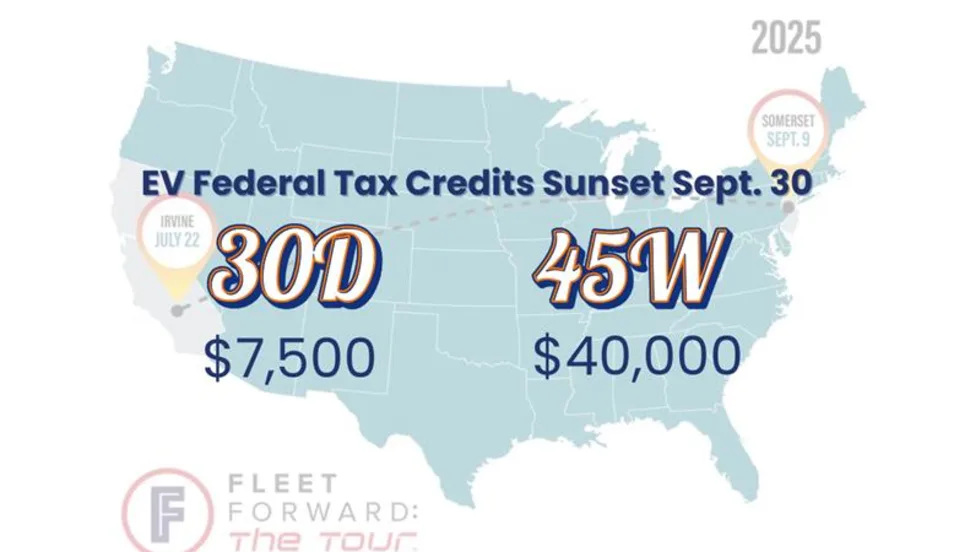
Final Push for Federal EV Incentives Highlighted at Fleet Forward Tour NJ Stop
Fleet managers in the Northeast will have a timely opportunity to take action on electric vehicle purchases at the upcoming Fleet Forward Tour stop in Somerset, NJ, on Sept. 9.
Read More →
Latest Hard Realities, Top Pressures For Electric Fleets
Speakers and experts at Fleet Forward: The Tour shared hands-on, hard-won insights on how fleet operations are handling tariffs, EV charging, rules and regs, and safety issues.
Read More →
Mobility 360 Panel to Define the Fleet Industry’s Next Tipping Point
At the 2025 Fleet Forward Conference, experts in capital, policy, and data will assess which trends are transforming fleet.
Read More →