


Ford Charges Up for the Transit Connect Electric
Drawing on the success of the Transit Connect, Ford Motor Company will release a battery-powered version of the commercial vehicle to help fleets lower operating costs.


Designed for fleets that travel predictable short-range routes in urban and suburban environments, the Transit Connect Electric offers more than 135 cubic feet of cargo space.
Photo: Ford
In collaboration with Azure Dynamics Corp. and Johnson Controls-Saft, Ford Motor Co. is launching a zero-emissions option of the award-winning light-duty Transit Connect, voted 2010 North American Truck of the Year.
Ford unveiled the 2011 Transit Connect Electric at the Chicago Auto Show in February. The commercial van is the first of four electrified vehicles the automaker plans to roll out within the next three years in the U.S. and Canada under its One Ford global product vision.
Debuting a New Drivetrain
Badged with both the Ford Blue Oval and Azure Dynamics’ (AZD) Force Drive logos, the Transit Connect Electric is designed to offer fleets the opportunity to lower operating costs by eliminating the use of gasoline. Unlike the gasoline-engine Transit Connect, the battery-powered vehicle will offer a payload of 1,000 lbs., 600 lbs. less than the current model’s 1,600 lbs.
Ford is no stranger to AZD, a company responsible for developing hybrid-electric and electric-drive technology for shuttle buses and commercial trucks for more than 20 years. AZD has provided the Balance Hybrid-Electric drive system to Ford’s E-450 cutaway and strip chassis for the medium-duty commercial vehicle segment.
For the new Transit Connect Electric, AZD provides its Force Drive battery-electric drivetrain. Further, the Transit Connect Electric, rechargeable using either 240-volt or standard 120-volt outlets, offers a targeted range of 80 miles on a full charge with top speed of 75 mph and zero tailpipe emissions, according to the company.
AZD asked Johnson Controls-Saft to provide lithium-ion battery cells and battery packs for the vehicle. Ford has already used Johnson Controls-Saft technology in other vehicles, such as the Ford Escape plug-in hybrid. Recharging the Transit Connect Electric will take from six to eight hours, according to Ford.
Safety & Maintenance Key
Designed for fleets that travel predictable short-range routes in urban and suburban environments, the Transit Connect Electric offers more than 135 cubic feet of cargo space and can carry items up to 6 feet long, 4.9 feet wide, and 4.7 feet high. Split rear cargo doors open at a standard 180 degrees or an optionally available 255 degrees.
Power-assisted rack-and-pinion steering allows a 39-foot curb-to-curb turning circle for maneuverability in tight urban spaces. The low side and rear load floor facilitate cargo handling.
The Ford Transit Connect Electric comes standard with power front disc brakes, rear drum brakes, and four-wheel ABS. A tire pressure monitoring system (TPMS) is included as additional standard equipment, which alerts drivers when a mounted road tire drops below certain pressure.
Bulkheads, racks, bins, and other upfits can be mixed, matched, and configured to suit specific commercial applications and needs.
Connecting to Fleets
AZD announced in March that AT&T would be among the first commercial customers of the Transit Connect Electric, adding two of the first models to its growing fleet of alternative-fuel vehicles later this year.
The Ford Transit Connect has already proven a hit among a number of fleets since its launch, with customers such as KONE, DTE Energy, Ambius, and ThyssenKrupp implementing the pickup truck alternative in the past year.
Originally posted on Work Truck Online
More Electric Vehicles

PowerFlex, The Mobility House Join Forces to Advance Fleet Electrification
Two EV charging providers are joining forces to deliver a broader portfolio of energy management and fleet electrification solutions.
Read More →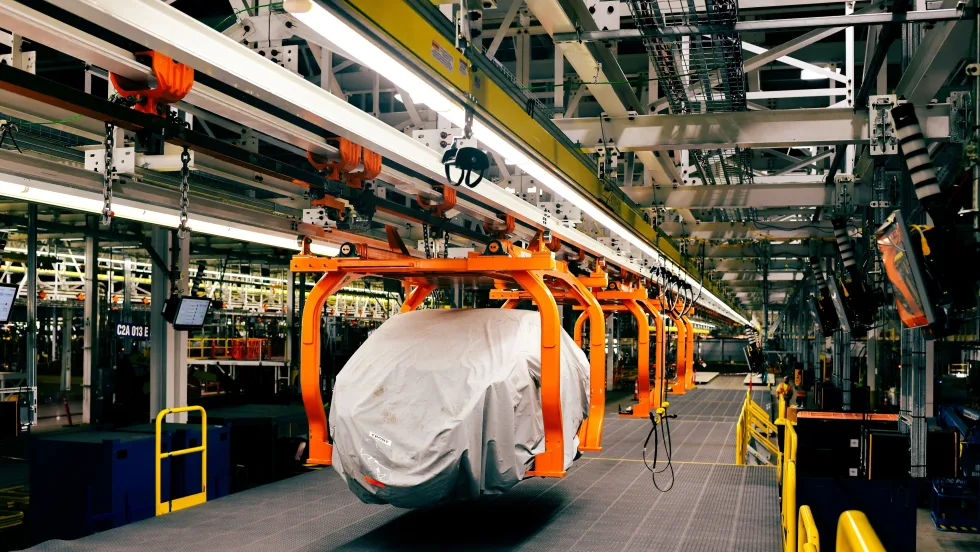
Ford Retools Louisville Plant for Fathom Electric Truck Production
Ford's $2 billion Louisville Assembly Plant overhaul introduces a three-part assembly process for the Fathom midsize electric truck, with production scheduled to begin in 2027.
Read More →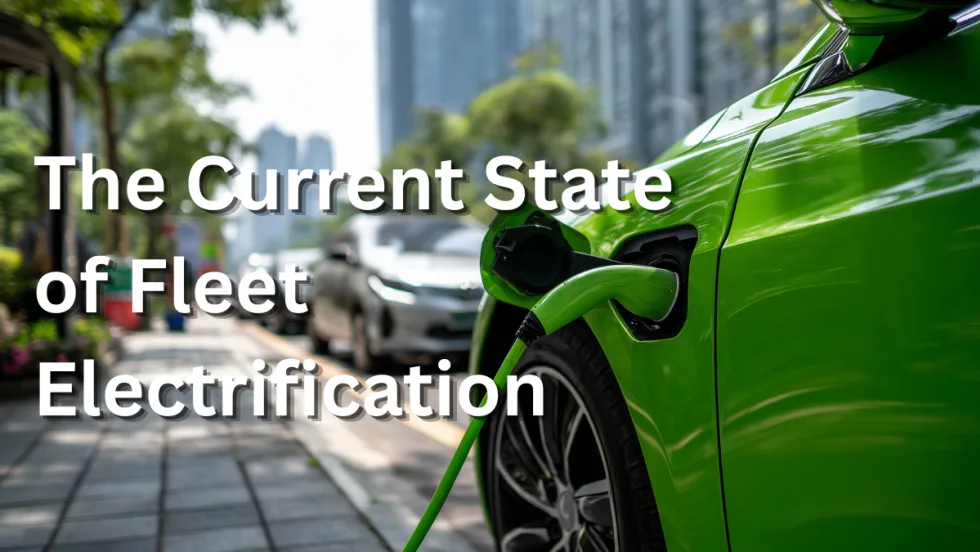
Merchants Fleet Reports 290M EV Miles as Fleets Navigate Changing Electrification Market
From millions in operating savings to hundreds of millions of EV miles, Merchants Fleet’s latest report reveals what’s working and what’s changing in fleet electrification.
Read More →
California District Commits to Electrify 25% of School Bus Fleet by 2028
One of the nation's largest school bus electrification projects to date demonstrates how grants, charging infrastructure, and public-private partnerships can help fleets transition to EVs at scale.
Read More →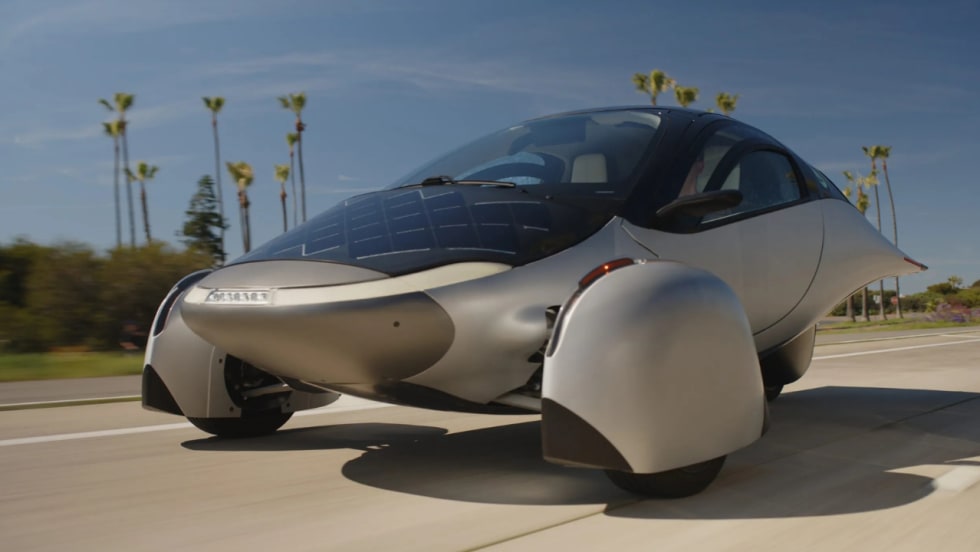
Aptera Orders Bodies and Chassis for Its First 40 Production Vehicles
Aptera Motors Corp. has issued purchase orders for the major structural components of its first 40 vehicles, and body and chassis components are expected to begin arriving in October.
Read More →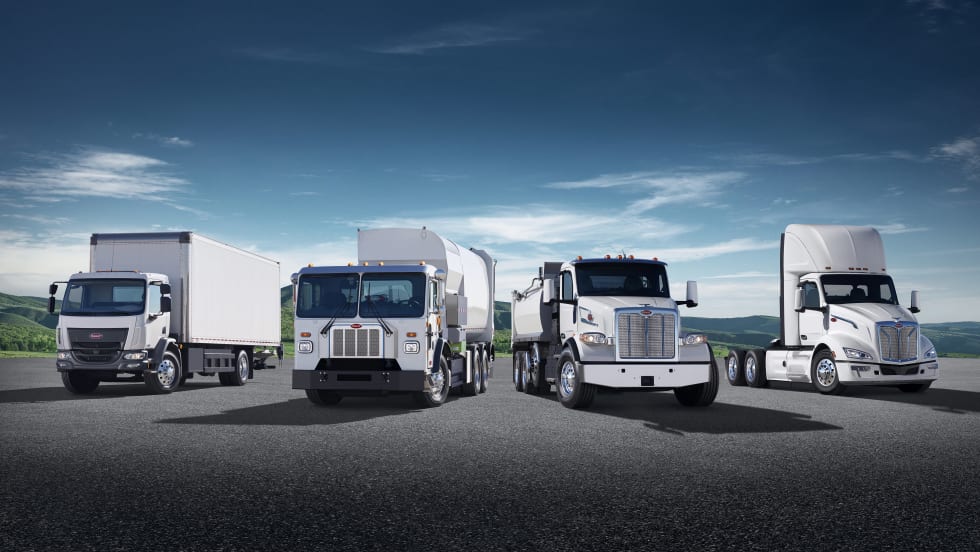
Peterbilt Expands Sourcewell Purchasing Agreement to Include Electric Trucks
The cooperative purchasing contract, now extended through July 2028, adds Peterbilt's battery-electric lineup for eligible government, education, nonprofit and tribal organizations.
Read More →
PITT OHIO Donates DC Fast Chargers to Community College of Allegheny County
The logistics company donated two 75-kW DC fast chargers to CCAC to support electric vehicle education and workforce training programs.
Read More →
California Governor Approves Instant ZEV Rebates For First-Time Buyers
That instant rebate is the centerpiece of a broader $600 million package Governor Newsom signed into law, keeping California active in the global clean transportation race.
Read More →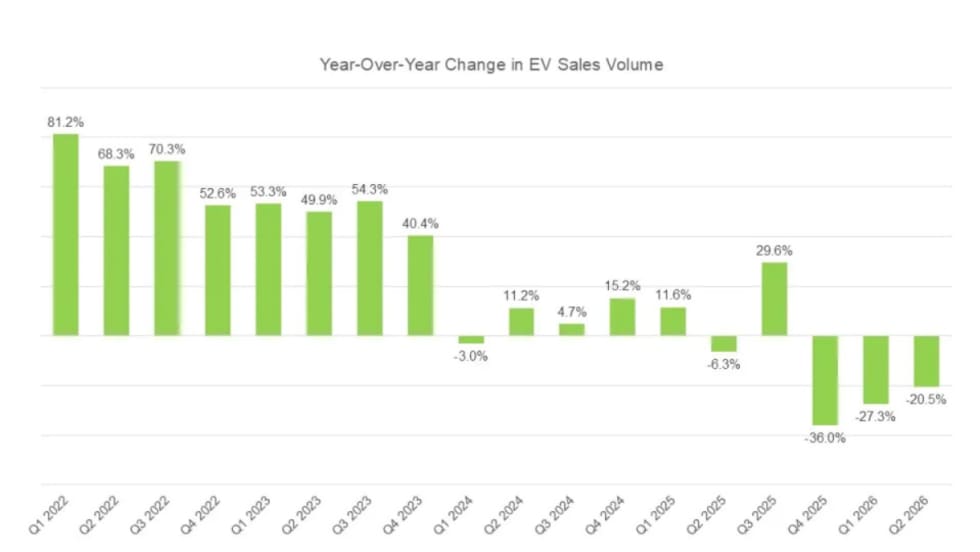
New Vehicle Models Stabilize Electrified Market In Q2
But more credit goes to hybrids than to all-electric vehicles, as more buyers look for fuel-efficient alternatives amid high gas prices.
Read More →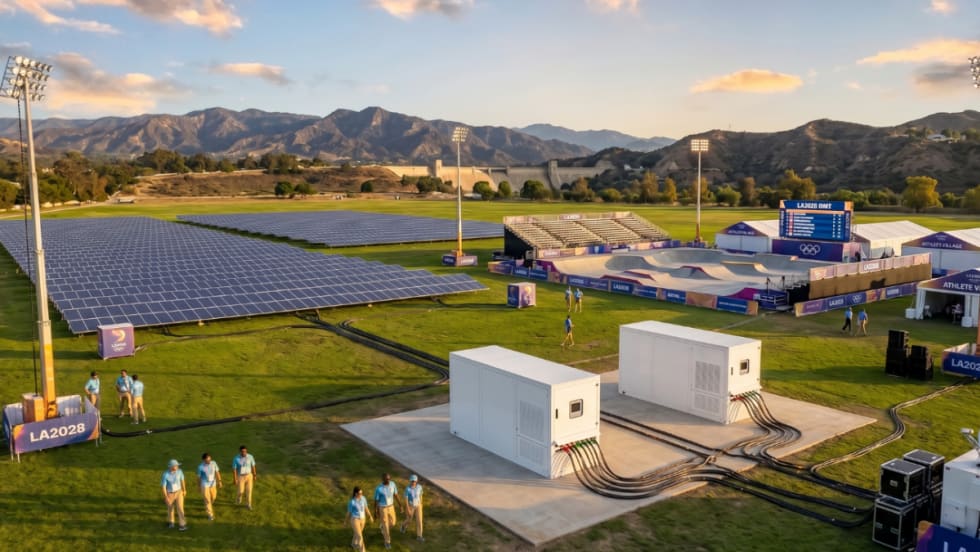
Xos White Paper Asserts LA Olympics Will Lack Enough EV Chargers
The commercial EV fleet company recommends some faster and more flexible remedies to relieve the anticipated shortfall.
Read More →