


New Research Shows Renewed Potential And Tolerance For EVs
A new EV consumer survey finds partisan resistance is easing, but concerns around cost, incentives, and charging access still shape buyer interest.

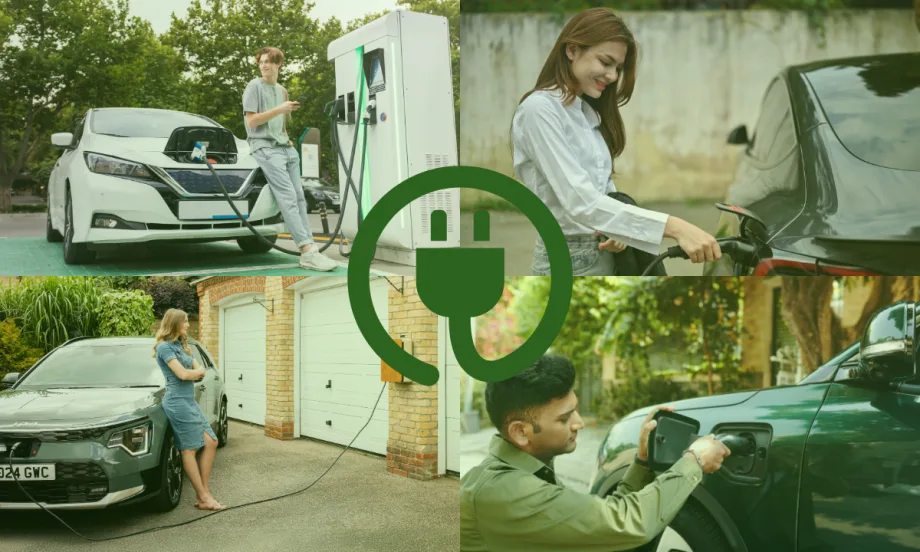
EV attitudes continue to shift as more drivers consider electrification, with affordability and charging availability remaining key factors in adoption.
Photo: Charged Fleet
As President Donald Trump prepares to travel to Detroit this week to address the Detroit Economic Club and tour a Ford Motor Co. plant during the opening of the North American International Auto Show, new research from EVs for All America finds U.S. consumer attitudes toward electric vehicles are shifting.
The group’s latest report, Fixing America’s Partisan Divide Over EVs: Tracking Three Years of Slow Progress, examines three years of polling and suggests Republican resistance to EVs is easing, though concerns about affordability, U.S. manufacturing jobs, China, and charging access continue to influence demand.
“Our latest national survey of auto consumers shows partisan polarization over EVs is declining, but the removal of federal EV subsidies remains a cooling factor for sales in the short term,” said EVs for All America founder and CEO Mike Murphy.
Report Highlights Consumer Attitudes Toward EVs
EVs for All America said the report points to gradual changes among Republican voters and continued polarization around high-profile industry figures.
Key findings include:
Republican hostility toward EVs has declined by 20 points over three years.
GOP voters are less likely to view EVs as “for people who see the world differently,” indicating reduced cultural resistance.
Only 28% of auto consumer voters in households earning $50,000 or more rate Trump as a “friend of the U.S. auto industry.”
Opinions of Elon Musk remain divided by party, with Democrats reporting 86% strongly unfavorable views.
Republican voters cite job loss concerns tied to China:
88% say they worry at least some about U.S. manufacturing jobs shifting to China.
53% say they worry “a lot.”
Subsidies, Charging Access, and Messaging Influence Interest
The report also notes that policy decisions and charging availability may shape EV adoption, particularly among renters and condo residents.
Additional findings include:
About half of auto consumers say the end of federal EV incentives makes them less likely to buy or lease an EV.
EV sales in Germany declined after incentives ended but recovered over the following two years.
Multifamily charging access remains a barrier:
65% of condo owners said they would be more likely to buy or lease an EV if overnight Level 2 charging were available.
70% of apartment renters said the same.
Consumers across political groups responded more favorably to messaging focused on vehicle attributes rather than environmental benefits, including:
fast acceleration
quiet driving
avoiding gas stations
Younger consumers show higher openness to EVs than older consumers and are more likely to consider Chinese-made vehicles than consumers over 55.
“It’s about focusing on vehicle performance and attributes, not political messaging,” Murphy said, adding that state-level incentives may become more important as federal EV support declines.
Survey Methodology
The report is based on annual national surveys of 600 registered voters ages 18 and older in households earning $50,000 or more, conducted each November from 2023 through 2025. Additional research includes an October 2024 survey of 800 registered Republicans and an October 2025 survey of 400 California condo and apartment residents.
National polling was conducted by Hill Research Consultants, and the California survey was conducted by David Binder and Associates.
More Legal/Legislative
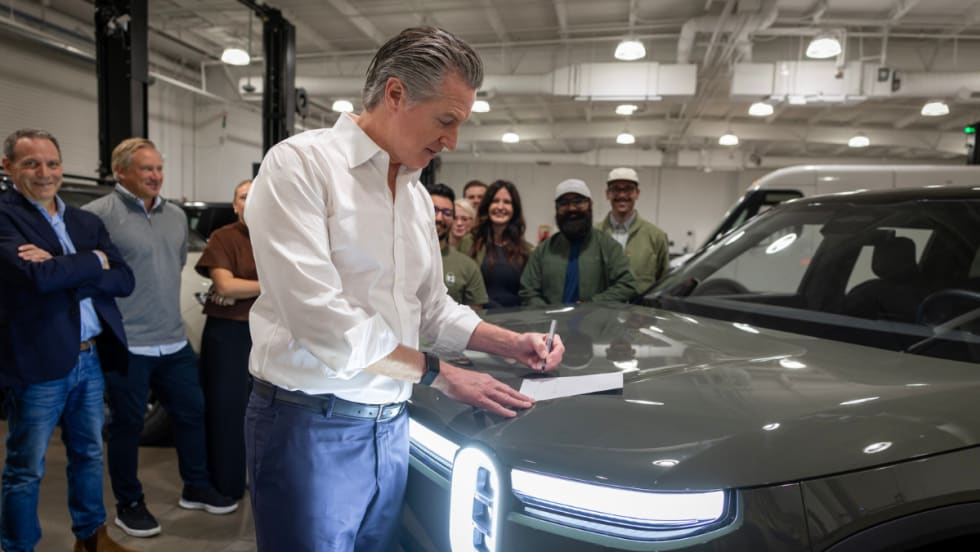
California Governor Approves Instant ZEV Rebates For First-Time Buyers
That instant rebate is the centerpiece of a broader $600 million package Governor Newsom signed into law, keeping California active in the global clean transportation race.
Read More →
Used EVs Set Wholesale Sales Record In Q1
Rising gas prices may have boosted demand last month, as dealers pursued potential opportunities with more affordable used EVs.
Read More →
OEMS Expose Overdue EV Truths
Recent announcements from two automakers underscore a significant shift in the electric vehicle market, driven by EV losses and changing strategies. [VIDEO}
Read More →
The Freedom Era For Electric Vehicles
Season 2 Episode 1 of The Off-Peak premieres as the electric vehicle market no longer benefits from federal tax credits that expired at the end of Q3 2024. What does this mean for the future appeal of EVs?
Read More →
2025 Generated Big Headlines In The EV World
The EV industry entered a new more nuanced phase defined by realities and practical outcomes after a few years of grand visions, media hype, and bold investments.
Read More →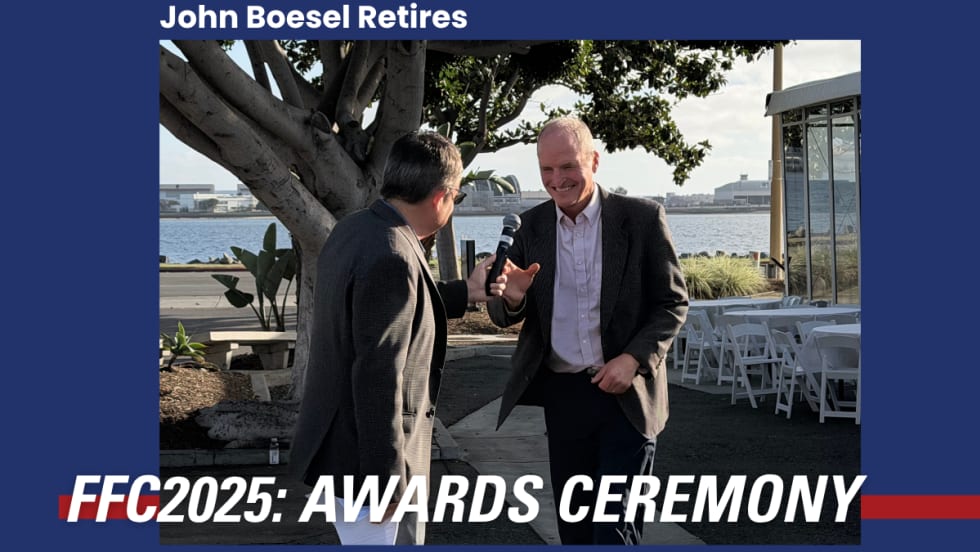
John Boesel Recognized at 2025 Fleet Forward Conference
Bobit recognized John Boesel, CEO of Calstart, who is retiring after over three decades of service.
Read More →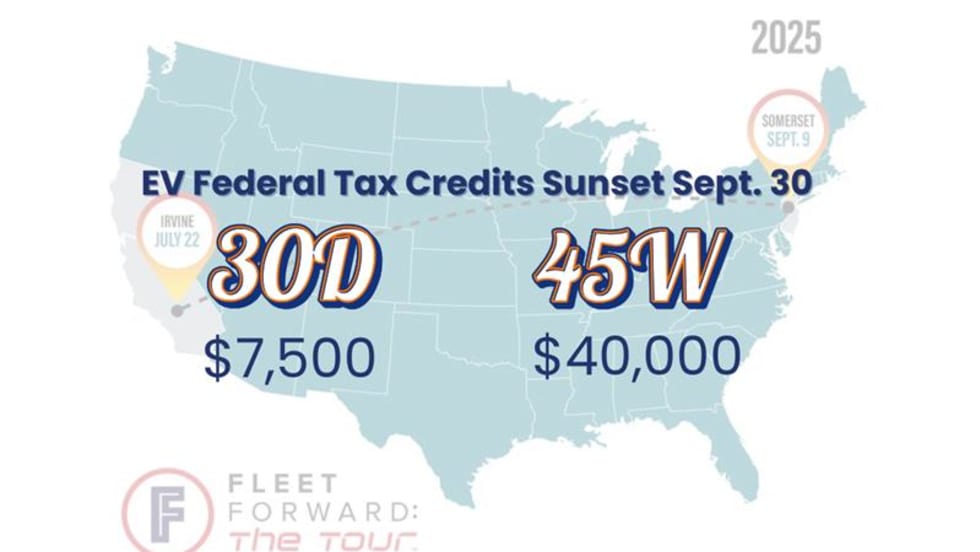
Final Push for Federal EV Incentives Highlighted at Fleet Forward Tour NJ Stop
Fleet managers in the Northeast will have a timely opportunity to take action on electric vehicle purchases at the upcoming Fleet Forward Tour stop in Somerset, NJ, on Sept. 9.
Read More →
Latest Hard Realities, Top Pressures For Electric Fleets
Speakers and experts at Fleet Forward: The Tour shared hands-on, hard-won insights on how fleet operations are handling tariffs, EV charging, rules and regs, and safety issues.
Read More →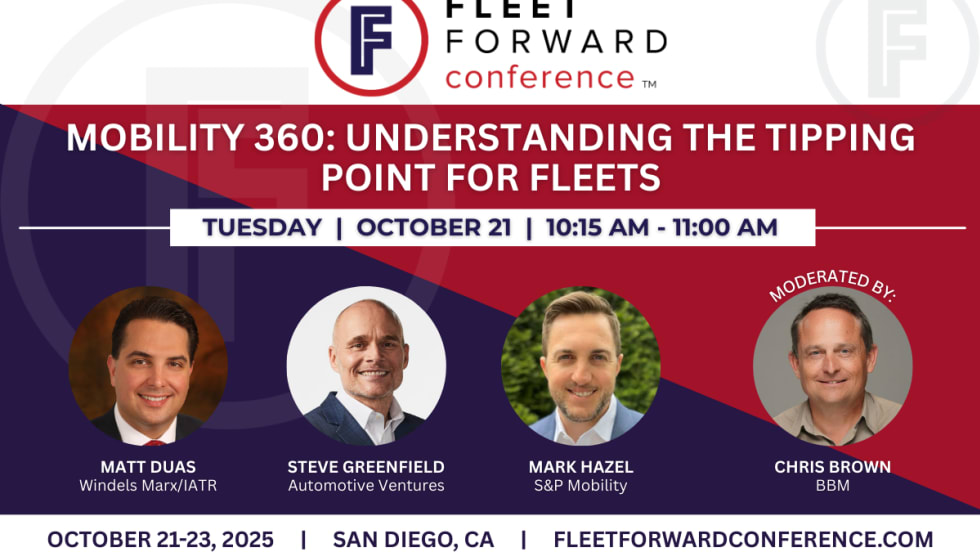
Mobility 360 Panel to Define the Fleet Industry’s Next Tipping Point
At the 2025 Fleet Forward Conference, experts in capital, policy, and data will assess which trends are transforming fleet.
Read More →
Ruling Could Undercut California’s Zero-Emission Vehicle Authority
The Supreme Court decision gives fuel producers the leeway to challenge an EV mandate waiver — raising new questions about the future of clean vehicle rules on fleet electrification.
Read More →