


Roche Incorporates Environmental Alternatives Into Its Fleet
Roche, a leading pharmaceutical and diagnostic business, implemented a successful hyybrid vehicle program that reduces gas and emissions in its sales fleet.

Like most healthcare organizations, Roche is committed to enhancing the well-being and quality of life not only for its clients, but also for employees, starting with the company’s fleet.
Taking Environmental Measures
Dr. Jack Kace, vice president, environmental and safety for Roche formed the safety, health, and environmental (SHE) group. The SHE team’s core principles include the health and safety of employees and the community, and protection of the environment. Environmental concerns cover air emissions, waste discharges, and solid wastes.
“A few years ago, we were concerned about crash test ratings, rollover likelihood, and classic safety parameters with the fleet. Now we have begun to branch out to industrial hygiene concerns that are primarily ergonomic,” said Kace.
For example, if the material in a vehicle’s interior seats causes back strain or any pain, the SHE group investigates the issue. SHE also looks at fleet vehicles’ environmental impact. In 2004, SHE observed the amount of gasoline the Roche fleet consumed, combined with the amount of emissions it emitted, and devised plans to reduce both. “There is no department at Roche that is untouched by our efforts toward energy conservation,” said Kace.

Changing to Make a Difference
Roche wanted to reduce CO² emissions and mileage. In 2004, the company began its volunteer hybrid fleet vehicle program. Drivers choose their vehicles, and the hybrid of choice at the time was the Toyota Prius. Roche started with 50 hybrids and, by driver demand, expanded the numbers, later adding the Ford Escape Hybrid. Roche Fleet Manager Angela Gregorowicz manages about 2,040 vehicles, including 242 hybrids. “Among other duties, I work with our environmental, health, and safety department and help select the right vehicle to meet Roche corporate goals,” said Gregorowicz.
When the hybrid program began, some Roche drivers were skeptical, voicing concerns about vehicle servicing. However, the vehicles have proven reliable and cost-effective.
“Our drivers are happy with the hybrids, and they are willing to wait for the vehicles even though it takes a while before they are received. But our drivers believe in these cars and how they have benefited the company,” said Gregorowicz.
Wheels Inc., Roche’s leasing company, has estimated the total operating cost of using a Toyota Prius versus a traditional mid-sized sedan. Over a normal operating period, the Prius saves Roche $3,000 in total costs. The total savings fluctuates with initial purchase price. While Roche pays more for the hybrid initially, the Prius resale value is good and the hybrid saves about $1,500 a year in gasoline costs.
Accomplishing Goals
The U.S. Environmental Protection Agency (EPA) Climate Leaders program recently recognized Roche for achieving its corporate goal two years ahead of schedule. The goal targeted a 10.8-percent reduction in greenhouse gas emissions since 2001. Incorporating hybrid and electric vehicles within its fleet helped achieved this goal.
Roche also recently submitted new 2010 goals to the EPA. Roche pledged to further reduce greenhouse gas emissions across the country and move to a 15-percent reduction of gases by 2010.
Originally posted on Automotive Fleet
More Legal/Legislative
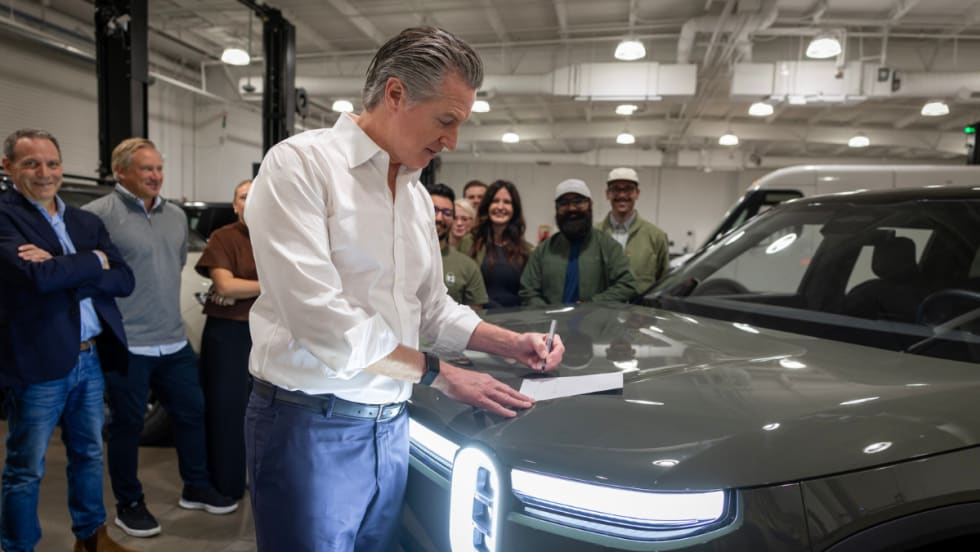
California Governor Approves Instant ZEV Rebates For First-Time Buyers
That instant rebate is the centerpiece of a broader $600 million package Governor Newsom signed into law, keeping California active in the global clean transportation race.
Read More →
Used EVs Set Wholesale Sales Record In Q1
Rising gas prices may have boosted demand last month, as dealers pursued potential opportunities with more affordable used EVs.
Read More →
OEMS Expose Overdue EV Truths
Recent announcements from two automakers underscore a significant shift in the electric vehicle market, driven by EV losses and changing strategies. [VIDEO}
Read More →
The Freedom Era For Electric Vehicles
Season 2 Episode 1 of The Off-Peak premieres as the electric vehicle market no longer benefits from federal tax credits that expired at the end of Q3 2024. What does this mean for the future appeal of EVs?
Read More →
New Research Shows Renewed Potential And Tolerance For EVs
A new EV consumer survey finds partisan resistance is easing, but concerns around cost, incentives, and charging access still shape buyer interest.
Read More →
2025 Generated Big Headlines In The EV World
The EV industry entered a new more nuanced phase defined by realities and practical outcomes after a few years of grand visions, media hype, and bold investments.
Read More →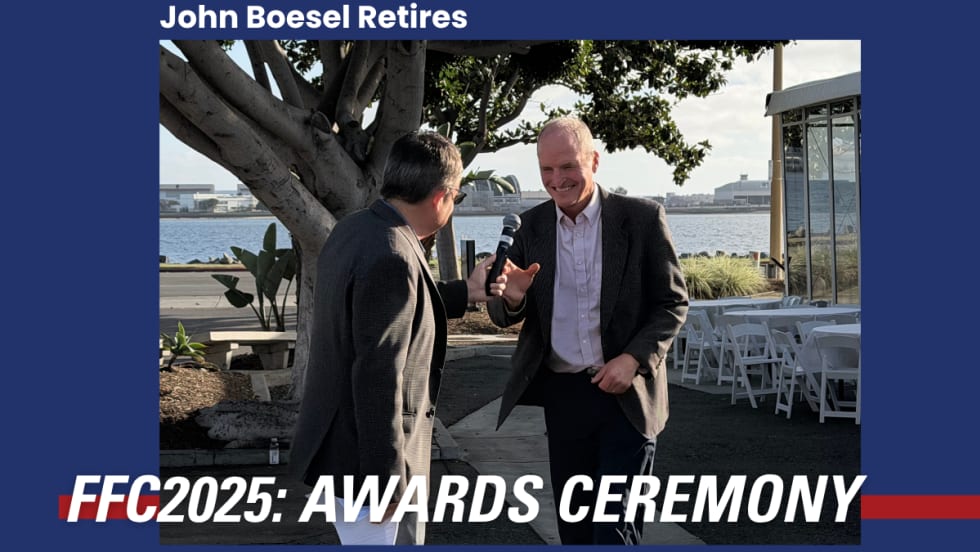
John Boesel Recognized at 2025 Fleet Forward Conference
Bobit recognized John Boesel, CEO of Calstart, who is retiring after over three decades of service.
Read More →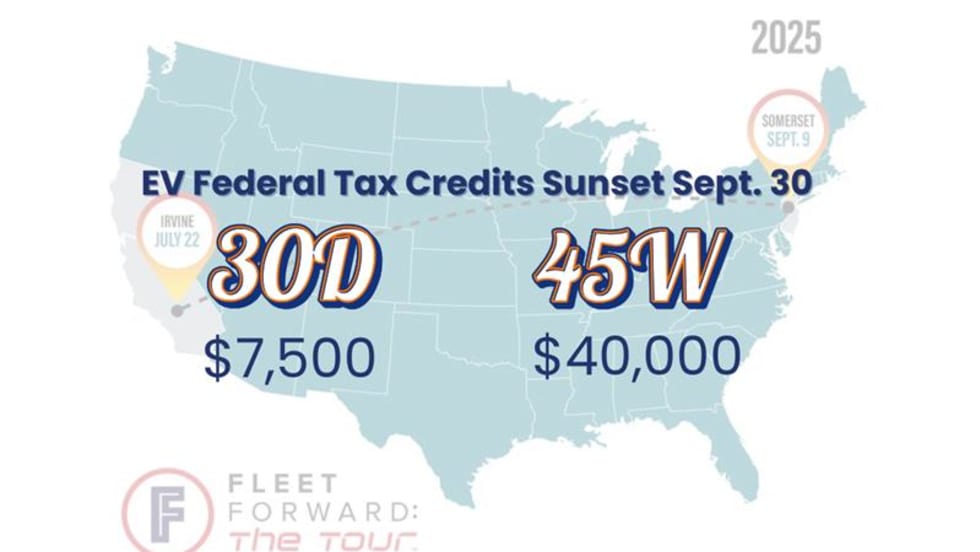
Final Push for Federal EV Incentives Highlighted at Fleet Forward Tour NJ Stop
Fleet managers in the Northeast will have a timely opportunity to take action on electric vehicle purchases at the upcoming Fleet Forward Tour stop in Somerset, NJ, on Sept. 9.
Read More →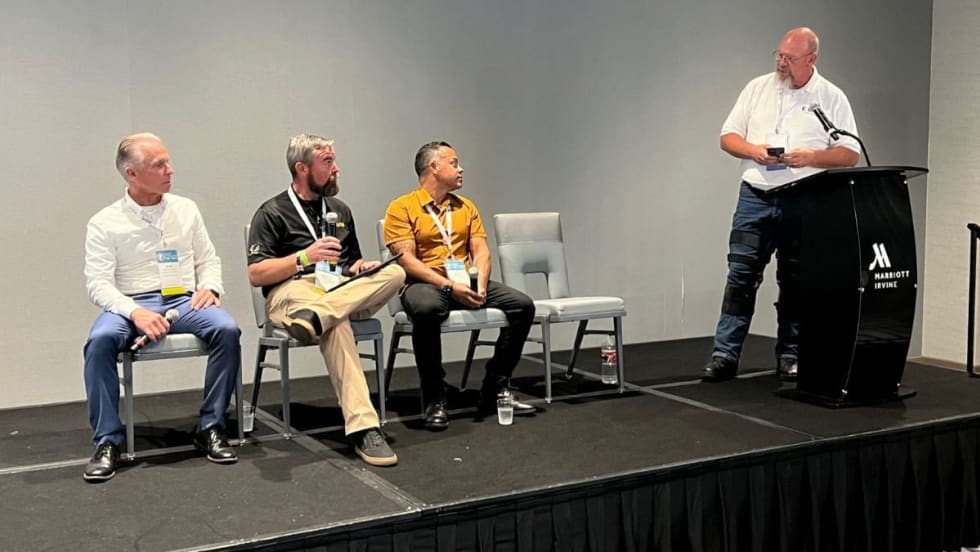
Latest Hard Realities, Top Pressures For Electric Fleets
Speakers and experts at Fleet Forward: The Tour shared hands-on, hard-won insights on how fleet operations are handling tariffs, EV charging, rules and regs, and safety issues.
Read More →
Mobility 360 Panel to Define the Fleet Industry’s Next Tipping Point
At the 2025 Fleet Forward Conference, experts in capital, policy, and data will assess which trends are transforming fleet.
Read More →