


California Agency Awards Nearly $70M For Electric School Buses
The new buses are part of the California Energy Commission's $94 million school bus replacement program to help pupil transportation providers replace more than 200 diesel school buses throughout the state.
SACRAMENTO, Calif. — The California Energy Commission (CEC) approved on Monday nearly $70 million in funding to replace more than 200 of the state’s diesel school buses with electric buses.
The new all-electric buses are part of the agency’s $94 million school bus replacement program to help public school districts, county offices of education, and joint power authorities transition from diesel school buses to zero- or low- emissions vehicles, according to a news release from the CEC. So far, the agency has awarded a total of $89.8 million of the program’s funds to schools in 26 California counties.
"School buses are by far the safest way for kids to get to school," said Patty Monahan, CEC commissioner. "But diesel-powered buses are not safe for kids’ developing lungs, which are particularly vulnerable to harmful air pollution. Making the transition to electric school buses that don’t emit pollution provides children and their communities with cleaner air and numerous public health benefits. The Energy Commission is proud to support this transition to protect the health of children throughout the state, something that will help all Californians breathe easier.”
As part of the program, the CEC selected The Lion Electric Co.'s Type A (without wheelchair lift), Type C, and Type D electric bus models, according to a news release from the school bus manufacturer. The funding for these models range from $269,488 for Lion's Type A bus (without wheelchair lift) to $337,469 for the manufacturer's Type D bus (with a wheelchair lift), according to the CEC grant agreement.
Additionally, the CEC selected Blue Bird’s Type A electric model under a zero-dollar agreement with transportation dealer and distributor A-Z Bus Sales Inc. Under the agreement, the school bus manufacturer’s Type A Micro Bird electric model will qualify for over $291,000 in grant funding, according to a news release from Blue Bird.
Part of the funding for the electric buses comes from the California Clean Energy Jobs Act, also known as Proposition 39.
The CEC said that approximately 90% of the electric buses funded by the replacement program will be operating in disadvantaged communities — and will reportedly eliminate nearly 57,000 pounds of nitrogen oxides (NOx) and nearly 550 pounds of fine particulate matter (PM 2.5) emissions annually.
In addition to improving air quality, the agency estimates that school districts will save nearly $120,000 in fuel and maintenance costs per bus over the next 20 years.
The CEC’s Alternative and Renewable Fuel and Vehicle Technology Program will provide the charging infrastructure for the buses, and will also fund workforce training and development opportunities for drivers and maintenance technicians. The program will also supply nearly $2 million in funding to ChargePoint Inc., for equipment and tooling used to manufacture electric vehicle fast-charging infrastructure.
In related news, two California school districts announced plans to receive new electric school buses.
The Mojave Desert Air Quality Management District (MDAQMD) recently awarded a $1.3 million grant to Apple Valley Unified School District and Lucerne Valley Unified School District for a total of three Blue Bird all-electric buses, according to a news release from the MDAQMD. The grant is part of state incentives created through Assembly Bill 617, designed to identify the areas of most need for pollution reduction.
Brad Poiriez, the executive director for the MDAQMD, said that the buses will be delivered — two to Apple Valley and one to Lucerne Valley — within the next four to five months.
Originally appeared in School Bus Fleet Magazine.
Originally posted on Automotive Fleet
More Legal/Legislative

California Governor Approves Instant ZEV Rebates For First-Time Buyers
That instant rebate is the centerpiece of a broader $600 million package Governor Newsom signed into law, keeping California active in the global clean transportation race.
Read More →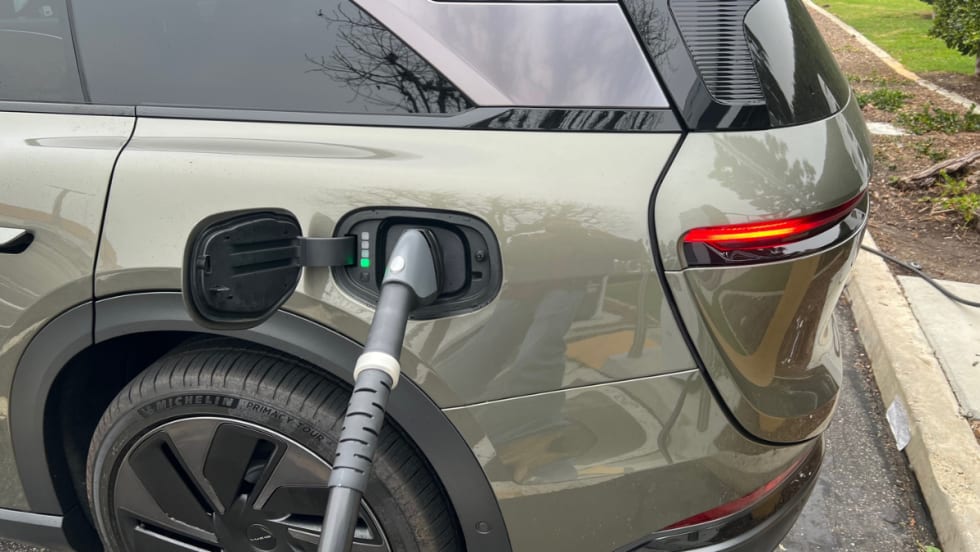
Used EVs Set Wholesale Sales Record In Q1
Rising gas prices may have boosted demand last month, as dealers pursued potential opportunities with more affordable used EVs.
Read More →
OEMS Expose Overdue EV Truths
Recent announcements from two automakers underscore a significant shift in the electric vehicle market, driven by EV losses and changing strategies. [VIDEO}
Read More →
The Freedom Era For Electric Vehicles
Season 2 Episode 1 of The Off-Peak premieres as the electric vehicle market no longer benefits from federal tax credits that expired at the end of Q3 2024. What does this mean for the future appeal of EVs?
Read More →
New Research Shows Renewed Potential And Tolerance For EVs
A new EV consumer survey finds partisan resistance is easing, but concerns around cost, incentives, and charging access still shape buyer interest.
Read More →
2025 Generated Big Headlines In The EV World
The EV industry entered a new more nuanced phase defined by realities and practical outcomes after a few years of grand visions, media hype, and bold investments.
Read More →
John Boesel Recognized at 2025 Fleet Forward Conference
Bobit recognized John Boesel, CEO of Calstart, who is retiring after over three decades of service.
Read More →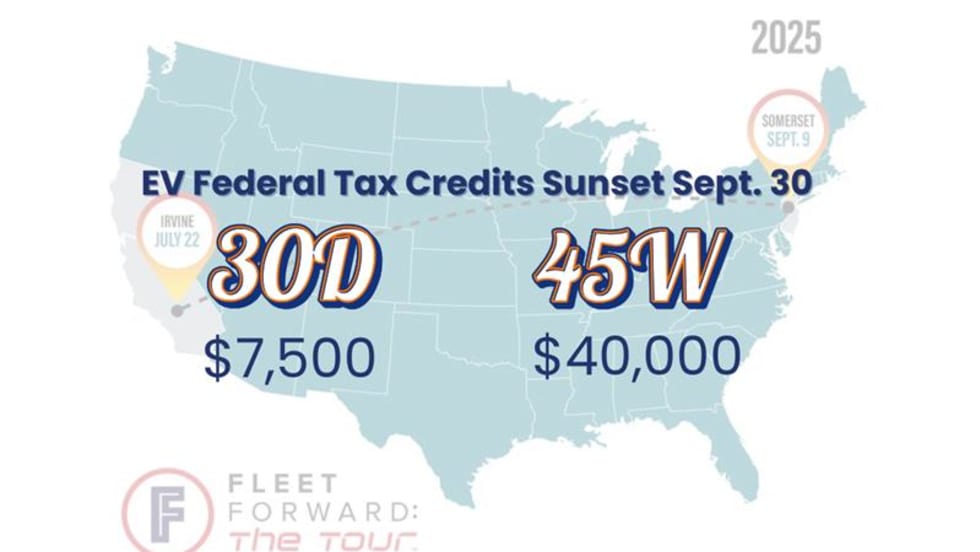
Final Push for Federal EV Incentives Highlighted at Fleet Forward Tour NJ Stop
Fleet managers in the Northeast will have a timely opportunity to take action on electric vehicle purchases at the upcoming Fleet Forward Tour stop in Somerset, NJ, on Sept. 9.
Read More →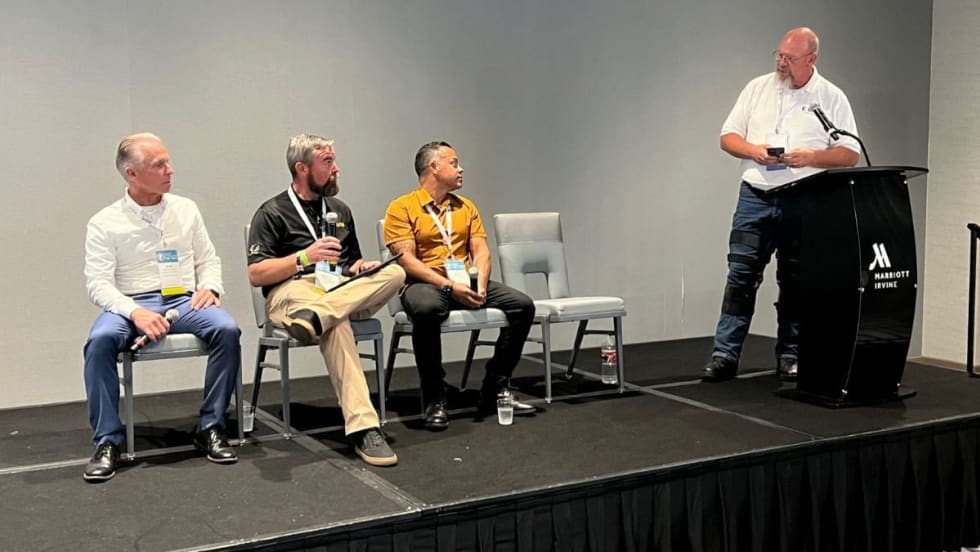
Latest Hard Realities, Top Pressures For Electric Fleets
Speakers and experts at Fleet Forward: The Tour shared hands-on, hard-won insights on how fleet operations are handling tariffs, EV charging, rules and regs, and safety issues.
Read More →
Mobility 360 Panel to Define the Fleet Industry’s Next Tipping Point
At the 2025 Fleet Forward Conference, experts in capital, policy, and data will assess which trends are transforming fleet.
Read More →