


Explore More: The Straight Story on the State of Electric Vehicles
EV Transition Could Drag U.S. Auto Market
Analysis: Electric vehicle adoption is happening much slower than expected, and the profit margins are abysmal.
by Brian Finkelmeyer, Cox Automotive
November 30, 2023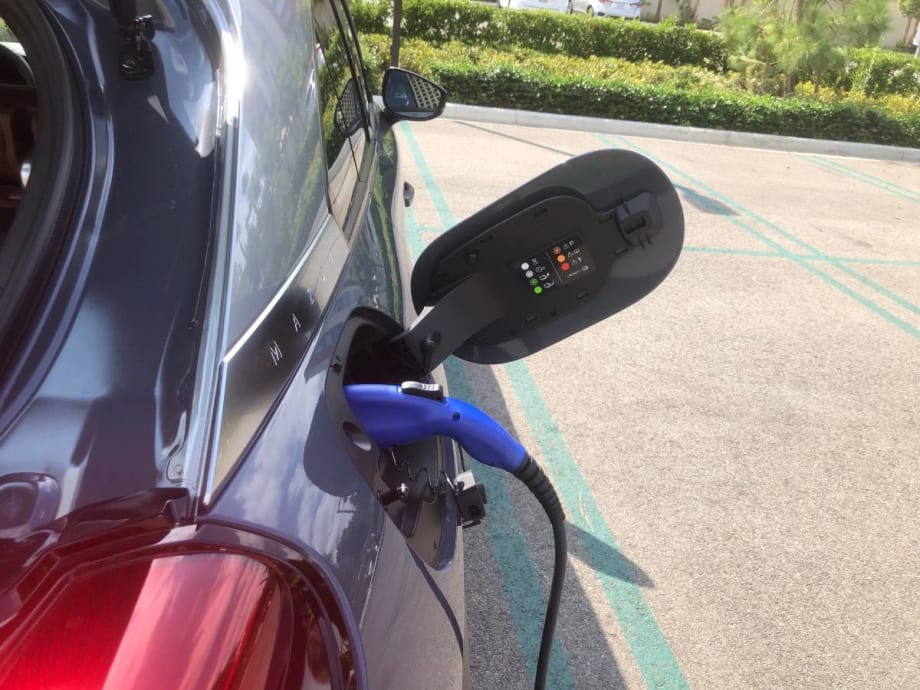
Reluctant consumers remain concerned about charging infrastructure, range, and future resale values.
Photo: Martin Romjue / Bobit
3 min to read
As we approach the final weeks of 2023, with the global pandemic now solidly behind us, the fortunes of the auto industry are shifting.
Electric vehicles are a primary reason for auto industry headwinds, with growing concern about EV demand and the eroding profit margins at automakers and dealerships.
A Swift Reversal in the EV Market
Two years ago, legacy car makers began placing big bets on EV development partly due to Wall Street’s infatuation with EV manufacturers like Tesla, who were rewarded with huge valuations. EV sales have continued to grow from 1% of total industry volume in 2019 to nearly 8% this year, according to estimates from Kelley Blue Book.
But the looming question on everyone’s mind is whether the market has reached peak demand for the current EV offerings. Cox Automotive’s latest inventory tracking shows EV days’ supply is near 100 days’ supply vs. 67 for the wider industry. Reluctant consumers remain concerned about charging infrastructure, range, and future resale values.
As a result of this sluggish demand, incentives continue to climb, reaching close to 10% of transaction price in September before retreating some in October, according to Kelley Blue Book. The comparable overall industry level remains below 5%. Tesla, the EV leader in the U.S. market by far, has been hyper-aggressive in dropping prices on their popular models by an average of $16,687 during the past 12 months. And those price cuts are pressuring the entire industry. Ford reported an EBITA loss of $1.3 billion in Q3 in its Model-e business, demonstrating how challenging this transition will be. And Mercedes Benz’s CFO recently commented, “I can hardly imagine the current status quo is fully sustainable for anybody.”
These shifting winds are causing OEMs to reshape their EV ambitions. GM announced it is abandoning its goal of producing 400,000 EVs by mid-2024. They are also postponing a $4 billion EV truck plant project in Michigan. Ford recently announced they are postponing $12 billion worth of planned EV investment due to “tremendous downward pressure on prices.” Honda just announced they are canceling their partnership with GM to produce a range of less expensive EVs. And lastly, VW just postponed their flagship Trinity EV plant development in Germany to 2030.
Jack Hollis, the head of sales at Toyota, said, “It took us 25 years, and we (the industry) are still not at 10% hybrid; the consumer is not demanding EVs at that level.” Toyota continues to advocate for a broad range of fuel types to meet environmental and consumer needs instead of solely focusing on EVs.
Bottom line: The EV transition is going to be a drag on the U.S. auto market for years to come.
Brian Finkelmeyer is the senior director of new car solutions at Cox Automotive.
Subscribe to Our Newsletter
More Electric Vehicles
EV Charging Use Is Outpacing Infrastructure Growth
ChargePoint’s 2026 Charging Forward Report points to rising charger use, higher-powered charging, commercial vehicle electrification, and energy-management technology. Here’s what fleets should know.
Read More →
EV Realty Names Henrik Holland President as Charging Platform Expands
The former Prologis Mobility and Shell executive will help expand EV Realty’s truck charging business and move its power-first infrastructure model into autonomous vehicle depots and other fleet sectors.
Read More →
GreenPower Expands New Mexico EV Pilot With Larger Buses, V2G Testing
After logging more than 17,000 electric miles in the first year, New Mexico’s statewide pilot is moving into its second phase with larger vehicles, continued charging evaluations, and more.
Read More →
Can EV-as-a-Service Help Fleets Scale Electrification?
Sustainability Partners CEO Adam Cain explains how matching EVs, charging infrastructure, and duty cycles can help fleets scale electrification.
Read More →
How EV-as-a-Service Is Moving Fleets Beyond Pilots
Adam Cain, president and CEO of Sustainability Partners, explains how EV-as-a-service can help fleets scale deployments by addressing duty-cycle requirements and charging challenges.
Read More →
PowerFlex, The Mobility House Join Forces to Advance Fleet Electrification
Two EV charging providers are joining forces to deliver a broader portfolio of energy management and fleet electrification solutions.
Read More →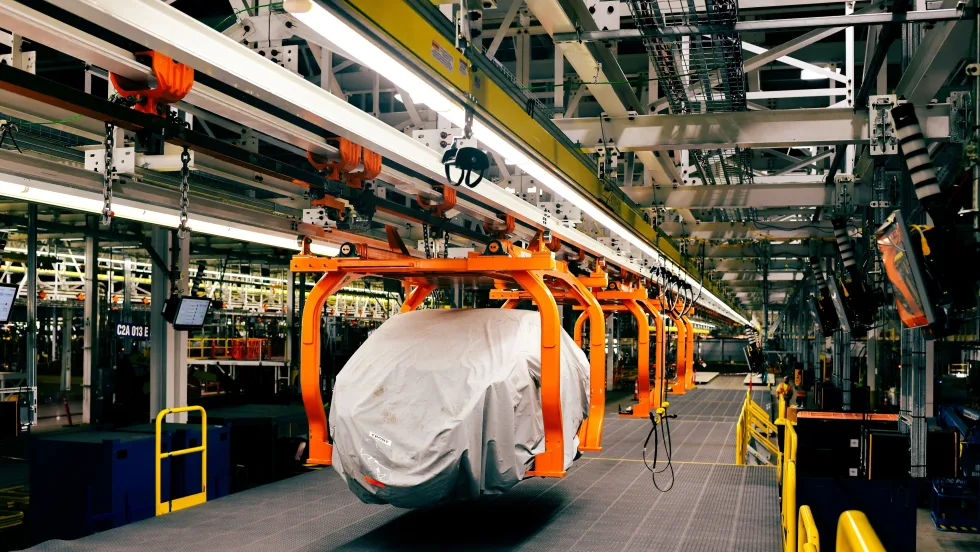
Ford Retools Louisville Plant for Fathom Electric Truck Production
Ford's $2 billion Louisville Assembly Plant overhaul introduces a three-part assembly process for the Fathom midsize electric truck, with production scheduled to begin in 2027.
Read More →
Merchants Fleet Reports 290M EV Miles as Fleets Navigate Changing Electrification Market
From millions in operating savings to hundreds of millions of EV miles, Merchants Fleet’s latest report reveals what’s working and what’s changing in fleet electrification.
Read More →
California District Commits to Electrify 25% of School Bus Fleet by 2028
One of the nation's largest school bus electrification projects to date demonstrates how grants, charging infrastructure, and public-private partnerships can help fleets transition to EVs at scale.
Read More →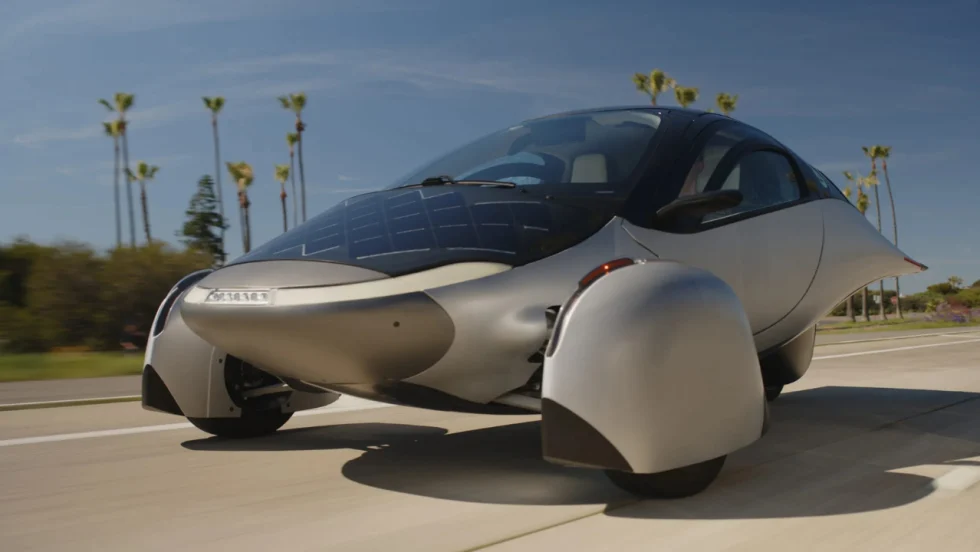
Aptera Orders Bodies and Chassis for Its First 40 Production Vehicles
Aptera Motors Corp. has issued purchase orders for the major structural components of its first 40 vehicles, and body and chassis components are expected to begin arriving in October.
Read More →