


About the Author: David Lewis is the founder and CEO of MoveEV, an AI-powered EV transition company that helps organizations convert fleet and employee-owned gas vehicles to electric and reimburse for charging at home. Dave is an experienced B2B software executive with significant experience systematically creating value through new product offerings, M&A, and transforming tech-enabled services to SaaS.
Top Technology Trends in Fleet Electrification for 2024
Staying on top of the latest developments in fleet electrification can be a full-time job, so here are the five trends to know about.
by David Lewis, MoveEV
December 13, 2023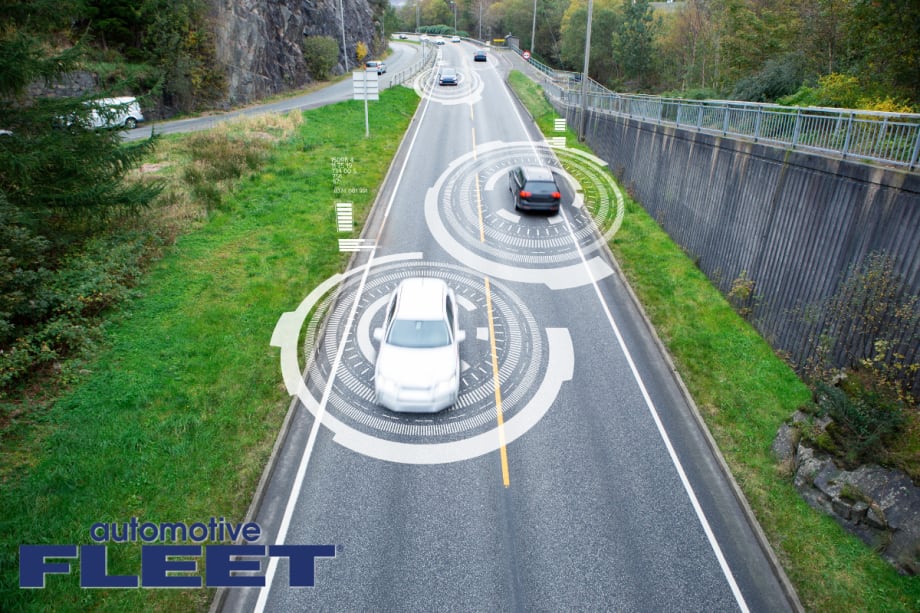
Electrification demands a revamp of fleet management systems in order to manage the volumes of cutting-edge information available to fleet managers.
Photo: Canva
4 min to read
The total percentage of electric vehicle sales in the United States tripled from four to 14% between 2020 and 2022. Adoption continues to grow exponentially. As the EV wave sweeps the country, savvy fleet managers are ramping up their electrification plans. But with the technology advancing at a breakneck pace, staying on top of the latest developments can be a full-time job.
Knowing which of these technologies offer tangible benefits today, rather than distant promises, is crucial. The following are the top trends in fleet electrification for 2024 that forward-thinking fleet managers should be actively integrating into their strategies.
Vehicle-to-Grid (V2G) Technology
Vehicle-to-Grid (V2G) technology allows electric fleet vehicles to communicate with and transfer electricity back to the power grid. Essentially, it turns EVs into mobile energy storage units that can provide electricity to job sites during peak demand times and keep your crew’s electric tools operating at full capacity.
Not every new EV has this capability, but a number of models do, including the GMC Hummer, Ford F-150 Lightning, Mitsubishi Outlander PHEV, Nissan Leaf, and Volvo EX90. The much-anticipated electric Chevy Silverado will also come with V2G capability. As the first commercial iteration of this feature, it’s likely to improve and become standard technology over time. Like other EV benefits, V2G will ultimately drive efficiency and cost savings beyond the vehicle. For now, consider it “cool tech,” but it should not be a top consideration when making vehicle selections.
A New Generation of Fleet Management Tools, from Telematics to OEMs
Electrification demands a revamp of fleet management systems in order to manage the volumes of cutting-edge information available to fleet managers. The latest software solutions from telematics providers and OEMs not only monitor vehicle health and location but also offer new features to optimize operations only available with electric vehicles.
Advanced fleet management tools offer predictive maintenance based on real-time EV diagnostics. Moreover, they can optimize routes by factoring in charging station locations, vehicle charge levels, and even charging times. Such efficiency gains lead directly to cost savings and improved fleet availability. This is an important differentiator and should be considered as part of your overall vehicle selection.
Faster Charging Innovations
Charging technology gets better every year, with ultra-fast chargers now capable of delivering significant charge levels within mere minutes, at a lower cost than ever. Such speed is a boon for fleet managers looking to maintain optimum vehicle availability rates and minimize downtime when vehicles must charge in public.
Beyond swift charging, advancements in battery cooling technologies mean EV batteries can handle frequent fast charging without significant degradation, preserving their lifespan and operational prowess.
To harness the benefits of rapid charging in fleet operations, managers should consider vehicles that have the ability to charge fast and come with a usable network of fast-charging public options that work for their fleet in their operating geographies.
Integrating Renewable Energy Sources
A holistic approach to fleet electrification often goes hand-in-hand with broader sustainability goals. Integrating renewable energy sources directly into fleet operations is a trend gaining momentum.
On-site renewable installations, like solar arrays at fleet depots, can drastically reduce a company’s electricity costs. Moreover, during periods of high renewable energy production, fleet batteries can act as temporary storage, further enhancing grid stability and providing potential revenue streams through grid services.
As new technologies continue to emerge in the renewable technology space, consider investing selectively in those that will help your EV fleet meet its long-term goals.
Home-Based Fleet Charging Solutions
Fleet managers are discovering that a home-charging first approach offers a lower-cost option and faster time to deploy for their electric vehicles. Charging at home eliminates the need for fleet managers to install volumes of costly on-site charging infrastructure, reduces the burden on the electrical grid during peak hours, and offers a decentralized approach to mass EV fleet adoption.
Home charging typically costs 30 to 60 percent less than commercial rates, but requires a reliable method of reimbursing employees for their electrical expenses. This ensures fleets will capitalize on the substantial cost savings, increased employee satisfaction, and fleet uptime. By reducing dependency on a singular charging location, businesses ensure that vehicles are primed and ready at the onset of each workday, enhance driver convenience, and reduce downtime associated with centralized charging.
Summary
The era of fleet electrification isn’t on the horizon; it's here. The challenge for 2024 is choosing the best technology at the forefront of an ever-changing landscape, with a focus on cost savings and practical use cases. By following these emerging trends, savvy fleet managers can outperform their competition and stay ahead of the curve, while also moving their organization towards a greener future.
Originally posted on Automotive Fleet
Subscribe to Our Newsletter
More Electric Vehicles
EV Charging Use Is Outpacing Infrastructure Growth
ChargePoint’s 2026 Charging Forward Report points to rising charger use, higher-powered charging, commercial vehicle electrification, and energy-management technology. Here’s what fleets should know.
Read More →
EV Realty Names Henrik Holland President as Charging Platform Expands
The former Prologis Mobility and Shell executive will help expand EV Realty’s truck charging business and move its power-first infrastructure model into autonomous vehicle depots and other fleet sectors.
Read More →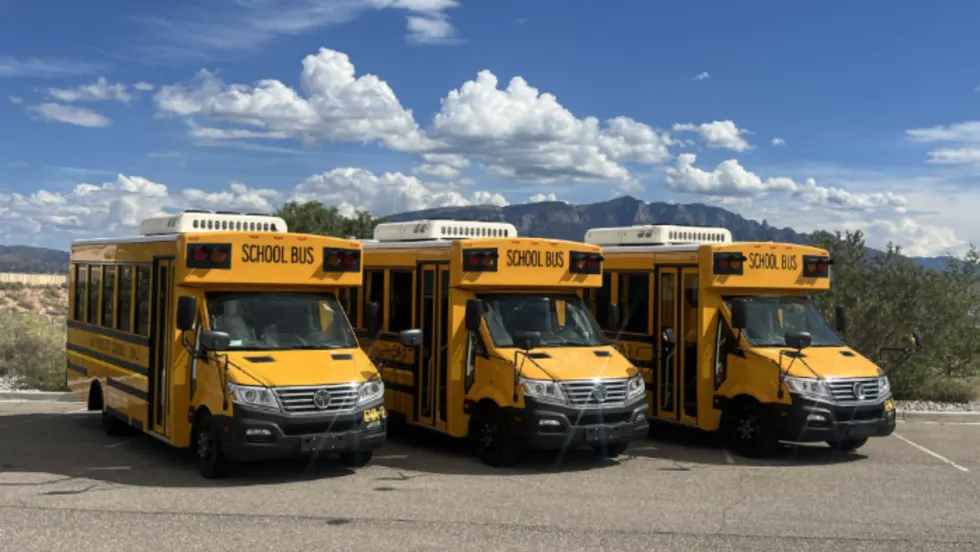
GreenPower Expands New Mexico EV Pilot With Larger Buses, V2G Testing
After logging more than 17,000 electric miles in the first year, New Mexico’s statewide pilot is moving into its second phase with larger vehicles, continued charging evaluations, and more.
Read More →
Can EV-as-a-Service Help Fleets Scale Electrification?
Sustainability Partners CEO Adam Cain explains how matching EVs, charging infrastructure, and duty cycles can help fleets scale electrification.
Read More →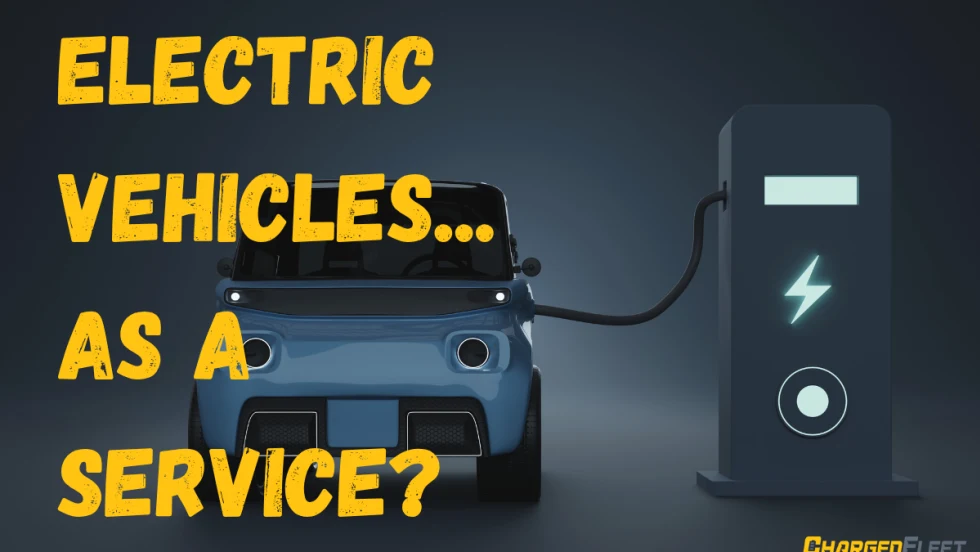
How EV-as-a-Service Is Moving Fleets Beyond Pilots
Adam Cain, president and CEO of Sustainability Partners, explains how EV-as-a-service can help fleets scale deployments by addressing duty-cycle requirements and charging challenges.
Read More →
PowerFlex, The Mobility House Join Forces to Advance Fleet Electrification
Two EV charging providers are joining forces to deliver a broader portfolio of energy management and fleet electrification solutions.
Read More →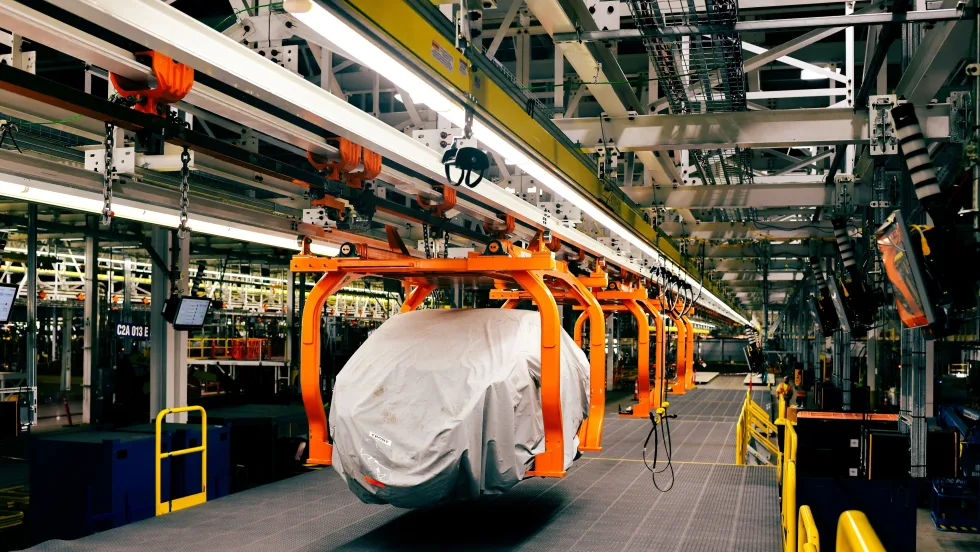
Ford Retools Louisville Plant for Fathom Electric Truck Production
Ford's $2 billion Louisville Assembly Plant overhaul introduces a three-part assembly process for the Fathom midsize electric truck, with production scheduled to begin in 2027.
Read More →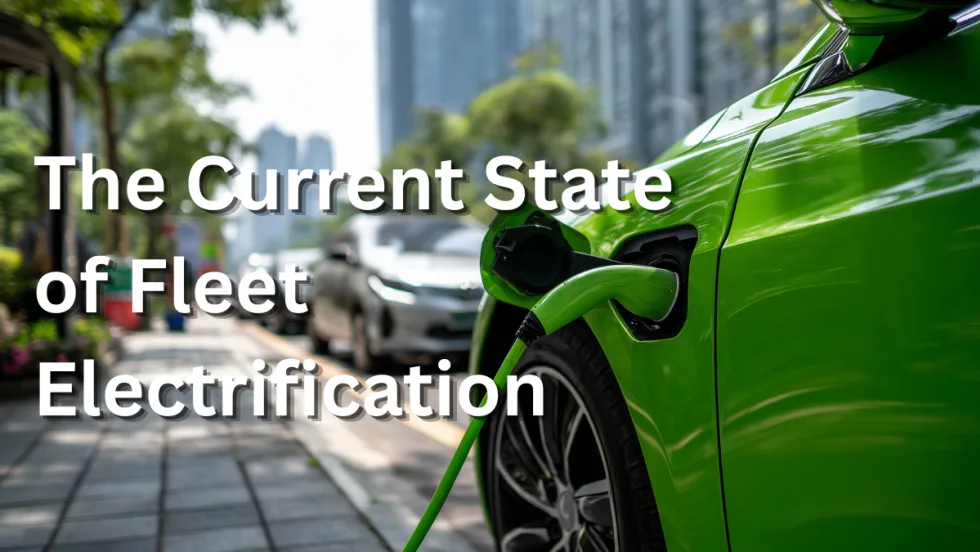
Merchants Fleet Reports 290M EV Miles as Fleets Navigate Changing Electrification Market
From millions in operating savings to hundreds of millions of EV miles, Merchants Fleet’s latest report reveals what’s working and what’s changing in fleet electrification.
Read More →
California District Commits to Electrify 25% of School Bus Fleet by 2028
One of the nation's largest school bus electrification projects to date demonstrates how grants, charging infrastructure, and public-private partnerships can help fleets transition to EVs at scale.
Read More →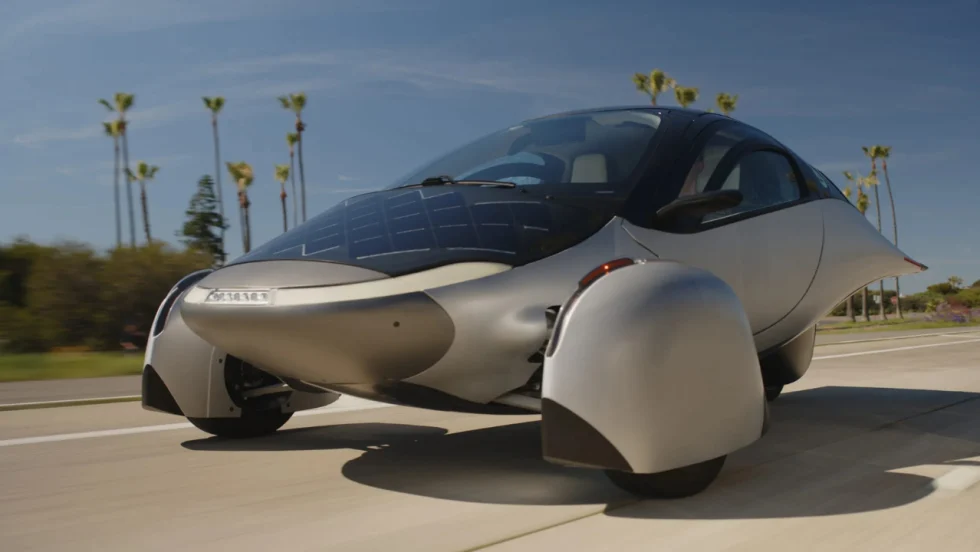
Aptera Orders Bodies and Chassis for Its First 40 Production Vehicles
Aptera Motors Corp. has issued purchase orders for the major structural components of its first 40 vehicles, and body and chassis components are expected to begin arriving in October.
Read More →