


Can the Electric Grid Sustain the EV Revolution?
The more popular electrification policies and EV fleet adoption become, the more of a strain it puts on an outdated electric grid.
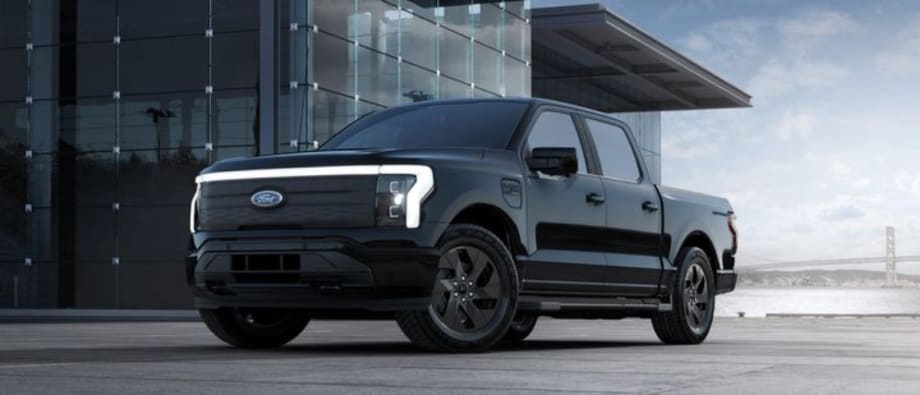
By charging EVs during the first half of the day (midnight to noon), electric vehicles could minimize their impact on the state’s electricity supply and take advantage of more sustainable energy sources.
Photo: Ford
When President Biden announced an ambitious set of EV adoption goals in April, the effort posed an obvious question: how will EV charging interact with the grid, and what can be done to help?
The current energy grid was not designed for vehicles that require electricity for fuel. However, the expected surge in EV demand is proceeding in tandem with the evolution of the energy grid. Automakers and utilities “are now partners until the end of time, whether they like it or not,” Plug In America executive director Joel Levin recently told Utility Dive, adding that decisions made by automakers “have a huge impact on utilities, and vice versa.”
Demand for energy is rising faster than upgrades to the transmission grid have evolved to meet it. The White House estimates that 70% of the nation’s transmission lines are more than 25 years old. Meanwhile, residential electricity use has climbed steadily over the last 25 years from 1.1 to 1.5 trillion kwH, according to the Department of Energy.
McKinsey recently estimated more than 48 million EVs will be on the road by 2030, creating an annual charging demand of up to 230 billion kilowatt hours ― a vast leap from the estimated 11 billion kWh today. Overall, electric vehicles could drive a 38% rise in U.S. electricity consumption by 2050, according to National Renewable Energy Laboratory estimates. How can EV owners responsibly charge their cars without overtaxing the grid?
Thankfully, a nationwide effort is underway to allow EV drivers to maximize the capacity of the existing grid ― and, in some cases, even add to its capacity. Here are a few recent examples:
Oncor Electric Delivery announced a collaboration with Toyota in December focused on vehicle-to-grid pilot technology, which would allow vehicles to flow energy from their battery back onto the electric grid.
In March, Sunverge Energy, a “virtual power plant” platform for utilities and their customers, partnered with Eaton, an EV charging infrastructure platform, to “enable utilities to advance flexible load management, orchestrate, aggregate and value stack grid services providing resiliency, reliability and flexibility to the grid and accelerate decarbonization.”
In April, New York-based Con Edison and Orange & Rockland partnered with an EV charging software company to provide cash incentives to EV drivers who charge their cars in their respective service areas.
In May, California-based Pacific Gas and Electric announced an expanded project that would test the ability of BMW electric vehicles to return excess stored energy from their car batteries back to PG&E’s grid. In theory, the development of V2X (vehicle-to-everything) technology would allow EV batteries to be used for backup generation and other grid services.
Boosting Incentives
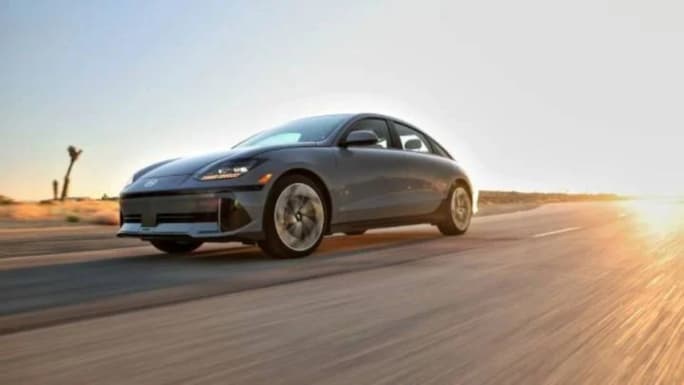
Photo: Hyundai
Regional utility providers such as Con Edison, Orange & Rockland, Southern California Edison, and PG&E are instituting “time of use” incentives (lower electricity rates, rebates, etc.) to encourage EV drivers to charge during off-peak hours, when grid demand is lower. Baltimore Gas & Electric won approval from Maryland state regulators in 2019 to use the metering capabilities within EV chargers for a rebate program that comes with a time-of-use rate structure similar to California’s.
Similar programs have been used in Minnesota, Colorado, Massachusetts, Rhode Island and Connecticut.
The time of charging is important. Research from the Yale School of the Environment analyzed electricity demand in California in Sept. 2022 and showed that in the U.S. state with the most electric vehicles on the road, electricity demand had never been higher.
The research concluded that, by charging EVs during the first half of the day (midnight to noon), electric vehicles could minimize their impact on the state’s electricity supply and take advantage of more sustainable energy sources. Further, by charging their fleet cars at home as opposed to a centralized workplace parking lot, employees can disperse the electricity demand, reducing the possibility of a grid overload.
This lesson isn’t unique to California.
According to Ark Investment Management analyst Sam Korus, if EVs are charged during non-peak hours, the grid can more than accommodate the entire U.S. vehicle fleet today.
Ultimately, several technological and policy-based solutions will need to converge to make sure the grid can handle the increased demand from EV charging. At-home charging is a critical piece of the puzzle, and light-duty fleet owners can help by taking their commuter cars home to charge during off-peak hours.
As studies and pilots show, when given the right mix of incentives and technology, drivers will choose to charge their vehicles when the grid is least stressed. With smart policy and innovations in tech, EVs could potentially help rather than harm our evolving electrical grid.
Originally posted on Automotive Fleet
More Electric Vehicles
EV Charging Use Is Outpacing Infrastructure Growth
ChargePoint’s 2026 Charging Forward Report points to rising charger use, higher-powered charging, commercial vehicle electrification, and energy-management technology. Here’s what fleets should know.
Read More →
EV Realty Names Henrik Holland President as Charging Platform Expands
The former Prologis Mobility and Shell executive will help expand EV Realty’s truck charging business and move its power-first infrastructure model into autonomous vehicle depots and other fleet sectors.
Read More →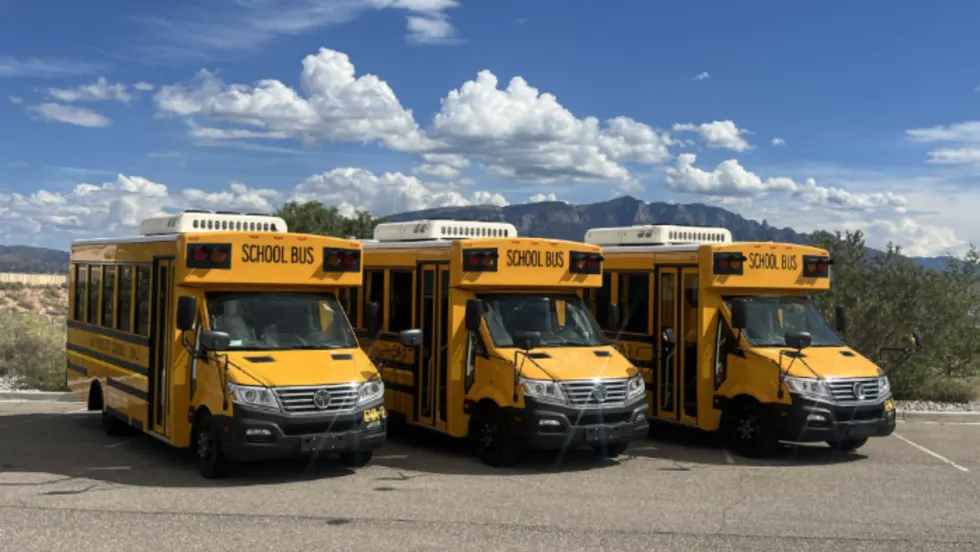
GreenPower Expands New Mexico EV Pilot With Larger Buses, V2G Testing
After logging more than 17,000 electric miles in the first year, New Mexico’s statewide pilot is moving into its second phase with larger vehicles, continued charging evaluations, and more.
Read More →
Can EV-as-a-Service Help Fleets Scale Electrification?
Sustainability Partners CEO Adam Cain explains how matching EVs, charging infrastructure, and duty cycles can help fleets scale electrification.
Read More →
How EV-as-a-Service Is Moving Fleets Beyond Pilots
Adam Cain, president and CEO of Sustainability Partners, explains how EV-as-a-service can help fleets scale deployments by addressing duty-cycle requirements and charging challenges.
Read More →
PowerFlex, The Mobility House Join Forces to Advance Fleet Electrification
Two EV charging providers are joining forces to deliver a broader portfolio of energy management and fleet electrification solutions.
Read More →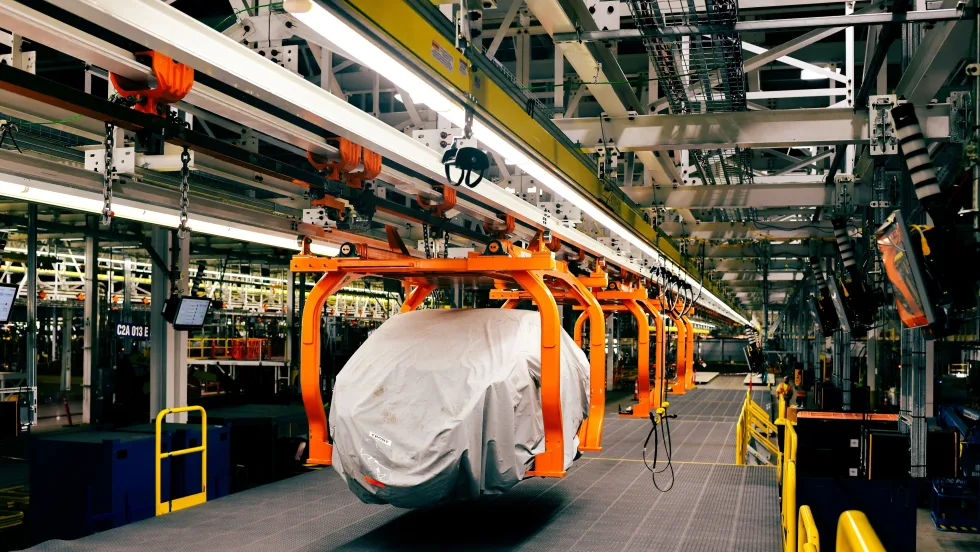
Ford Retools Louisville Plant for Fathom Electric Truck Production
Ford's $2 billion Louisville Assembly Plant overhaul introduces a three-part assembly process for the Fathom midsize electric truck, with production scheduled to begin in 2027.
Read More →
Merchants Fleet Reports 290M EV Miles as Fleets Navigate Changing Electrification Market
From millions in operating savings to hundreds of millions of EV miles, Merchants Fleet’s latest report reveals what’s working and what’s changing in fleet electrification.
Read More →
California District Commits to Electrify 25% of School Bus Fleet by 2028
One of the nation's largest school bus electrification projects to date demonstrates how grants, charging infrastructure, and public-private partnerships can help fleets transition to EVs at scale.
Read More →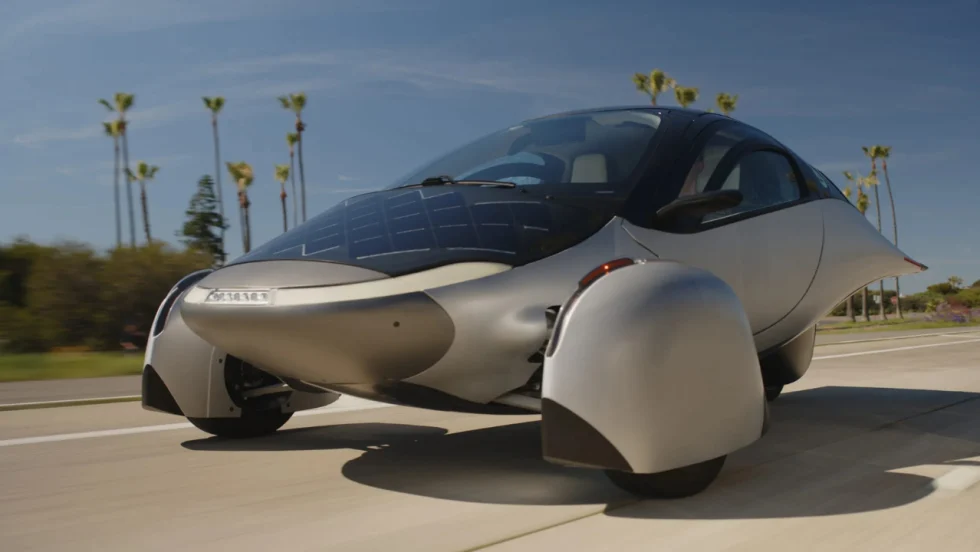
Aptera Orders Bodies and Chassis for Its First 40 Production Vehicles
Aptera Motors Corp. has issued purchase orders for the major structural components of its first 40 vehicles, and body and chassis components are expected to begin arriving in October.
Read More →