


Study Reveals Concerns Hindering EV Adoption by Women
Charging safety seemed to be a key component for the 1,000 women and men surveyed who were considering buying an EV.

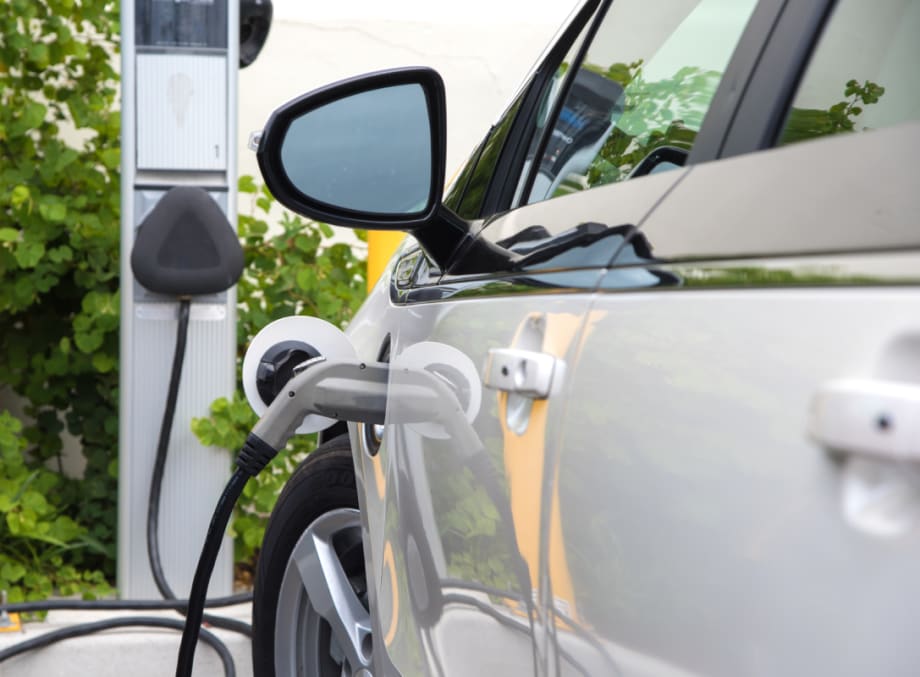
In Canada, men account for 74% of EV owners, and in the US, 72% of EV owners are men, indicating there are barriers for women in embracing EVs.
Photo: Geotab
Geotab released new research on Oct. 24 which indicates that charging station safety is a high consideration among women, and could be hindering electric vehicle (EV) adoption in Canada and the United States (U.S.).
The study surveyed more than 1,000 men and women in Canada and the U.S. respectively. Their findings indicate safety concerns such as well-lit, less remote charging stations, may be a key consideration in EV adoption in both Canada and the U.S. Of the survey respondents, 46% of Canadian women and 33% of U.S. women are considering an EV as their next vehicle, while actual EV ownership statistics reveal a stark disparity.
In Canada, men account for 74% of EV owners, and in the U.S., 72% of EV owners are men, indicating there are barriers for women in embracing EVs.
Safety Concerns Explored
The study established a compelling correlation between safety concerns surrounding charging location and EV ownership, revealing notable gaps between intent to purchase and actual adoption.
Canadian Women’s Concerns:
30% of women surveyed expressed concerns about the overall safety of EV charging locations.
Nearly half of the women surveyed noted easily accessible, well-lit charging stations in less remote areas would help convince them to purchase an EV.
20% of women surveyed are also more likely to consider increased security around charging stations as a convincing factor for their next vehicle purchase.
U.S. Women’s Concerns:
43% of women surveyed have safety concerns regarding EV charging stations.
Approximately 40% of women surveyed noted the importance of accessible, well-lit charging stations in less remote areas would influence their EV purchase decision.
21% of women surveyed consider increased security around charging stations as a factor that could influence their next vehicle purchase.
“The lack of consistency in charging infrastructure along with concerns for personal safety may help explain in part, why women make up a minority of electric vehicle owners,” said VP of Connected Car & Platform Solutions at Geotab, Sherry Calkins in a recent news release. “Safety is also one of the most cited concerns of women working in the commercial vehicle industry, including trucking, especially when it comes to truck stops and rest areas. As we strive to attract more women to the industry, at a time when commercial fleets are moving towards EV adoption, it is important to consider these issues to avoid creating new barriers in the industry.”
Youthful Enthusiasm for EVs
The research also indicates that younger age groups (18-34) exhibit the most interest in EV ownership, with 53% of U.S. and 55% of Canadian respondents in this age group expressing a strong desire to own an EV.
However, factors such as the cost of EVs may be limiting actual adoption, since Canadian EV drivers tend to be older with at least 50% of Canadian EV drivers aged 55 years or older and the average age of a Canadian EV driver being 51.3 years. The same is true in the U.S., where people aged 55 and older make up 53.6% of EV owners.
Originally posted on Automotive Fleet
More Electric Vehicles
EV Charging Use Is Outpacing Infrastructure Growth
ChargePoint’s 2026 Charging Forward Report points to rising charger use, higher-powered charging, commercial vehicle electrification, and energy-management technology. Here’s what fleets should know.
Read More →
EV Realty Names Henrik Holland President as Charging Platform Expands
The former Prologis Mobility and Shell executive will help expand EV Realty’s truck charging business and move its power-first infrastructure model into autonomous vehicle depots and other fleet sectors.
Read More →
GreenPower Expands New Mexico EV Pilot With Larger Buses, V2G Testing
After logging more than 17,000 electric miles in the first year, New Mexico’s statewide pilot is moving into its second phase with larger vehicles, continued charging evaluations, and more.
Read More →
Can EV-as-a-Service Help Fleets Scale Electrification?
Sustainability Partners CEO Adam Cain explains how matching EVs, charging infrastructure, and duty cycles can help fleets scale electrification.
Read More →
How EV-as-a-Service Is Moving Fleets Beyond Pilots
Adam Cain, president and CEO of Sustainability Partners, explains how EV-as-a-service can help fleets scale deployments by addressing duty-cycle requirements and charging challenges.
Read More →
PowerFlex, The Mobility House Join Forces to Advance Fleet Electrification
Two EV charging providers are joining forces to deliver a broader portfolio of energy management and fleet electrification solutions.
Read More →
Ford Retools Louisville Plant for Fathom Electric Truck Production
Ford's $2 billion Louisville Assembly Plant overhaul introduces a three-part assembly process for the Fathom midsize electric truck, with production scheduled to begin in 2027.
Read More →
Merchants Fleet Reports 290M EV Miles as Fleets Navigate Changing Electrification Market
From millions in operating savings to hundreds of millions of EV miles, Merchants Fleet’s latest report reveals what’s working and what’s changing in fleet electrification.
Read More →
California District Commits to Electrify 25% of School Bus Fleet by 2028
One of the nation's largest school bus electrification projects to date demonstrates how grants, charging infrastructure, and public-private partnerships can help fleets transition to EVs at scale.
Read More →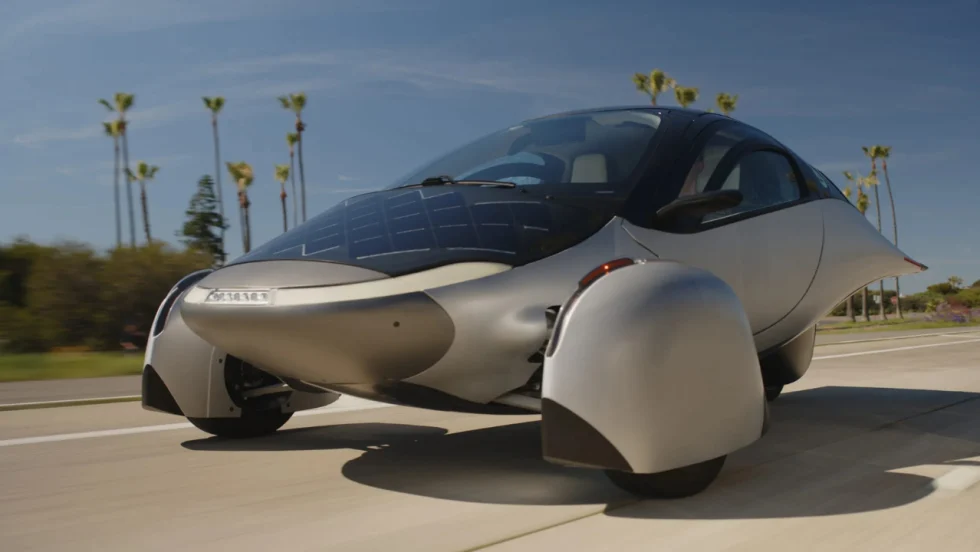
Aptera Orders Bodies and Chassis for Its First 40 Production Vehicles
Aptera Motors Corp. has issued purchase orders for the major structural components of its first 40 vehicles, and body and chassis components are expected to begin arriving in October.
Read More →