


For all the best practices to electrifying your fleet, check out our Electric Vehicle Buyer's Guide
Are EVs Cost-Effective? Calculating Total Cost of Ownership
Learn how calculating total cost of ownership for electric vehicles is vital to the success of your business and determining if EVs are a cost-effective replacement.
by Ronnie Wendt
September 17, 2021
The EVSA and TCO give fleet managers a clear picture of operational costs if they add EVs.
2 min to read

The EVSA and TCO give fleet managers a clear picture of operational costs if they add EVs.
As you consider transitioning your fleet to electric vehicles (EVs)? If so, it's essential to calculate the total cost of ownership (TCO). TCO considers fuel costs, fuel efficiency, infrastructure costs, maintenance costs, sales tax, tax credits, and purchase incentives. Understanding TCO is vital to the success of your business, and determining TCO considers if EVs are a cost-effective replacement.
How to Calculate Total Cost of Ownership for EVs
The best way to calculate TCO is to consider two scenarios and make comparisons. In this example, compare replacing the vehicle with an EV to swapping it with a diesel- or gas-powered vehicle. If the EVs TCO is lower than that of a non-EV, it makes sense for the operation. This calculation involves a side-by-side comparison of:
Vehicle acquisition costs (will it be a purchase or a lease?).
Maintenance costs.
Fuel & electricity costs.
EV incentives.
Tolls for non-EVs or low emission zone charges.
Vehicle registration & taxes.
Additional factors to consider include if EV passenger cars (not including Tesla) hold their value. Overall, EVs expect around a 40 percent residual value decrease on the new EV after three years and near 30 percent by year four.
Infrastructure costs also remain a consideration. Fleets can pay up to $250,000 for infrastructure, making it crucial to consider when looking at TCO.
Fortunately, the electric vehicle sustainability assessment (EVSA) and TCO give fleet managers a clear picture of operational costs if they add EVs. Upfront costs tend to be higher for EVs. However, once fleets examine an EV's total costs over its lifetime, EVs usually cost less.
By calculating TCO, you set up your company for success. Knowing TCO ensures you understand the underlying financial aspects that go into implementing EVs across fleet operations.
Originally posted on Automotive Fleet
Subscribe to Our Newsletter
More Electric Vehicles
EV Charging Use Is Outpacing Infrastructure Growth
ChargePoint’s 2026 Charging Forward Report points to rising charger use, higher-powered charging, commercial vehicle electrification, and energy-management technology. Here’s what fleets should know.
Read More →
EV Realty Names Henrik Holland President as Charging Platform Expands
The former Prologis Mobility and Shell executive will help expand EV Realty’s truck charging business and move its power-first infrastructure model into autonomous vehicle depots and other fleet sectors.
Read More →
GreenPower Expands New Mexico EV Pilot With Larger Buses, V2G Testing
After logging more than 17,000 electric miles in the first year, New Mexico’s statewide pilot is moving into its second phase with larger vehicles, continued charging evaluations, and more.
Read More →
Can EV-as-a-Service Help Fleets Scale Electrification?
Sustainability Partners CEO Adam Cain explains how matching EVs, charging infrastructure, and duty cycles can help fleets scale electrification.
Read More →
How EV-as-a-Service Is Moving Fleets Beyond Pilots
Adam Cain, president and CEO of Sustainability Partners, explains how EV-as-a-service can help fleets scale deployments by addressing duty-cycle requirements and charging challenges.
Read More →
PowerFlex, The Mobility House Join Forces to Advance Fleet Electrification
Two EV charging providers are joining forces to deliver a broader portfolio of energy management and fleet electrification solutions.
Read More →
Ford Retools Louisville Plant for Fathom Electric Truck Production
Ford's $2 billion Louisville Assembly Plant overhaul introduces a three-part assembly process for the Fathom midsize electric truck, with production scheduled to begin in 2027.
Read More →
Merchants Fleet Reports 290M EV Miles as Fleets Navigate Changing Electrification Market
From millions in operating savings to hundreds of millions of EV miles, Merchants Fleet’s latest report reveals what’s working and what’s changing in fleet electrification.
Read More →
California District Commits to Electrify 25% of School Bus Fleet by 2028
One of the nation's largest school bus electrification projects to date demonstrates how grants, charging infrastructure, and public-private partnerships can help fleets transition to EVs at scale.
Read More →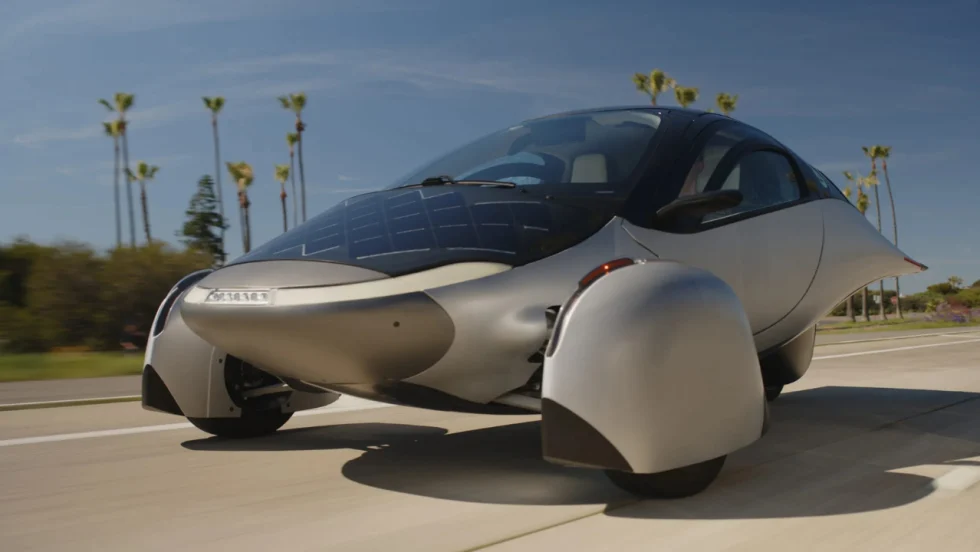
Aptera Orders Bodies and Chassis for Its First 40 Production Vehicles
Aptera Motors Corp. has issued purchase orders for the major structural components of its first 40 vehicles, and body and chassis components are expected to begin arriving in October.
Read More →